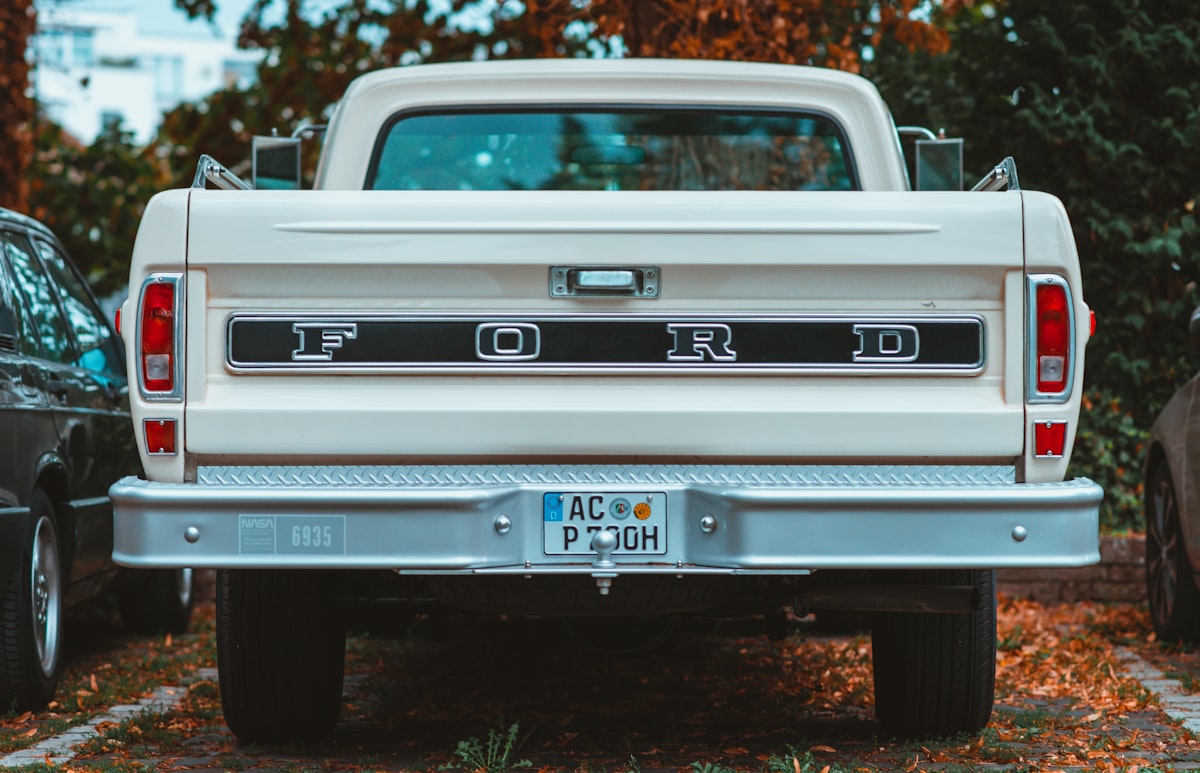
Junkyard Find: 1985 Nissan Sentra Deluxe Wagon
A well-kept 1985 Nissan Sentra Deluxe wagon, with 225,000 miles, ends up in a Colorado junkyard after a forklift mishap.
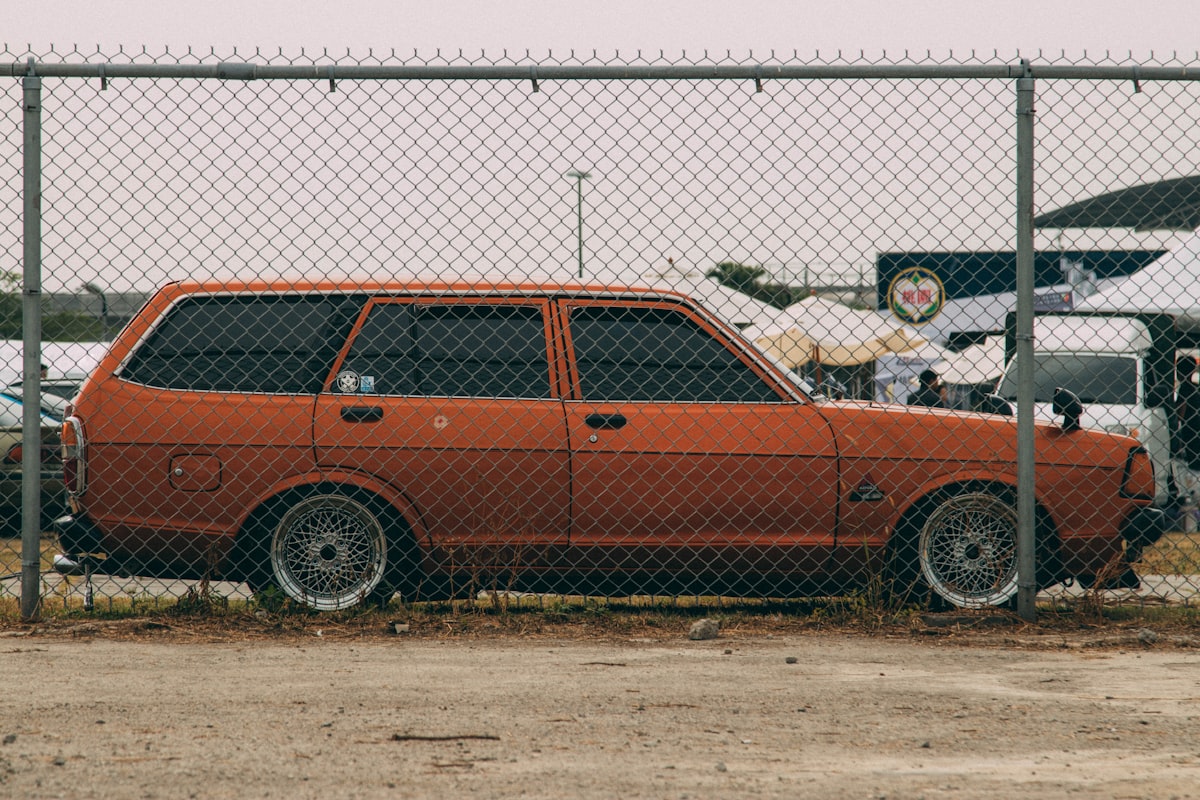
1985 Nissan Sentra Deluxe Wagon: A Faithful Econo-Wagon’s Final Resting Place
The 1985 Nissan Sentra Deluxe Wagon rarely captures the imagination of collectors. But this particular example, found in a yard just south of Denver, tells a story of remarkable ownership discipline, one where ordinary choices and quiet consistency built something far more compelling than any factory rarity. Someone bought the cheapest wagon Nissan offered that year, loaded it with options, and then drove it for over four decades while keeping it in near showroom condition. That's a rare discipline. The result is a time capsule that met an unfortunate end involving a forklift and a tow yard, and it's a shame we can't see it roll again. So the car's story ends with a crash, not a curve.
The Surprise Behind the Odometer
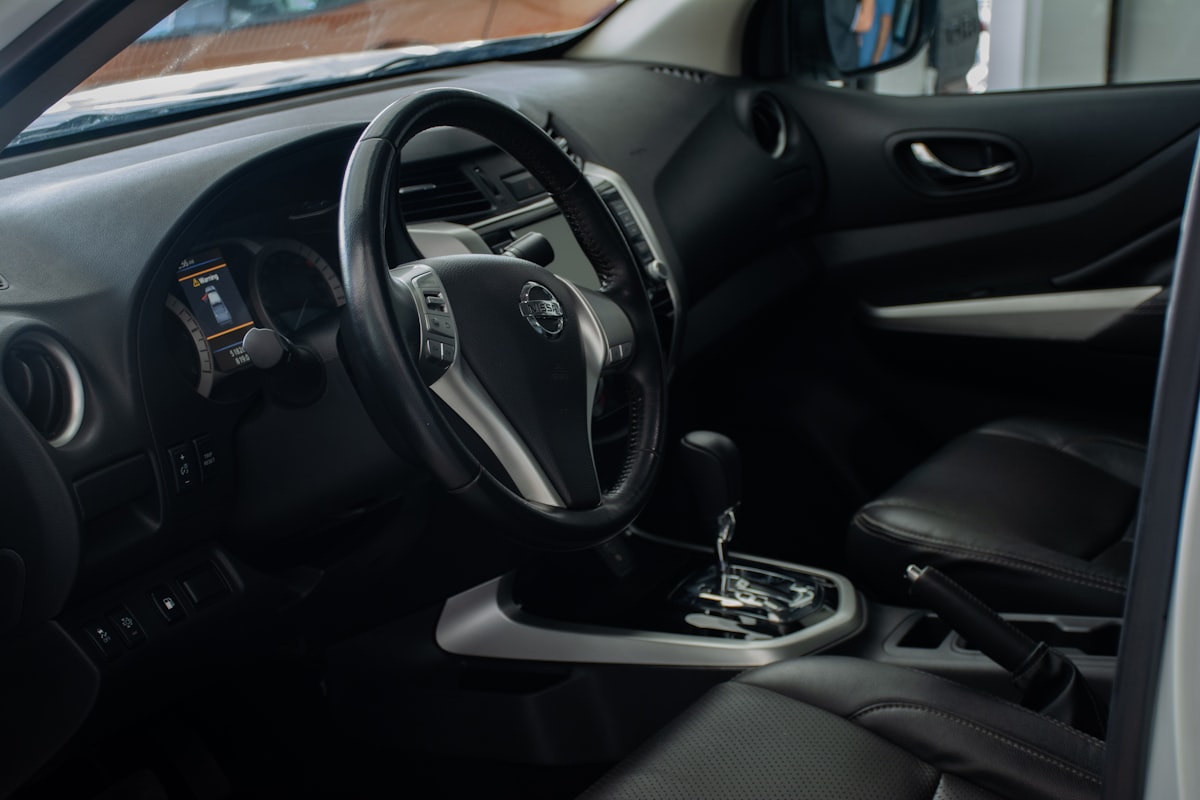
At first glance, the interior looks almost new. It's not. The driver's seat shows some wear, and the door panel carries a bit of grime, but everything else presents like a car with modest mileage. Then the odometer reveals something far more interesting, and suddenly this Sentra's story shifts entirely. This Sentra has traveled close to 5,500 miles per year over its 41 years on the road, a figure that works out to roughly 5,500 miles annually and suggests regular use rather than obsessive preservation. So that's the real tale.
Twenty-five years ago, the clock showed 143,000 miles. Eight years before that, it had reached 88,000. The ownership pattern points to someone who drove this wagon steadily, maintained it well, and never felt the need to replace it with something newer. In an era when most first-generation Sentras have long since vanished into the crusher, this one survived until a careless moment with heavy equipment ended its run.
The Forklift That Ended Everything
The damage tells its own story. But before the car even reached the wrecking yard, someone had lifted it with a forklift, driving one tine directly under the driver’s sun visor while the other punched straight through the rear door glass, leaving a scar that can't be explained away. The author knows the employees at the Colorado Auto Parts yard personally. He insists they wouldn't have caused such damage. So that points to a tow yard operator who either didn't care or didn't bother to check before hoisting the wagon, and that's a costly oversight. It's a reckless move.
Before that assault, the body was in decent shape, though it carried some very thick body filler that likely dates back to the Reagan administration. The repair work was rough but effective, keeping rust at bay for decades. The 1985 Nissan Sentra Deluxe Wagon is a first-generation Sentra, built in Kanagawa Prefecture, Japan. U.S. production in Tennessee started just a few months after this car rolled off the line.
A Sunny Bloodline With Deep Roots
The Sentra replaced the Datsun 310 in the American market, and since it belonged to the Sunny family, it stands as a direct descendant of the Datsun B210 that sold so well during the 1970s, a lineage that carries real weight. Some early examples wore Datsun badges before the “The Name Is Nissan” changeover in 1984, but this car shows Nissan branding throughout, so there's no confusion about its heritage there. But the Japanese domestic market Sunny had some fascinating variants that never crossed the Pacific, which adds a layer of intrigue for those who follow such things, even if it's a quiet footnote in the broader story. It's a quiet mystery.
During the 1982-1986 first generation, the Sentra was Nissan’s cheapest U.S.-market vehicle. In 1985, the base two-door sedan started at $5,499, which translates to $17,405 in 2026 dollars. The wagon sat near the top of the Sentra lineup, second only to the sporty XE hatchback coupe. This particular Deluxe model with a manual transmission would have carried an MSRP of $7,349, or $23,260 after inflation.
Options That Tell a Story
The original buyer of this car didn’t hold back on extras. Air conditioning cost an additional $645 in 1985, about $2,041 today, and not many base Sentra buyers would have splurged on refrigerated air. But this car also has a separate cassette deck, a rare option whose cost doesn’t appear in any 1985 price guides. That’s a find. The AM/FM radio came standard on the Deluxe wagon, a point that would have caught the attention of Civic and Tercel shoppers, so it’s easy to see why the author recalls hunting for such standalone units in junkyards during the late 1980s, when they were as valuable as gold for upgrading cheap hoopties.
- The only major option missing appears to be the automatic transmission
- This car retains its manual gearbox, which was standard equipment
- The diesel sedan was the only 1985 Sentra with a four-speed manual as the base transmission
Under the hood sits an SOHC 1.6-liter four-cylinder engine rated at 69 horsepower and 93 lb-ft of torque. That’s not much by modern standards. But it was adequate for the wagon’s intended purpose, which was hauling people and cargo efficiently without breaking the bank, a task it handled with unglamorous honesty and a clear sense of its own limits. So don’t expect thrills. It’s fine.
Competition Was Fierce in 1985
Subaru's DL wagon cost $7,334, while the Toyota Tercel wagon started at $6,918, and the Honda Civic Wagovan was priced at $7,195, though those numbers all reflect front-wheel-drive versions rather than the more famous four-wheel-drive variants. But hindsight changes the picture. Looking back, the author suggests the Wagovan might have been the best deal of the bunch, and it's hard to argue with that logic. So there you have it.
Enthusiasts don’t care about first-gen Sentras and a high-mile 41-year-old non-truck with too many pedals isn’t sought-after transportation these days.
A Rare Survival Story
What makes this find remarkable isn’t the car itself. It's the fact that it survived at all, when most first-generation Sentras met the crusher decades ago, victims of rust, neglect, or simply being worth less than the cost of repairs. They're gone now, every last one of them. But this one had a caretaker who kept it roadworthy for 41 years, through multiple owners and countless miles, and that quiet devotion shows in every detail, from the body filler from the 1980s that held up to the interior that stayed clean and the mechanicals that kept running. It's a survivor.
Could this wagon have been rescued before the forklift incident? Probably not. The market for first-generation Sentras barely exists, and a high-mileage, 41-year-old wagon with a manual transmission doesn’t attract serious collectors.
The next time you see an old econo-wagon in a junkyard, take a closer look. You might find a story worth telling, even if the car itself has seen better days, and sometimes those stories are the ones that stick with you long after the rust and dust have settled. This 1985 Nissan Sentra Deluxe Wagon had one. But now its final chapter is written in a Colorado wrecking yard, where parts hunters can pick through what remains. It's a quiet ending. So don't walk past too quickly.
Frequently Asked Questions
What model of Nissan Sentra was found in a junkyard south of Denver, and what was its condition?
The article describes a 1985 Nissan Sentra Deluxe Wagon found in a junkyard south of Denver. Its condition was nearly showroom-quality inside, but it had damage from a forklift incident and some thick body filler from the 1980s.
How many miles had the 1985 Nissan Sentra Deluxe Wagon traveled, and what does that indicate about its use?
The wagon had traveled close to 5,500 miles per year over its 41 years, totaling roughly 5,500 miles annually. This suggests regular use rather than obsessive preservation, with consistent driving and maintenance.
Why did the 1985 Nissan Sentra Deluxe Wagon end up in the wrecking yard?
The wagon ended up in the wrecking yard after a careless moment with heavy equipment, specifically a forklift, caused damage. The author notes that a tow yard operator likely lifted it incorrectly, driving tines through the sun visor and rear door glass, leading to its final resting place.
What was the original price of the 1985 Nissan Sentra Deluxe Wagon, and what options did it include?
The Deluxe wagon with a manual transmission had an MSRP of $7,349, or $23,260 after inflation. It included air conditioning as an extra cost of $645 and a separate cassette deck, which was a rare option.
Who is credited with keeping the 1985 Nissan Sentra Deluxe Wagon roadworthy for 41 years?
The article credits a caretaker who kept the wagon roadworthy for 41 years through multiple owners and countless miles. This quiet devotion is evident in the interior cleanliness and mechanical reliability, showing the original buyer's discipline in maintaining it.

Sebastian Wolf reports on the car industry, from performance machines to the engineering that powers them. He is fascinated by how manufacturers balance tradition with the rapid move to electrification.
💬 Comments (0)
No comments yet. Be the first!