I Saw the New Volkswagen ID.Polo at IFA Berlin
I spotted the new Volkswagen ID.Polo at IFA Berlin, showing off an attractive design made for tight European roads.
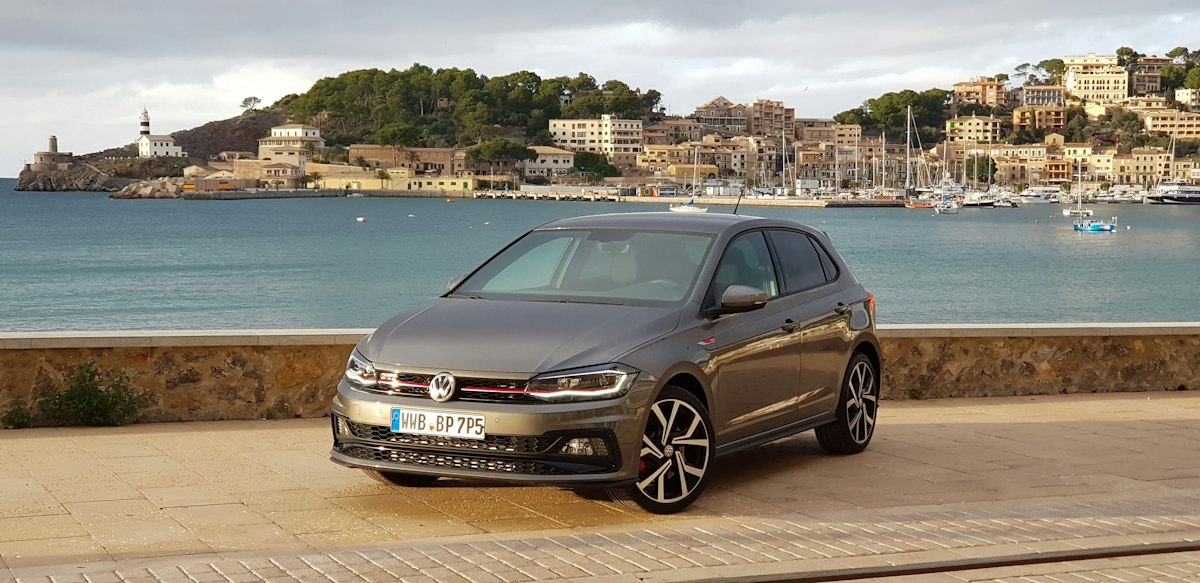
The Volkswagen ID.Polo made a quiet but highly anticipated appearance at the IFA Berlin exhibition, signaling a shift in how the automotive giant approaches the electric vehicle market in Europe. While many manufacturers continue to push larger, heavy crossovers into the market, this compact model marks a deliberate return to the design heritage that built the brand. The vehicle represents a practical response to the unique driving conditions of European cities, where narrow streets and tight parking spaces make massive SUVs highly impractical.
The exhibition floor in Berlin showed clean technology solutions in many forms. Sustainability isn't one single, uniform definition anymore. Visitors saw appliances built with low-carbon materials, and they saw clever home heating alternatives too. But the automotive sector, sitting right in the middle of this shifting landscape, provided some of the most talked-about highlights of the whole event. The new compact electric hatchback was there. It showed that the transition to electric mobility is entering a more mature, practical phase focused on daily usability, and that's a shift you can't ignore.
A Return to Design Roots
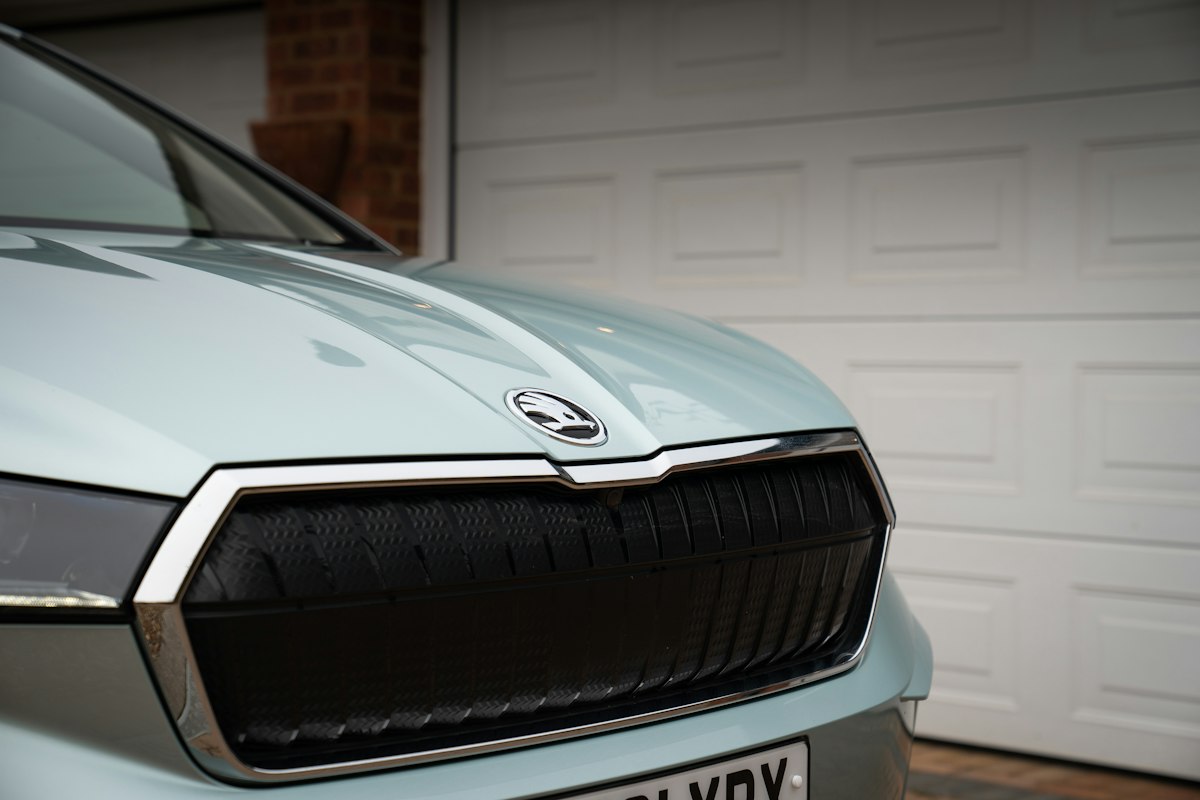
The Volkswagen ID.Polo stood out in Berlin by embracing a familiar aesthetic. Rather than chasing aggressive, futuristic shapes that alienate traditional buyers, the vehicle returns to the clean, functional design language that made its fossil-fuel predecessor a global staple. It looked appealing without trying to reinvent the wheel. The exterior lines feel recognizable, offering a sense of stability and continuity in an industry that often prioritizes novelty over utility.
This design direction is a deliberate choice. By sticking to a classic hatchback silhouette, the vehicle avoids the bloated proportions of modern electric crossovers. It is compact. It is straightforward. This approach appeals directly to drivers who want an electric vehicle that behaves and looks like a normal car, rather than a rolling technology showcase. The focus is entirely on efficiency of space and ease of use.
Navigating Tight European Streets
While the larger ID.Cross crossover was also on display to capture the competitive family vehicle segment, the smaller hatchback is positioned to solve a much more immediate problem. European infrastructure was not built for massive vehicles. Historic city centers, narrow alleyways, and compact parking garages require agile machinery.
The Urban Maneuverability Advantage
The hatchback's compact footprint gives it a distinct edge in urban environments. Drivers in cities like Berlin, Paris, or Rome face daily struggles with parking and navigation, and those struggles, which never seem to end, make larger crossovers a genuine liability for anyone who just wants to get across town. It's a smaller footprint. And that means the vehicle can navigate tight corners and fit into curbside spaces that larger vehicles must pass by.
Licensing Smaller Mobility Solutions
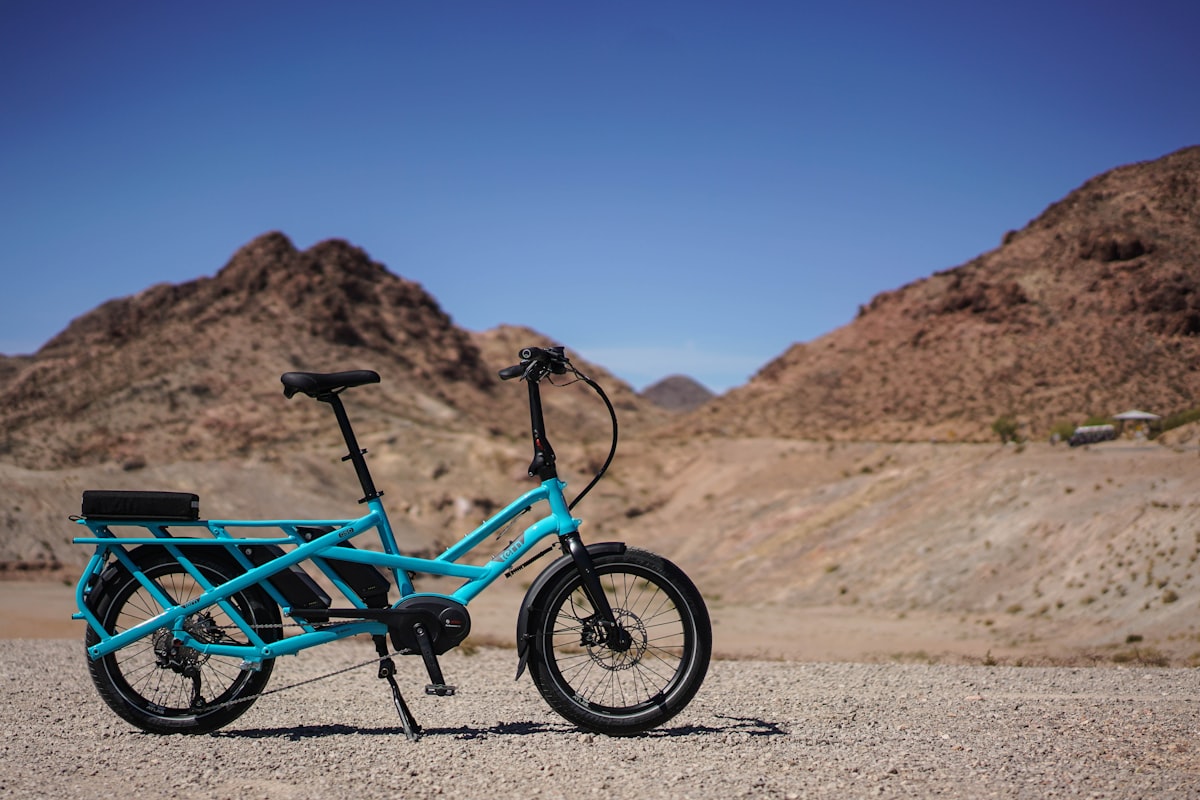
Volkswagen didn't stop at compact cars. It went further. The company also licensed its brand to an e-bike, which was available for test rides at the event, and this decision shows an understanding that modern urban transit requires a mix of different vehicle sizes, from small hatchbacks to two-wheeled electric options. And it's clear they're thinking beyond just one type of vehicle.
Diverse Sustainability on Display
The automotive updates sat alongside a massive wave of home and appliance innovations. Sustainability isn't one isolated goal. It's the theme. But companies are finding varied ways to reduce environmental impact, and they're doing it across a sprawling map of choices that stretch from the factory floor to the moment a product finally wears out. Some brands focused heavily on what happens to products at the end of their lifecycles. Others looked at how they're manufactured in the first place. We've got no single answer here.
- Bosch showcased its Green Collection, which utilizes production materials that generate up to 50% less carbon dioxide.
- Ferre dedicated portion of its exhibition space to showcasing packaging made from recycled materials.
- Gorenje focused on sustainable manufacturing at its factory in Slovenia, improving the performance of electric appliances to make them more appealing than gas alternatives.
- Midea and Chigo transitioned their cooling systems to R290 propane refrigerant, which is much friendlier to the environment than traditional chemicals.
This broader context explains why a simpler electric car is so important right now. Consumers want practical ways to cut their carbon footprint. They're not rewriting their routines. And a compact electric hatchback fits this philosophy perfectly, because it offers a straightforward transition to electric driving that doesn't demand people change everything about how they live, work, or get around each day.
The Repair and Material Revolution
Keeping existing hardware running. That's another major theme that emerged alongside the vehicle displays, and it's one that attendees couldn't ignore. A company called Repartly caught their attention by offering electronics and appliance repair services directly within Germany, which makes repairs faster and cheaper while keeping shipping emissions to a minimum. But here's the critical point in the clean technology discussion. The greenest vehicle or appliance is often the one that has already been built.
"One of the main ways they encourage sustainability is by improving the performance of electrified options, including high-output induction cooktops and electric pizza ovens.""
This quote comes from a product representative at Gorenje. Gorenje is the fourth largest appliance manufacturer in Europe. It highlights a shared philosophy across industries. Whether designing a kitchen range or a compact electric car, the key to widespread adoption is making the electrified version perform so well that consumers don't feel they're making a sacrifice. The new electric hatchback follows this exact blueprint. It offers traditional utility in a modern package. And it's a philosophy we've seen before.
A Practical Path Forward
The event proved one thing. There's no single solution to environmental challenges. From major automotive manufacturers to regional appliance makers, companies are choosing different paths, and they're doing it in ways that reflect their own priorities, their own markets, and their own sense of what it takes to make an impact. The diversity of these approaches gives consumers more ways to participate in clean technology through their everyday purchases. So we've got options. But it's not one answer.
The new electric hatchback? A highly realistic option for city dwellers. By focusing on compact dimensions, familiar design, and urban agility, the vehicle addresses the actual needs of European drivers, and it shows that the future of clean transportation doesn't have to be complicated to be effective. It's simple. And it works.
Frequently Asked Questions
What did the Volkswagen ID.Polo's appearance at IFA Berlin signal about the company's approach to the electric vehicle market?
The Volkswagen ID.Polo's appearance at IFA Berlin signaled a shift in how the automotive giant approaches the electric vehicle market in Europe. It marked a deliberate return to the design heritage that built the brand, rather than pushing larger, heavy crossovers. This shows the transition to electric mobility is entering a more mature, practical phase focused on daily usability.
Why does the Volkswagen ID.Polo's compact size make it better suited to European cities than larger crossovers?
European infrastructure was not built for massive vehicles, as historic city centers, narrow alleyways, and compact parking garages require agile machinery. The hatchback's compact footprint lets it navigate tight corners and fit into curbside spaces that larger vehicles must pass by. Drivers in cities like Berlin, Paris, or Rome face daily struggles with parking and navigation, making larger crossovers a genuine liability.
How does the Volkswagen ID.Polo's design differ from modern electric crossovers, and what buyers does it target?
Rather than chasing aggressive, futuristic shapes, the vehicle returns to the clean, functional design language that made its fossil-fuel predecessor a global staple, sticking to a classic hatchback silhouette. It avoids the bloated proportions of modern electric crossovers and focuses on efficiency of space and ease of use. This appeals directly to drivers who want an electric vehicle that behaves and looks like a normal car, rather than a rolling technology showcase.
Who licensed its brand to an e-bike available for test rides at the event, and what does this decision demonstrate?
Volkswagen licensed its brand to an e-bike, which was available for test rides at the event. This decision shows an understanding that modern urban transit requires a mix of different vehicle sizes, from small hatchbacks to two-wheeled electric options. It's clear they're thinking beyond just one type of vehicle.
What broader sustainability philosophies were on display at IFA Berlin alongside the automotive updates?
Sustainability isn't one isolated goal but the theme, with companies finding varied ways to reduce environmental impact, from the factory floor to the moment a product finally wears out. Some brands focused on what happens to products at the end of their lifecycles, while others looked at how they're manufactured in the first place. For example, Bosch showcased its Green Collection using production materials that generate up to 50% less carbon dioxide, and Midea and Chigo transitioned their cooling systems to R290 propane refrigerant.

Sebastian Wolf reports on the car industry, from performance machines to the engineering that powers them. He is fascinated by how manufacturers balance tradition with the rapid move to electrification.
💬 Comments (0)
No comments yet. Be the first!