Why Filip Chose the Škoda Enyaq Over the Tesla Model Y
Filip once called EVs 'electric junk.' After 5,000 km in a Škoda Enyaq, the former diesel loyalist explains why he now prefers it to the Tesla Model Y.
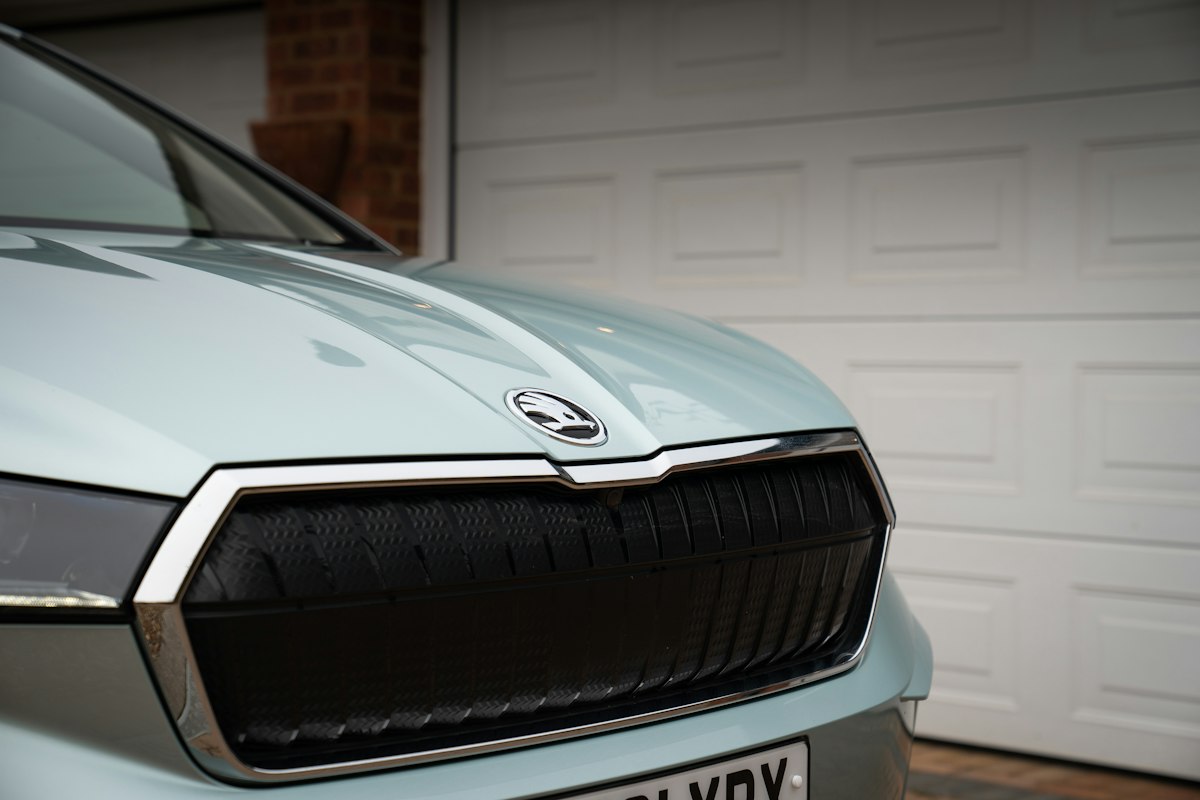
Škoda Enyaq wasn't supposed to win this fight. On paper, the Tesla Model Y should have taken Filip's money without breaking a sweat. Better software. Better app. Sharper acceleration. And yet the longtime Volkswagen and Škoda enthusiast, who once dismissed every electric car on the road as "electric junk," handed his business to the Czech brand instead.
It didn't happen overnight. It wasn't some dramatic road trip revelation either. His reversal came the way most real car decisions actually come, which is quietly, practically, and for reasons that have almost nothing to do with spec sheets. And that's it.
From Diesel Loyalist to EV Owner
Filip spent years as a devoted diesel driver. What pushed him away wasn't climate guilt or government incentives. It was the hardware itself. Modern diesel engines, with their increasingly complicated emissions systems, struck him as overengineered for the kind of short-distance driving he actually does. The complexity felt excessive. The payoff felt thin.
Once he spent real time with a modern EV, the contrast became obvious. Electric propulsion offered a simpler ownership proposition, fewer moving parts, less maintenance, and none of the emissions plumbing that had soured him on diesel in the first place.
He didn't leap blindly. He weighed the Škoda Enyaq against the Tesla Model Y directly. Tesla won on software, won on the app, and won on sporty driving character. Filip wasn't shopping for the fastest or the smartest car. He was shopping for the one he'd actually enjoy living with every day.
Comfort Beat Performance
Four to five months. Roughly 5,000 kilometers. And now he calls the Škoda Enyaq one of his favorite cars he has ever owned, a striking sentence from a man who, for years and with real conviction, used to mock the entire category. That's it.
Comfort. Simplicity. Service accessibility. That's what it came down to. Tesla may have the better software, but Filip increasingly values comfort over performance. He also believes the Enyaq offers better perceived build quality and a more comfortable overall experience, and it's a view he's settled into as the things he cares about most have shifted over time.
Then there's the practical stuff nobody puts in a launch video. Škoda's service network near his home made EV ownership less complicated, while he had concerns about Tesla service waiting times. That kind of friction adds up. It shapes how you feel about a car long after the novelty wears off.
Familiarity mattered too. Years of Volkswagen and Škoda ownership made the transition feel natural, and the fact that his Škoda Enyaq was built relatively close to his home reinforced his preference for a brand he knew and could rely on locally.
A Car His Wife Won't Give Back
Here's the twist. Filip originally bought the Škoda Enyaq for his wife. That plan lasted about five minutes. He started driving it himself, and now the two occasionally argue over who gets the keys.
The household use pattern tells you everything about how the car actually fits into their lives. His wife can go roughly two weeks between charges. Filip, who drives more, burns through the available charge in about four days. They charge exclusively at home, where the Enyaq pulls 11 kW and reaches a full charge in about five to six hours. He plugs it in overnight and barely thinks about it.
The family still keeps a Mercedes V-Class. And a Passat. Both have combustion engines, and they're reserved for longer journeys. The V-Class handles skiing trips and vacations, thanks to its four-wheel-drive capability and enormous cargo space, which is exactly why it's the vehicle they turn to whenever the itinerary stretches beyond a quick local drive. That arrangement eliminates most range anxiety. But Filip admits something. If the household only had EVs, longer days would require more planning around DC fast charging, and that's a reality they don't have to face right now.
What the Enyaq Gets Right
The styling is where Filip gets genuinely enthusiastic. He calls the design "timeless," saying it's one of the few modern cars that makes people turn around and look. That's not a small claim in a market full of forgettable crossovers.
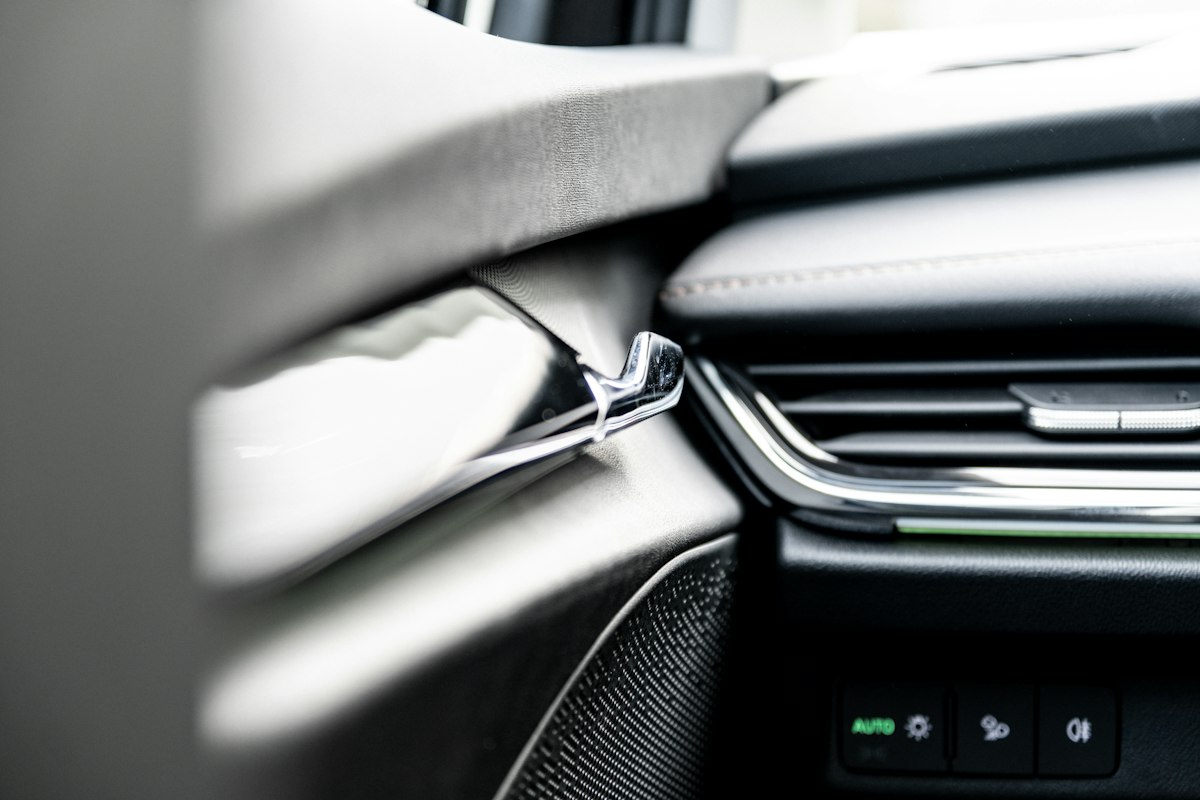
The Škoda Enyaq shares its platform with the Volkswagen ID.4 and Audi Q4 E-Tron, but the discussion places the Škoda in a middle ground between the two in presentation. The interior earns praise for its stitching, contours, and premium feel. The example he owns is well equipped, with a head-up display, a compact instrument cluster, and a sunroof.
Ride comfort impressed the presenters too, especially given the car's 21-inch wheels. Rough pavement, bumps, and manhole covers get absorbed far better than expected. Much of the credit goes to the DCC adaptive suspension, which lets the driver swing the chassis from very firm to extremely soft. In its softer setting, it smooths out harsh road imperfections with ease.
Acceleration is strong when asked. Even in Comfort mode, a full press of the accelerator delivers the aggressive response you'd associate with sportier settings.
Travel Assist and the Little Things
The Travel Assist system handles speed, lane centering, speed-limit sign recognition, following distance, and stop-and-go traffic. It stops the car. And it resumes when traffic does. The presenters note it isn't as autonomous as a Tesla, but they find it effective and comfortable in ordinary driving, where its automatic response to changing speed limits and traffic conditions stands out.
The 360-degree camera earns appreciation too, particularly for protecting those expensive 21-inch wheels when maneuvering.
Regenerative braking adjusts automatically. It reads the traffic and the recognized speed limits. When the car approaches lower limits and roundabouts, the system starts recuperating energy, quietly pulling back speed in a way that's meant to feel natural rather than forced. Filip prefers D mode. The vehicle can coast there. He doesn't like the stronger braking of B mode, and he finds it excessive, so he sticks with the relaxed feel of letting the car sail.
Where the Enyaq Falls Short
The infotainment is the weak spot. Filip admits the system is slow and somewhat sluggish, confirming complaints he'd read in reviews before buying. But it has never frozen or stopped him from doing what he needs. For his purposes, it's adequate despite the delayed responses.
"The Enyaq has become a genuine favorite and has broadened his interest in electric vehicles."
That's the bottom line from the owner himself. Comfortable, beautifully built, easy to live with, enjoyable to drive. His current lease runs five years, and when it expires he expects to consider another EV. He's already eyeing the newer Enyaq 2, particularly for its design.
For anyone still clinging to the idea that electric cars are junk, Filip's story offers a simple lesson. Sometimes the best EV isn't the one with the best software. It's the one that fits the life you actually live.
Frequently Asked Questions
Why did Filip move away from diesel cars before buying the Škoda Enyaq?
Filip spent years as a devoted diesel driver, but what pushed him away was the hardware itself rather than climate guilt or government incentives. Modern diesel engines with increasingly complicated emissions systems struck him as overengineered for the short-distance driving he actually does.
What aspects did the Tesla Model Y win on when Filip compared it directly to the Škoda Enyaq?
When Filip weighed the Škoda Enyaq against the Tesla Model Y directly, Tesla won on software, won on the app, and won on sporty driving character. However, Filip wasn't shopping for the fastest or smartest car, but for the one he'd actually enjoy living with every day.
How does the household charging routine differ between Filip and his wife?
His wife can go roughly two weeks between charges, while Filip, who drives more, burns through the available charge in about four days. They charge exclusively at home, where the Enyaq pulls 11 kW and reaches a full charge in about five to six hours.
How does the DCC adaptive suspension affect the Škoda Enyaq's ride comfort?
Much of the credit for ride comfort goes to the DCC adaptive suspension, which lets the driver swing the chassis from very firm to extremely soft. In its softer setting, it smooths out harsh road imperfections with ease, absorbing rough pavement, bumps, and manhole covers far better than expected given the car's 21-inch wheels.
What does Filip identify as the Škoda Enyaq's main weakness, and how serious is it in practice?
The infotainment is the weak spot, and Filip admits the system is slow and somewhat sluggish, confirming complaints he'd read in reviews before buying. But it has never frozen or stopped him from doing what he needs, so for his purposes it's adequate despite the delayed responses.

Sebastian Wolf reports on the car industry, from performance machines to the engineering that powers them. He is fascinated by how manufacturers balance tradition with the rapid move to electrification.
💬 Comments (0)
No comments yet. Be the first!