Genesis G70 Reportedly Losing Its Twin-Turbo V6 For 2027
EPA data suggests the Genesis G70's twin-turbo V6 may be dropped for 2027, leaving only the four-cylinder option.
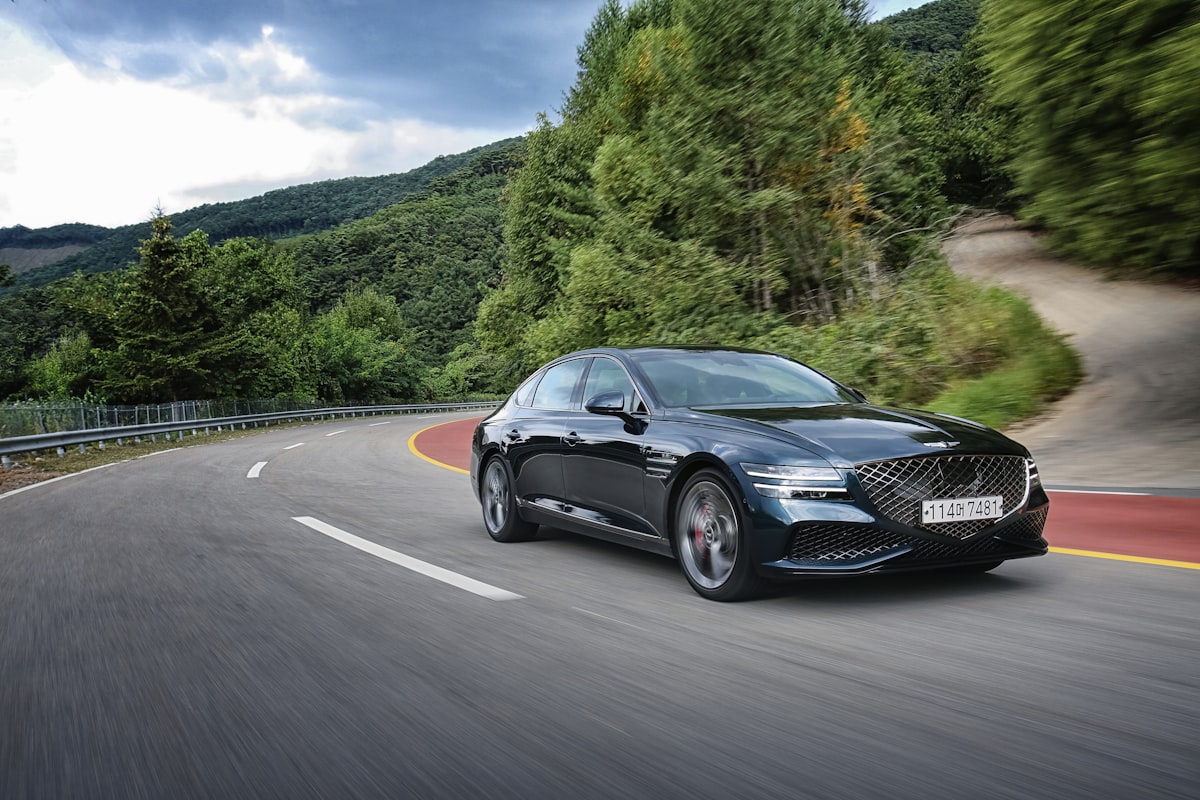
The Genesis G70 twin-turbo V6 appears to be on its way out for the 2027 model year, according to new data from the U.S. EPA. FuelEconomy.gov recently posted efficiency figures for the upcoming Genesis lineup, and the G70 listing only shows the four-cylinder option. That absence is a strong signal that the punchy 3.3-liter engine won't survive the model changeover.
Genesis hasn't said anything official about the 2027 G70 yet. Instead, the government database is doing the talking. But the EPA page isn't complete. The G90 flagship is missing from the list entirely, and the newly revealed GV90 SUV hasn't shown up either, though that vehicle only broke cover less than a week ago. So this is a compelling clue, not a stone-cold confirmation.
What The Buyer Loses
The four-cylinder isn't a punishment. It makes 300 horsepower and 311 pound-feet of torque, which is a healthy number for the segment. The 3.3-liter twin-turbo V6, in contrast, makes 365 hp and 376 lb-ft, and that gap matters. The V6 put the G70 in striking distance of the six-cylinder BMW 3 Series and the Audi S5. Drop it, and the G70 goes into that fight with a four-pot and less to argue with.
Drive the G70 with the bigger engine, and the difference hits you instantly. The V6 gives the sedan a muscular, urgent character that the four-cylinder simply can't replicate. It's not just about peak numbers. It's about how the power arrives, that mid-range shove, the willingness to rev, and the way the car seems to tighten around you as the tach swings past four grand, making every merge and every backroad bend feel like a deliberate, coiled decision. The G70 has spent years as one of the more genuinely fun small sports sedans on sale. And a big part of that appeal has been the option to skip the four-cylinder and step up to something with real firepower. So don't settle.
Where The V6 Still Lives
Here's the part that argues against panic. The engine, or a version of it, sticks around elsewhere in the range. The similarly sized GV70 SUV, the midsize G80 sedan, and the GV80 SUV all still offer a twin-turbo V6, though it's the newer 3.5-liter unit rather than the 3.3. That one is stronger, at 375 hp and 391 lb-ft. Push further up the ladder to the GV80 Coupe and G90, and there's a version pairing the twin-turbo V6 with an electric supercharger for 409 hp and 405 lb-ft.
So this reads less like Genesis abandoning six cylinders and more like Hyundai Motor Group phasing out the older 3.3-liter engine across the board. The G70 just happens to be one of the last places it lived.
Dropping a powertrain that helps a car punch above its class could look like the first step toward killing the car. The numbers, however, say otherwise.
Sales Tell A Different Story
The G70 moved 6,653 units through July of this year. That’s roughly triple the next-bestselling Genesis sedan, the G80, and it makes the model the third-bestselling nameplate in the entire lineup, ahead of only the GV80 and GV70 SUVs. Sales are even slightly up year over year. So automakers don't typically quietly retire a car that's still selling like that. It's a strange move.
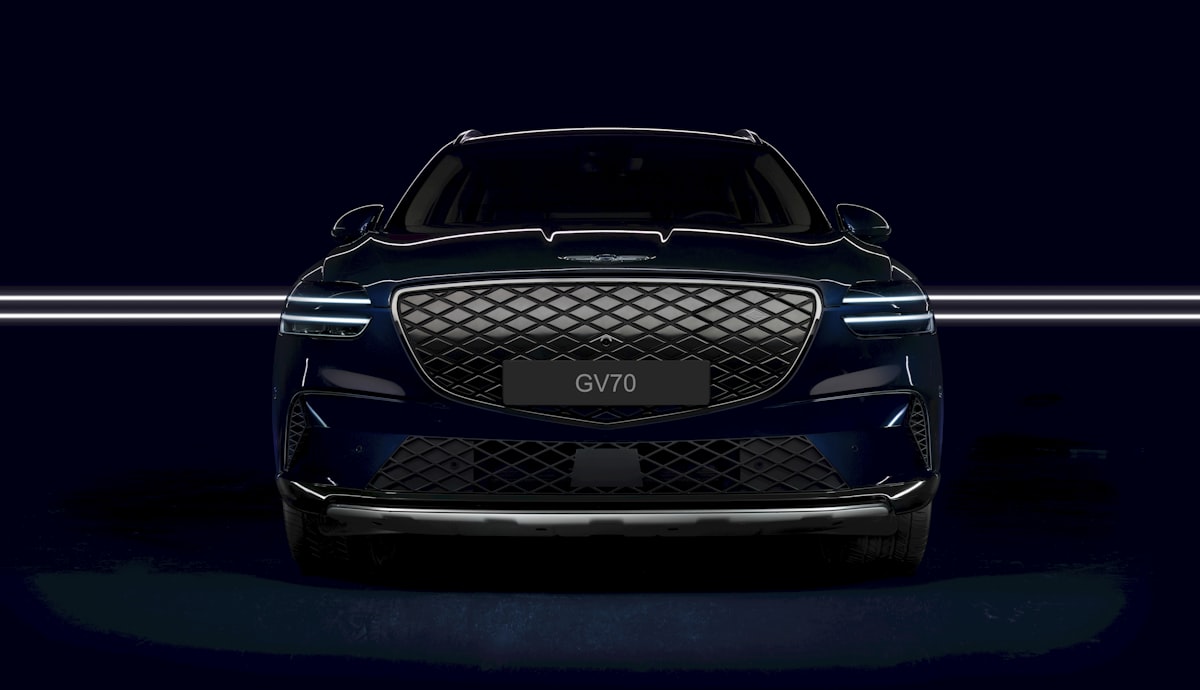
One reader comment pointed out that less than 15% of G70s actually get the V6. That's a striking stat. And it helps explain why the engine might go without the car following it out the door, since the numbers simply don't justify keeping both alive. Another commenter drew a comparison to the Challenger, noting that the Hellcat package was what pulled people into the dealership, even if the economy four-cylinder paid the bills when people settled. The top engine builds the brand. The base engine moves the metal.
The likelier story: the G70 hits a decade on the market in 2027 with just a single refresh to its name, and a new generation may be coming.
What Comes Next
A report a while back reportedly suggested the next G70 could be revealed this year. But if that's the plan, the current car simply soldiers on with the four-cylinder for the short stretch until its replacement arrives, and that makes the V6's departure a practical matter of production planning rather than a strategic retreat from the sport sedan segment. It's not a retreat. So the V6 just bows out for now.
For buyers who want the twin-turbo V6 in a Genesis, the SUV lineup still delivers. The GV70 and GV80 offer the newer, stronger 3.5-liter unit, and the range-topping models add the electric supercharger for even more output. The G70's loss could be its gain if a new generation is truly on the way, but for anyone who wanted the current car with the big engine, time is running out.
It's also worth remembering that the EPA database isn't the final word. The missing G90 and GV90 entries prove the list is incomplete, and that gap should give anyone pause before they treat this as gospel. But there's a sliver of hope. Until Genesis makes an official announcement, the V6 could still appear in a later update, though the smart money is on the four-cylinder being the only G70 powertrain for 2027, and you can't blame anyone for betting that way.
The G70 has always been the underdog in the compact luxury sedan segment, a car that traded on driving engagement rather than badge prestige. Losing the V6 softens that pitch considerably. But if a new generation is coming, the current car may just be marking time until the real story arrives.
Frequently Asked Questions
What does the EPA data indicate about the Genesis G70's engine options for 2027?
According to the article, the EPA data on FuelEconomy.gov for the 2027 G70 only lists the four-cylinder option, suggesting the twin-turbo V6 will be dropped. However, the article notes the EPA page is incomplete because the G90 and GV90 are missing, so it's a strong clue but not a confirmation.
How does the four-cylinder engine compare to the V6 in terms of performance?
The article states the four-cylinder makes 300 horsepower and 311 pound-feet of torque, while the 3.3-liter twin-turbo V6 produces 365 hp and 376 lb-ft. The V6 provides a more muscular and urgent driving experience, with a mid-range shove and willingness to rev that the four-cylinder can't replicate.
Why might the G70 be losing its V6 despite strong sales?
The article suggests that less than 15% of G70s actually get the V6, so the numbers don't justify keeping both engines. Additionally, the newer 3.5-liter twin-turbo V6 is used in other Genesis models, indicating a phase-out of the older 3.3-liter engine across the brand.
What is the likely reason for the V6's departure according to the article?
The article speculates that the G70 may be approaching a new generation, with a report suggesting it could be revealed this year. If so, the current car would continue with the four-cylinder until its replacement arrives, making the V6's removal a practical production decision rather than a strategic retreat.
Where can buyers still find a twin-turbo V6 in a Genesis vehicle?
The article says the GV70 and GV80 SUVs offer a newer 3.5-liter twin-turbo V6 with 375 hp and 391 lb-ft. Higher-end models like the GV80 Coupe and G90 have a version with an electric supercharger producing 409 hp and 405 lb-ft.

Sebastian Wolf reports on the car industry, from performance machines to the engineering that powers them. He is fascinated by how manufacturers balance tradition with the rapid move to electrification.
💬 Comments (0)
No comments yet. Be the first!