China's BESS fleet could shift 23 TWh more
Analysis shows China's BESS fleet could shift 23 TWh more clean power if utilization rates reach international standards.
The Hidden Potential in Current Batteries
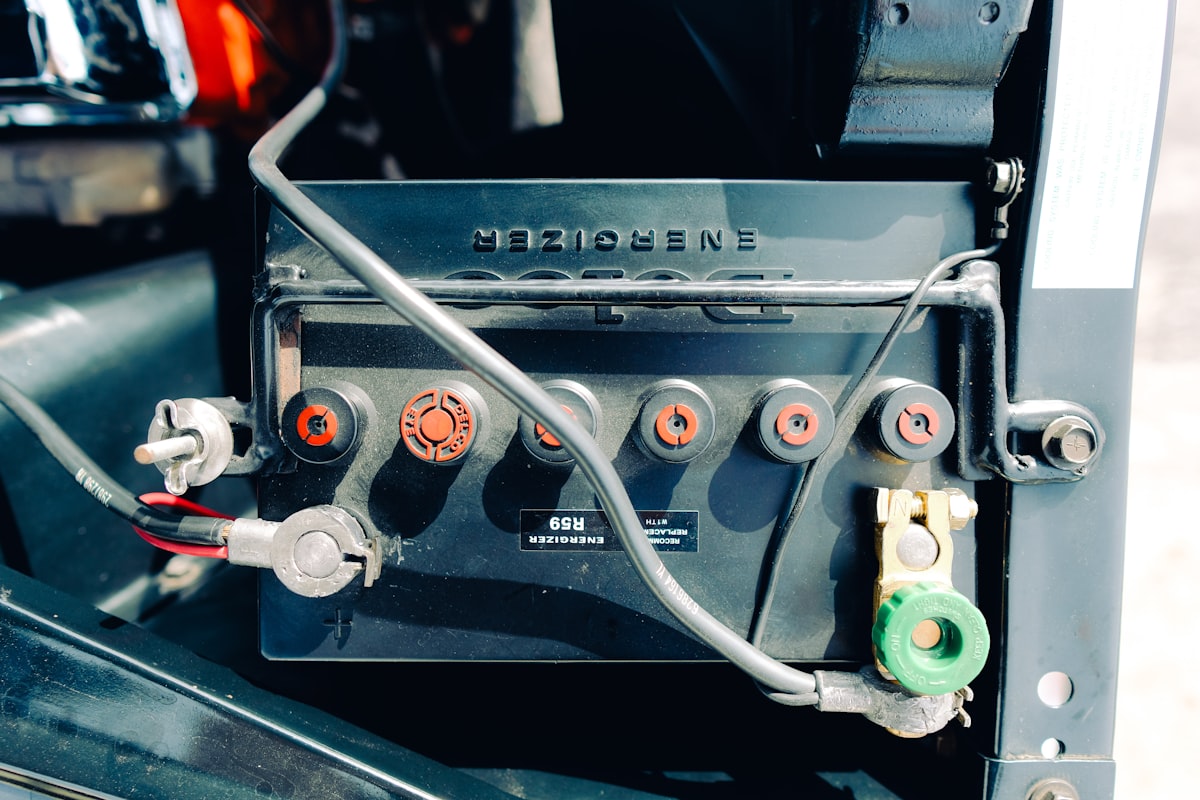
China's BESS fleet could shift 23 TWh more clean power if utilized to its full potential. To put that in perspective, that is enough energy to power the entire economy of Singapore for five months. Right now, much of that hardware sits idle or is locked into rigid patterns that prevent it from doing its best work. The issue boils down to how these systems are dispatched. Many batteries were installed specifically because local regulations required wind and solar projects to pair them with storage. These co-located batteries often follow strict, limited operational patterns. They are not yet free to act as independent players in the power market.Why Utilization Matters Now
Standalone batteries tell a different story. These units are monitored and dispatched by the grid to handle system-wide needs. Because they have more viable ways to generate revenue, they see much higher usage than their co-located counterparts. The numbers show why this gap is a problem:- Utility-scale BESS utilization more than doubled between 2022 and 2025.
Market Context: According to BloombergNEF, China installed 61.1 GW/173.1 GWh of new battery energy storage systems in 2025, marking a 54% increase from the previous year.
- A 100-cycle annual gap exists between co-located and standalone systems.
- Closing that 100-cycle gap could shift 9.5 TWh of electricity every year.
- Reaching 350 cycles per year could unlock the full 23 TWh of potential.
The Shift Toward Standalone Systems
Market trends show a clear move away from the old mandates. Between January and April 2026, standalone storage accounted for 84.7 percent of new installed capacity. Co-located systems made up only 8.4 percent of that growth. Siming Liu, Group Strategy Senior Manager at TrinaSolar, highlights the challenge ahead:China has built the world’s largest battery storage fleet in record time, but having the batteries is not the same as using them. The next phase of China’s storage story will be defined not by how many gigawatts are added, but by how well they can support the new power system.
What This Means for the Grid
Batteries are the ultimate multitool for a modern power system. They smooth out the peaks and valleys of wind and solar energy. They stop renewable power from being wasted and provide emergency support when the grid struggles. But building out the hardware is only half the battle. For these systems to work, the market design has to change. Energy arbitrage alone does not pay the bills. Current price caps and weak price signals make it hard for operators to justify the investment.The Path to Better Performance
Policy is already shifting to address these bottlenecks. New rules have moved away from the old co-location mandates. Recent documents have opened the door for standalone batteries to receive national capacity remuneration. Biqing Yang, Energy Analyst for Asia at Ember, explains the situation:China doubled its battery storage capacity in 2025 against a backdrop of major policy shifts. With so much changing so quickly, now is the moment to watch how these market transitions actually play out.
Realizing the Full Value
True progress will require more than just adding gigawatts. It will need a reliable capacity pricing framework that rewards batteries for the stability they provide. Places like Shandong are already piloting joint clearing between spot markets and ancillary service markets. If these reforms take hold, the entire system becomes more flexible. You get a grid that actually works with the clean power we generate rather than just storing it and forgetting it. The goal is to make sure every watt of stored energy has a purpose. We have the fleet. Now we just need the rules that let it run.
Frequently Asked Questions
What is the hidden potential of China's BESS fleet according to the article?
China's BESS fleet could shift 23 TWh more clean power if utilized to its full potential. That amount of energy is enough to power the entire economy of Singapore for five months.
Why do standalone batteries see higher usage than co-located ones?
Standalone batteries are monitored and dispatched by the grid to handle system-wide needs. They have more viable ways to generate revenue, leading to much higher usage than co-located batteries, which follow strict, limited operational patterns due to local regulations.
How much electricity could be shifted by closing the 100-cycle annual gap between co-located and standalone systems?
Closing the 100-cycle annual gap between co-located and standalone systems could shift 9.5 TWh of electricity every year. Reaching 350 cycles per year could unlock the full 23 TWh of potential.
When did the shift toward standalone systems become evident in market trends?
Between January and April 2026, standalone storage accounted for 84.7 percent of new installed capacity, while co-located systems made up only 8.4 percent of that growth. This shows a clear move away from old mandates.
Who is Siming Liu and what challenge does he highlight about China's BESS fleet?
Siming Liu is the Group Strategy Senior Manager at TrinaSolar. He highlights that having the batteries is not the same as using them, and the next phase of China's storage story will be defined by how well the fleet can support the new power system, not by how many gigawatts are added.

Dominic Fischer writes about cars and the future of mobility, covering everything from new launches to charging infrastructure. He follows how the way we drive is changing and what comes next on the road.
💬 Comments (0)
No comments yet. Be the first!