Why Wearable Data Privacy Risks Industry Trust
As wearable adoption grows, the lack of federal data protection standards forces consumers to navigate complex privacy policies.
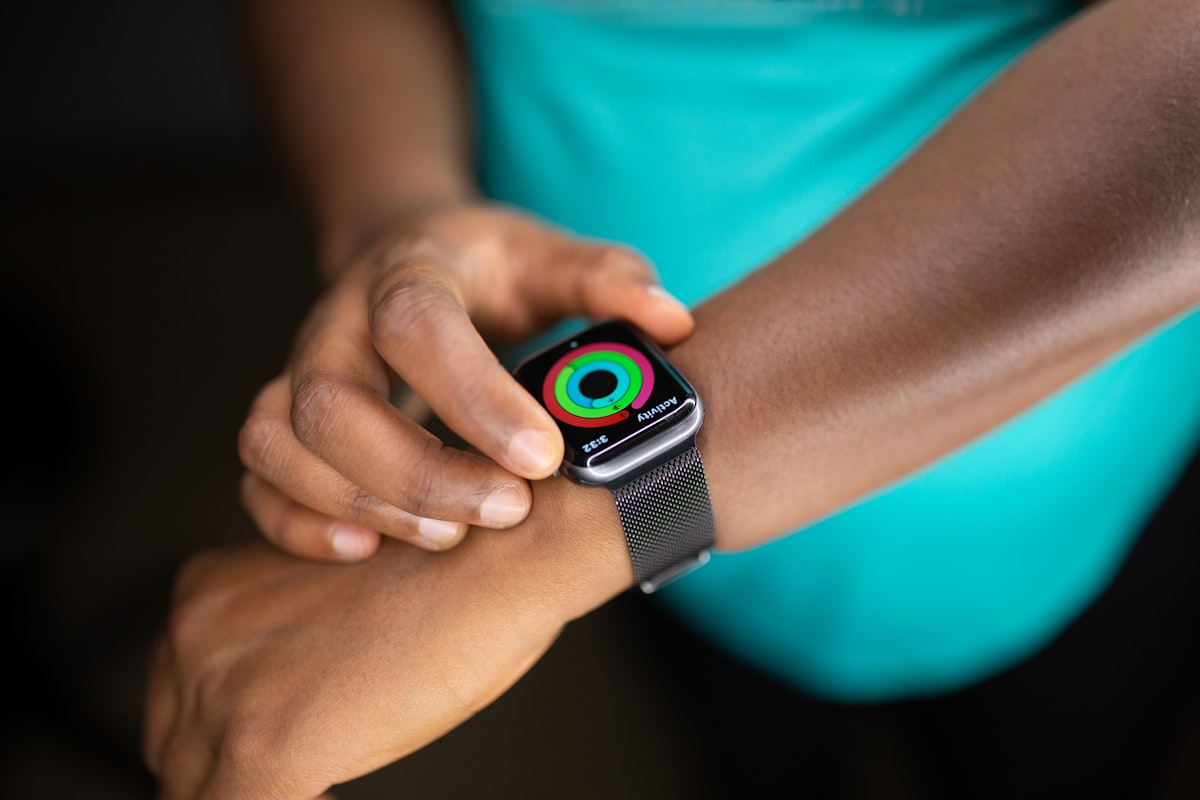
Wearable data privacy risks remain an oversight for many users
Wearable data privacy is a real tension point. It pits the convenience of health monitoring against the risks of information exposure for users who want both but can't fully have either, and we've seen the volume of sensitive information moving from wrist to cloud grow exponentially as individuals flock to smartwatches and rings to track their vitals. But here's the problem. Consumers trade their most personal metrics for health insights without appreciating the long-term implications for their digital security.
The regulatory gap in health tracking
Industry watchers see eager consumers. They crave health insights, but the regulatory environment simply hasn't kept pace with the technology, creating a dangerous gap in oversight and protection. In the United States, federal protections like HIPAA only apply to specific healthcare providers and entities. Wearable manufacturers fall outside this framework. So the responsibility for data protection often rests entirely on the individual. But this leaves a vacuum where state-level laws offer a patchwork of rights, and no uniform national standard exists to govern how health information is stored, processed, or shared. It's messy.
The hierarchy of corporate transparency
Strategic analysis shows a stark divide. Some wearables manufacturers prioritize transparency, but recent examinations of privacy policies across 17 leading companies reveal that others leave users completely in the dark. It's a clear choice. Companies that integrate clear, public-facing explanations of their data handling practices demonstrate a different strategic priority than those that rely on dense legalese.
Assessing manufacturer risk profiles
- Google, Apple, and Polar currently maintain lower risk scores due to stronger privacy frameworks.
- Xiaomi, Wyze, and Huawei carry higher risk scores, indicating less favorable data governance models.
- The evaluation rubric relies on 24 criteria, including transparency, third-party sharing, and user control.
Consumers ignore these policies. But by doing so, they inadvertently signal to the market that convenience matters more than security, and brands aware of this dynamic may prioritize features over the structural safeguards that prevent data leakage. So if a company relies on data monetization as part of its revenue model, the user effectively becomes the product rather than the customer.
Monetization and the cost of free
A consumer pays for a device and a recurring service. That gives the company a real incentive to maintain brand trust, because they know customers will walk if they break that promise. But when the service is free, it's different. The incentive shifts entirely toward extracting value from the user profile instead.
People were cautious years ago when it came to more sensitive data types, but increasingly they are finding enormous value in being able to access and use that information. The downside is they are not always taking the time to think through where, when, and how they ought to be taking any precautions. ; Jules Polonetsky, CEO of the Future of Privacy Forum
But relying on a brand's reputation isn't enough to protect you. This reality forces a re-evaluation of how smart devices are integrated into daily life, since trust alone can't replace the active management required to guard against long-term exposure. So consumers must act as their own data auditors. It's that simple.
Strategies for personal data defense
Protecting personal metrics demands a fundamental shift in how users interact with their devices. It's a common mistake. The assumption that data remains local is often incorrect, as much of this information is uploaded to an app for processing, where it can be accessed, analyzed, and potentially shared beyond your control. So mitigate risk by considering the following actions.
- Perform regular audits of third-party connections within the device settings.
- Delete historical data from devices that are no longer in active use.
- Check settings for any artificial intelligence features that might use personal data for model training.
Look at the wider sector. The pressure to include AI-driven health analysis in wearables will only increase the demand for data, and manufacturers will likely seek more access to user habits to power these features. But the next phase of industry growth will be defined by which firms can balance technical capabilities with the rising demand for granular user control. Owners must remain vigilant. The technology continues to evolve.
Frequently Asked Questions
What is the main tension point regarding wearable data privacy?
The main tension point is that wearable data privacy pits the convenience of health monitoring against the risks of information exposure. Users want both benefits but cannot fully have either, as the volume of sensitive information moving from wrist to cloud has grown exponentially.
Why do consumers trade their personal metrics for health insights despite privacy risks?
Consumers trade their most personal metrics for health insights without appreciating the long-term implications for their digital security. They are finding enormous value in being able to access and use that information, but they are not always taking the time to think through where, when, and how to take precautions.
How can users protect their personal data according to the article?
Users can protect their personal data by performing regular audits of third-party connections within device settings, deleting historical data from devices no longer in active use, and checking settings for AI features that might use personal data for model training. These actions help mitigate risk and guard against long-term exposure.
Which companies have lower risk scores for data privacy, and why?
Google, Apple, and Polar currently maintain lower risk scores due to stronger privacy frameworks. In contrast, Xiaomi, Wyze, and Huawei carry higher risk scores, indicating less favorable data governance models based on 24 evaluation criteria including transparency, third-party sharing, and user control.
How does a company's revenue model affect user data protection?
When a consumer pays for a device and recurring service, the company has a real incentive to maintain brand trust because customers will walk if that promise is broken. However, when the service is free, the incentive shifts entirely toward extracting value from the user profile, making the user effectively the product rather than the customer.

Julian Sterling reports on enterprise IT, data infrastructure and the vendors that keep modern business running. He has a long-standing interest in how organisations modernise their systems without breaking what already works.
💬 Comments (0)
No comments yet. Be the first!