Trump halts Iran strikes to resume negotiations
After calling off a major military plan, Trump halts Iran strikes to allow diplomatic negotiations to resume.
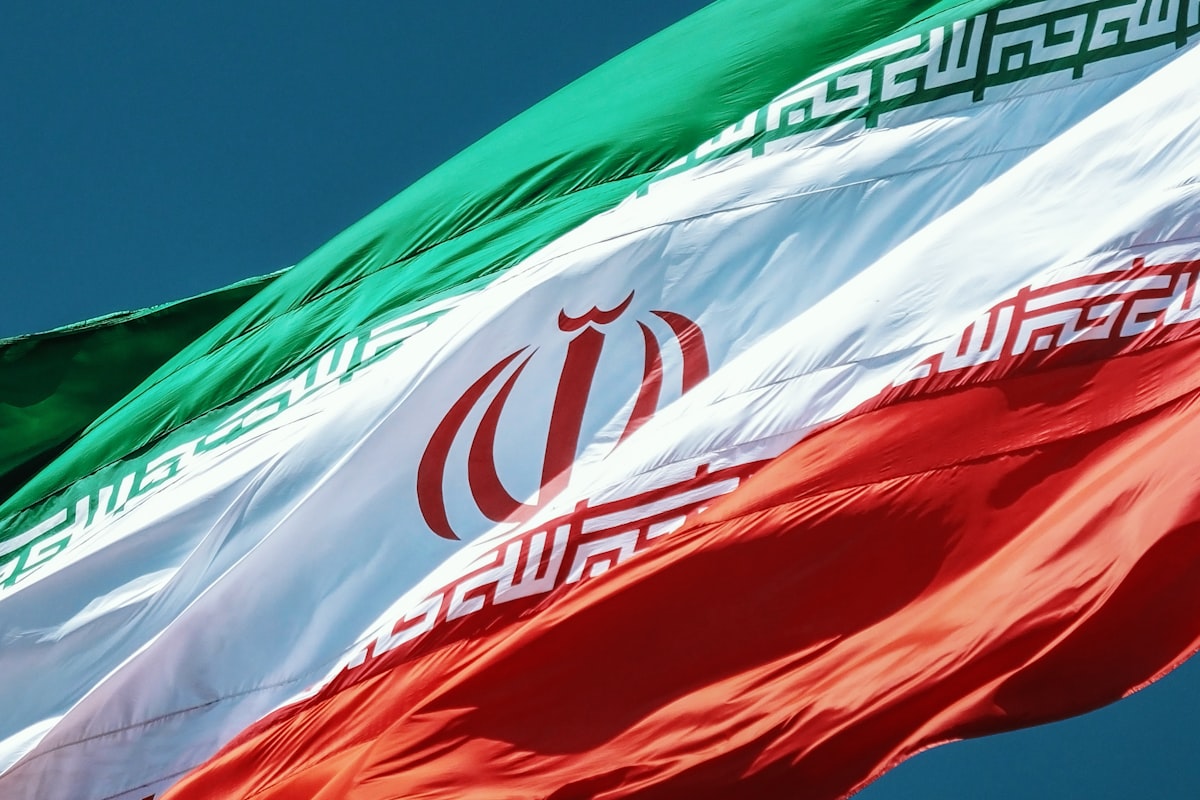
Trump halts Iran strikes. That's the headline, and it's a sharp pivot from the brink. He's carving out space for fresh diplomatic talks, following urgent requests from key Gulf allies who fear a wider conflict would engulf their own economies and borders in flames. The American president revealed that a massive military plan was ready for execution, an operation he described as the biggest attack since World War II. But he chose to dismantle it on Sunday. That decision came after speaking directly with regional leaders, including Saudi Crown Prince Mohammed bin Salman, and after receiving requests from unnamed Iranian officials, a flurry of backchannel diplomacy that shifted the calculus in real time. It's a sudden pause in a highly volatile stand-off. So the focus now swings back to the negotiation table, where the stakes haven't dropped an inch. We've seen this movie before, and nobody's betting on a quiet ending.
Allies urge caution over military escalation
The intervention came straight from Qatar, Saudi Arabia, and the United Arab Emirates. These Gulf nations are deeply worried. They fear the unpredictable fallout of a massive American bombardment, and during a Saturday phone call, Saudi Crown Prince Mohammed bin Salman warned that a major strike could trigger a severe retaliatory response from Tehran. He made it clear that such an escalation could badly damage the global economy. Iran might target the energy infrastructure of its Gulf neighbors. So that's the nightmare scenario. And it's one they can't afford to ignore.
Saudi officials expressed confidence in the defense capabilities of the kingdom, the United Arab Emirates, and Qatar, pointing to their layered air defenses and battle-tested systems as reasons for that assurance. But they raised concerns that Kuwait remains far more vulnerable to potential retaliatory strikes launched by Iranian-backed militias operating out of Iraq, a gap that could expose critical infrastructure and population centers in any conflict. These specific regional anxieties apparently heavily influenced the American decision to pause the military machinery. That's the crux. It's a pause born of worry, not weakness. So Washington held back its forces, and we've seen that caution ripple through the Gulf's strategic calculus.
"They said we would much prefer a deal as opposed to an attack, because you don't know where these attacks lead."
The president spoke to reporters about his conversation with the Saudi leader while returning to Washington on Air Force One, and he made it clear that the crown prince and Saudi officials believed a diplomatic agreement was close, which in their view made a military strike highly counterproductive at this delicate juncture. But that's a fragile read. So don't expect any quick moves.
The proposed terms of a ceasefire deal
Negotiations restart Monday afternoon. But don't expect a simple handshake, because the framework being floated targets those thorny issues that have repeatedly derailed diplomacy before, and it's a dense package that regional mediators have spent weeks shaping behind closed doors. Exact participants remain unconfirmed, though a regional official involved in the mediation outlined the core elements of the current proposal. It's a fragile start, at best.

- Reopening the Strait of Hormuz to international shipping.
- Halting military attacks across the region, including operations by Iranian-backed militias in Iraq targeting Jordan and Arab Gulf nations.
- Ending the United States naval blockade on Iran.
- Allowing Tehran to resume exporting its oil under the terms of a tentative ceasefire.
The battle over the Strait of Hormuz
Control of the Strait of Hormuz remains a central friction point. It's a chokehold on the world's pulse. Before the war began, roughly one fifth of the global energy supply transited through this narrow waterway, a staggering flow that kept economies humming from Tokyo to Houston, and now that flow is a memory. Since the start of hostilities, Iran has repeatedly targeted vessels trying to pass through without its direct authorization. That's a fact, and it's brutal. This has choked off shipping and sent shockwaves through energy markets.
Tehran rejects a simple return to the past
Iran is signaling that any resolution won't mean a simple return to prior conditions. That's a hard truth. Foreign Ministry spokesperson Esmail Baghaei stated on state television that the waterway will not return to the status it held before the war started on February 28, and that's a clear break from what many might have hoped for. So Iran is currently holding discussions with Oman regarding shipping logistics, but Baghaei clarified that active talks to fully reopen the strait are not taking place, not yet anyway. It's a delicate pause.
A history of volatile shifts in policy
This isn't the first time a diplomatic path has been cleared at the eleventh hour. The United States and Israel launched attacks on Iran on February 28, and the president has announced halts to military strikes on multiple occasions since then, yet each pause proved fragile as agreements broke down and active combat resumed with grim regularity. But a day earlier, the president publicly stated he was losing faith in negotiations. He warned the military would hit Iran very hard. It's a familiar cycle. So the pattern holds, even as the clock ticks toward another possible confrontation.
The shift from aggressive military posturing to sudden diplomatic openings keeps repeating in this five-month-old war. It's a dizzying pattern. But the weekend's abrupt change has left many regional observers wondering whether this pause might yield a permanent agreement, or if it's simply a temporary breather before the next violent eruption, a chance for both sides to rearm and regroup. Don't hold your breath for peace. They're all just catching their wind.
Internal division shapes Iran's response
Iran's leadership is currently facing its own internal pressures. On the surface, the defense minister declared on social media that the country was neither surprised nor passive in the face of American decisions, emphasizing that military forces remain fully alert. Yet behind this show of strength, a struggle is occurring within the government.
One faction within the theocracy completely opposes any negotiations with the United States. Another faction believes that maintaining military pressure is the only way to secure favorable terms at the negotiating table, and they're betting that strength, not compromise, will force Washington to bend first. But that's a dangerous gamble. How this internal power struggle plays out will directly impact the success of the upcoming meetings, so don't expect a smooth path when the two sides finally sit down.
Israel's quiet role in the ceasefire
The president insists Israel backs the June ceasefire plan. But that's a hard claim to swallow. He says Israel is aligned with the effort to end the conflict by implementing that very agreement, yet the Israeli government hasn't issued a single public statement about the current pause or the upcoming talks, and we've seen no sign they're on board with any of it. So where's the proof? There isn't any.
Mediators work behind the scenes
No final agreement has been signed. But mediators keep grinding, hour after hour, under a pressure that would crush most people, trying to turn this fragile pause into something that might actually hold. It's a brutal game. Talks are set for Monday afternoon, so the next few days will tell us whether this latest push can finally snap the cycle of escalation, or whether we're just buying time before the next surge. We've seen this movie before. And don't count on a miracle.
Frequently Asked Questions
What was the reason behind Trump's decision to halt Iran strikes?
The decision came after urgent requests from Gulf allies, including Saudi Crown Prince Mohammed bin Salman, who warned that a major strike could trigger severe retaliation from Tehran and damage the global economy. Additionally, the president received requests from unnamed Iranian officials through backchannel diplomacy, which shifted the calculus.
Why did Gulf nations like Qatar, Saudi Arabia, and the UAE urge caution over military escalation?
They feared the unpredictable fallout of a massive American bombardment, as Iran might target the energy infrastructure of its Gulf neighbors. Saudi officials expressed confidence in their defense capabilities but raised concerns that Kuwait remains vulnerable to retaliatory strikes from Iranian-backed militias.
What are the core elements of the proposed ceasefire deal mentioned in the article?
The proposal includes reopening the Strait of Hormuz to international shipping, halting military attacks across the region, ending the U.S. naval blockade on Iran, and allowing Tehran to resume exporting oil under tentative ceasefire terms. These elements were outlined by a regional official involved in mediation.
How does Iran view the potential reopening of the Strait of Hormuz?
Iran's Foreign Ministry spokesperson stated that the waterway will not return to its pre-war status, indicating a break from prior conditions. Iran is holding discussions with Oman regarding shipping logistics, but active talks to fully reopen the strait are not taking place.
Who is reported to back the June ceasefire plan, and what evidence supports this?
The president insists that Israel backs the June ceasefire plan, but the Israeli government has not issued any public statement about the pause or upcoming talks. There is no visible sign that Israel is on board, as no proof has been provided.

Adrian Zeller writes about startups, funding and the markets that shape the technology industry. He looks for the story behind the numbers, tracking how young companies scale and where the next opportunities lie.
💬 Comments (0)
No comments yet. Be the first!