Why right-to-repair Matters for Modern Tech
Earie Salmon highlights why the right-to-repair movement faces hurdles like counterfeit chips and unrepairable hardware.
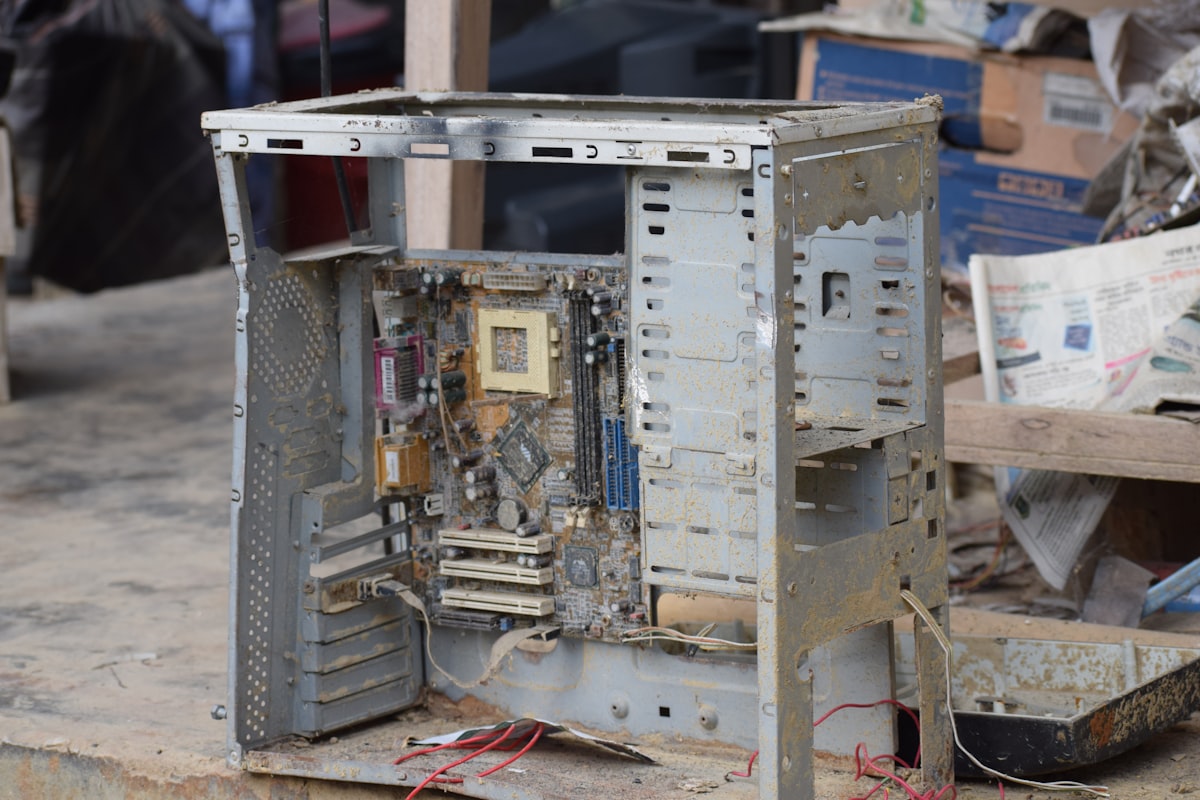
Right-to-repair dynamics are reshaping how the technology sector views the lifecycle of hardware, moving the conversation from a niche hobbyist concern into a core structural issue for the industry. That’s a huge shift. While the practice of maintaining and restoring vintage computer systems has historically been driven by nostalgia, the practical hurdles faced by those working on decades-old machines offer sharp lessons for the modern enterprise. Those lessons sting. The struggle to keep obsolete hardware functioning highlights a growing tension between durable, modular engineering and the modern corporate trend of built-in obsolescence. It’s a fight we can’t ignore. But as organizations grapple with rising hardware costs and sustainability mandates, the principles of self-sufficiency and repairability are gaining renewed strategic importance, and that’s not just sentimental, it’s survival for budgets and the planet alike.
The shift from modularity to planned obsolescence
During the nineteen-nineties and the early years of the two-thousands, computer systems were defined by their modularity. If a single component failed, an administrator could easily swap out that specific part rather than discarding the entire machine. But that modular approach began to fade in the mid-noughties as manufacturers increasingly prioritized miniaturization. The drive to make devices as small and thin as possible led to highly integrated designs, where components were permanently soldered or glued together, and that shift didn't just change the hardware; it changed the entire economics of ownership. It made machines highly unrepairable. So consumers and enterprises alike were effectively forced to purchase entirely new devices every few years. It's a costly cycle.
This transition changed the economic calculations around hardware lifespans. It's a stark shift. In earlier decades, electronics were built to last for significantly longer periods, often up to ten years, because manufacturers wanted to minimize product returns during the initial warranty windows. But today, the design focus has shifted toward ensuring devices survive their warranty period plus a single day. That's the whole trick. The engineering and science required to calculate the precise lifespan of individual components to achieve this target is incredibly complex, yet it directly serves a business model dependent on continuous replacement cycles, so we can't pretend it's an accident.
Supply chain vulnerabilities and counterfeit parts
Sourcing reliable replacement parts is the greatest operational bottleneck for those maintaining older hardware. Production of custom integrated circuits and Uncommitted Logic Arrays stopped decades ago, so repairers must often harvest components from otherwise dead systems to keep other machines running, and that dependence on a dwindling pool of original parts has opened the door to supply chain risks, especially the rise of counterfeit chips. It's a real threat. But this risk hits home for modern procurement managers who must secure legacy infrastructure, and they can't ignore it.
- Counterfeit logic chips often arrive with their original labels sanded off and re-etched with false markings.
- Standard integrated circuit testers frequently misidentify these fake chips as working, genuine components.
- A mismatched logic family inside a counterfeit chip will cause complete system failure when installed.
- The unavailability of original technical schematics, particularly for Japanese hardware, leaves repairers without reliable documentation.
These supply chain issues prove that hardware maintenance is never purely a software or diagnostic challenge; it's deeply dependent on the physical integrity of the parts pipeline. But when genuine components aren't available, the risk of introducing compromised or incorrect silicon into a system rises dramatically. That danger is real.
The challenge of missing documentation
The documentation doesn't exist. That's the real problem. A major barrier to repairing older systems is the lack of accessible technical documentation, and it's a wall that hits hardest with Japanese machines like NEC or MSX, which were shipped without published schematics in the first place. Today, much of this material is entirely unsearchable online unless the technician can read and search in the original Japanese, since official translations just don't exist. So without those schematics, diagnosing broken traces and blown circuits becomes an exercise in guesswork, pure and simple.
The human element of hardware restoration
Technical confidence doesn't always align with technical skill. That's a hard truth. Many restoration projects require undoing the damage caused by previous, poorly executed repair attempts, so technicians often find themselves untangling incorrect wiring, repairing broken board traces, and replacing components that were fried by excessive heat long before they ever touched the workbench. But aspiring technicians can't skip the basics. They must develop precise soldering and desoldering skills on disposable prototype boards first, and only then attempt to work on rare, irreplaceable hardware. It's a steep climb. Do it wrong, and you've made things worse.
Strategic implications for the modern enterprise
Vintage hardware maintenance is hard. It mirrors the exact struggle modern corporate IT departments face when they try to stretch the lifecycle of their own aging infrastructure, fighting against the same wall of limitations and proprietary restrictions. Manufacturers cut off access to diagnostic tools, spare parts, and schematics, and in doing so they build artificial barriers that quietly inflate the total cost of ownership for everyone involved.
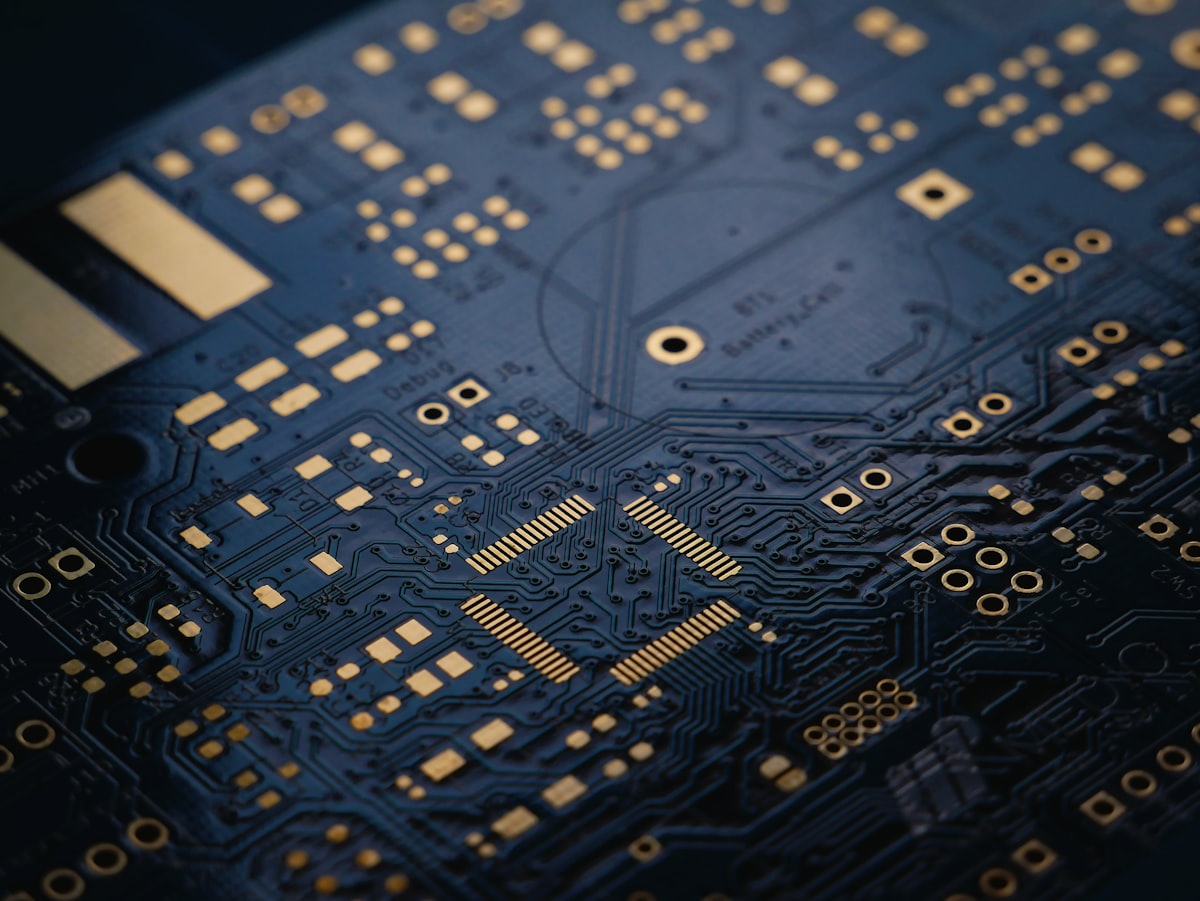
Equipment designed from the mid-2000s took on a 'look how small we got it' approach that, coincidentally and almost surely unintentionally, also results in 'look how unrepairable we made it, this is fantastic, now we can force everyone to buy a new phone, laptop, or tablet every couple of years.''
Earie Salmon, IT Professional
Earie Salmon, a vintage hardware restorer and IT professional, shares this perspective, and it underscores the systemic design choices that frustrate both hobbyists and enterprise buyers alike. Manufacturers have adopted highly integrated, non-repairable architectures, and through that choice they've successfully shifted the entire financial burden of hardware failures onto the end user, who now foots the bill for every breakdown. That's the reality. But it's driving a louder pushback from corporate buyers, who need longer hardware depreciation cycles and more predictable maintenance costs, and they're no longer willing to accept the status quo. So change is coming.
Navigating safety and technical limitations
Logistical headaches aside, sourcing parts and documentation is only half the battle. Physical safety remains the real deal when you're elbow-deep in old hardware. Legacy power supplies and high-voltage components carry dangers that modern low-voltage gear hides completely, so a technician who's been around the block will tell you that keeping mains voltage components covered at all times isn't just a suggestion, it's a non-negotiable habit for preventing accidental contact during diagnostic testing. A single slip of a probe can end a career. Or worse, it can end a life, because catastrophic hardware failure and severe personal injury often arrive in the same instant. Don't test that luck.
The movement toward open repair standards isn't merely about preserving the past. It's about building a sustainable framework for the future of technology consumption. But here's the hard truth: manufacturers still restrict access to the documentation and components needed to keep machines running, and as long as they do, the tech industry remains locked in a costly cycle of premature disposal and forced upgrades that punishes both consumers and the planet. Securing the right to repair is a necessary step toward breaking that cycle. It restores balance to the hardware ecosystem. We've seen what happens when we don't act. So let's not wait any longer.
Frequently Asked Questions
What major shift in computer hardware design occurred in the mid-2000s that impacted repairability?
Manufacturers increasingly prioritized miniaturization, leading to highly integrated designs where components were permanently soldered or glued together. This shift made machines highly unrepairable and forced consumers and enterprises to purchase entirely new devices every few years.
Why is sourcing reliable replacement parts for older hardware a significant operational bottleneck?
Production of custom integrated circuits and Uncommitted Logic Arrays stopped decades ago, so repairers often harvest components from dead systems. This dependence on a dwindling pool of original parts opens the door to supply chain risks, especially the rise of counterfeit chips that can cause system failures.
How does the lack of technical documentation affect the repair of Japanese hardware like NEC or MSX?
These machines were shipped without published schematics, and official translations don't exist, making the material unsearchable online unless the technician can read Japanese. Without schematics, diagnosing broken traces and blown circuits becomes guesswork.
Who is Earie Salmon and what perspective do they share in the article?
Earie Salmon is a vintage hardware restorer and IT professional. They highlight that manufacturers' highly integrated, non-repairable architectures shift the financial burden of hardware failures onto end users, frustrating both hobbyists and enterprise buyers.
What safety risk is specifically mentioned when working with legacy hardware?
Legacy power supplies and high-voltage components carry dangers that modern low-voltage gear hides. Keeping mains voltage components covered at all times is a non-negotiable habit to prevent accidental contact during diagnostic testing, as a single slip can cause catastrophic hardware failure or severe personal injury.

Beatrice Novak covers the business of technology, from enterprise software and cloud platforms to the strategy behind the biggest deals. She follows how companies adopt new tools and what it means for the wider economy.
💬 Comments (0)
No comments yet. Be the first!