I Led NGLM Group Business Pivot After Ukraine War Loss
The founder of NGLM Group recounts how the Ukraine war led to a $180 million budgeted year ending in loss. Learn about the NGLM Group business pivot to B2B that saved the company.
The NGLM Group business pivot emerged from the crucible of an unprecedented global crisis. It transformed a booming luxury furniture enterprise facing collapse into a diversified, resilient powerhouse. But at the start of 2022, the founder was experiencing a period of rapid growth, having built the NGLM Group from a modest $5 million turnover in 2017 to a projected $180 million for that year. That's an incredible climb. This impressive trajectory was anchored by three successful furniture brands: Nordiska Galleriet, later known as NOGA outside Sweden, Länna Möbler, and Dusty Deco.
The strategic foundation had been laid with the acquisition of a small Stockholm store, Nordiska Galleriet, in 2016, followed by the launch of a strong e-commerce platform. By 2021, a major investment had seen all acquired companies merge into a single, streamlined entity. Then, the world changed.
Crisis Strikes a Thriving Enterprise
The invasion of Ukraine was the turning point. It arrived abruptly. While skiing in the Swiss Alps, the founder witnessed a startling 30% drop in sales and initially suspected a data error, but confirmation from the office painted a stark reality. The company was suddenly in peril. It had just doubled its warehouse capacity, invested heavily in a new IT platform, and planned multi-market expansion. NOGA, a brand that consistently generated six million euros in profit with nearly 80% organic growth, abruptly plunged into losing the same amount. And there was no easy fix.
This dramatic reversal was multi-faceted. Ukraine and Russia, important sources for oak, faced immediate disruptions, leading to six- to twelve-month delays in raw material deliveries. Hundreds of customer orders had to be canceled. But the trouble didn't stop there; beyond raw materials, the broader economic downturn across Europe meant luxury furniture, in particular, became an expendable item. This wasn't an isolated incident. Even giants like LVMH reported declining turnover, and the furniture sector endured its worst year since the Second World War. The reverberations of this economic shock persisted. Over half of Sweden's premium furniture competitors closed or filed for bankruptcy in the past four years. Inflation in Sweden jumped by more than 20% in the same period. It was a perfect storm.
I was 33, and I'd honestly felt that I was invincible. But I learned that I wasn't. So I realized that in order to survive, we had to do something significantly different and we had to do it fast, because hesitation wasn't an option and the clock was ticking against us.
The personal toll was immense. At 33, the founder felt a humbling realization of vulnerability, understanding that the conventional path of cost-cutting and restructuring NOGA, which relied on external brands now deeply discounted, would not be enough. The luxury e-commerce segment faced years of unprofitability. So a bolder, more radical approach was imperative. It meant building an entirely new company to safeguard the existing one.
Forging a New Path: The B2B Transformation
The rational solution wasn't inside the core consumer business. It was in the B2B sector. So this strategic NGLM Group pivot involved an in-depth move into commercial interiors, specifically offices and hotels, and it wasn't a small shift but a fundamental rethinking of their entire approach.
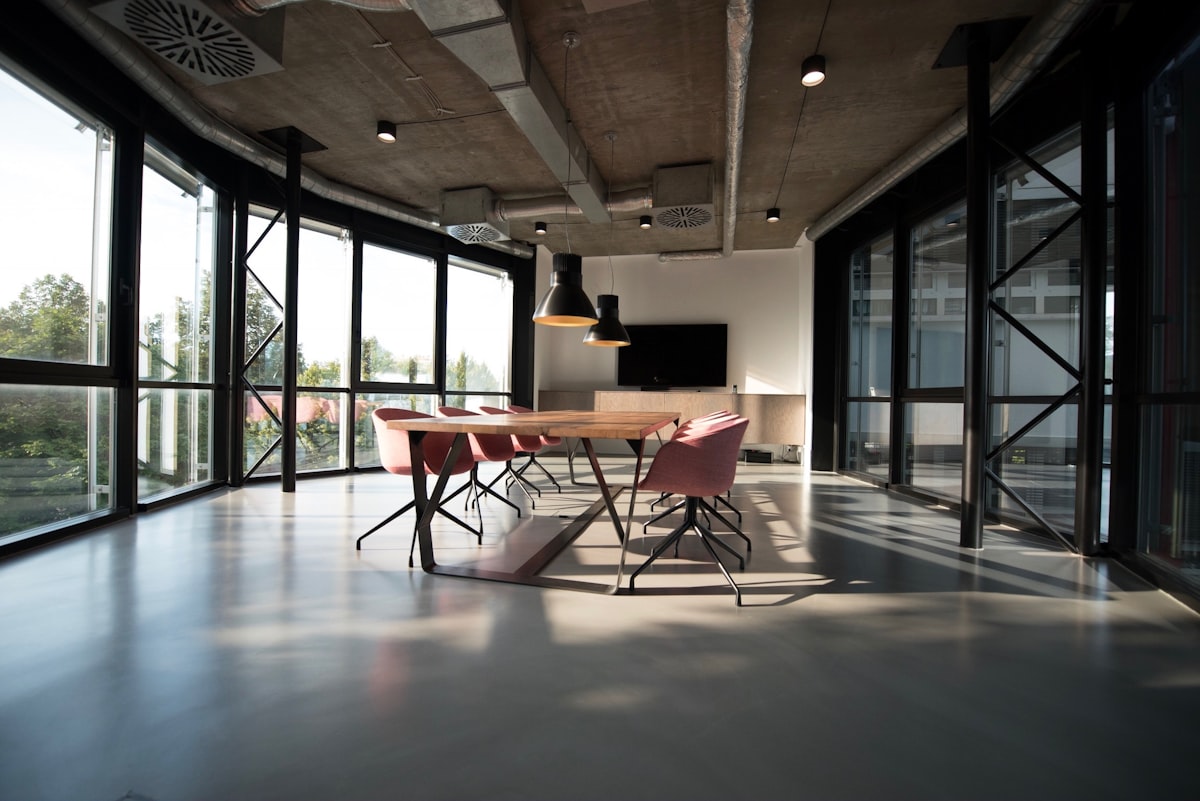
Specialized technology was the key enabler for this new venture. It was a simple, powerful tool. Designed to enhance the efficiency of highly skilled sales teams, it allowed them to operate far more effectively than the large, hierarchical structures that dominated the market. But the B2B segment offered key advantages. It wasn't as vulnerable to shifting consumer sentiment, and it was shielded from the aggressive retail discounting that plagued the luxury e-commerce market.
Yllw's Rapid Ascent and Impact
Yllw exploded. It achieved profitability within its inaugural year, 2022, and that financial success has been instrumental in funding NOGA's continued survival with a substantial portion of the profits. But four years on, it's on track to hit a total turnover of 110 million EUR with 10 million EUR in profitability this year. This growth shows the NGLM Group business pivot into commercial solutions works.
Lessons Learned, Principles Applied
The business nearly collapsed. It's a humbling thing to watch something you've built start to fail, and that brutal experience taught the founder more than any success ever could. But she didn't just learn from it, and she now operates with a redefined set of principles that move beyond simply optimizing for profit to finding a careful balance between profit and risk. These principles include:
- **Decentralized Entrepreneurship:** Employees are empowered as part-owners, receiving dividends tied directly to company results.
- **Profitability First:** Focus on generating revenue in the current market conditions before initiating changes for tomorrow.
- **Modular Business Models:** Designing structures that offer inherent flexibility, allowing for easy scaling up or down. A preference for flexible cost bases over fixed, optimized profit structures.
A seismic market shift forces a deep examination of every operational facet. It exposes inefficiencies. Learning from those missteps yields a powerful set of principles applicable to all future ventures, so by 2026 the company anticipates returning to its original $180 million turnover, but with significantly lower risk and accelerated growth. A similar market shock today would allow for a swift scale-down to profitability.
Resilience in the Face of Adversity
The journey highlights a core truth: building businesses demands a "whatever it takes" mindset. So ignore the naysayers. Amidst setbacks, it's easy for those who never took the risk to offer retrospective criticism, but the founder's message is clear: you must persist and remain committed to your vision regardless of what anyone else says. There is always a way forward, always a solution for those who relentlessly pursue their beliefs, and they're the ones who find it.
Frequently Asked Questions
What triggered the NGLM Group business pivot?
The invasion of Ukraine caused a 30% drop in sales and disrupted raw material supplies from Ukraine and Russia, leading to order cancellations and a plunge in profitability. The broader economic downturn in Europe also made luxury furniture expendable, forcing the company to seek a new strategy.
Why did the NGLM Group choose to pivot into the B2B sector?
The B2B sector was less vulnerable to shifting consumer sentiment and shielded from aggressive retail discounting that plagued luxury e-commerce. It offered a rational solution outside the core consumer business, leading to the launch of Yllw in 2022.
How did Yllw contribute to the NGLM Group's survival?
Yllw achieved profitability in its inaugural year, 2022, and a substantial portion of its profits funded NOGA's continued survival. It is on track to hit 110 million EUR turnover with 10 million EUR profitability this year.
When did the NGLM Group launch Yllw as part of its business pivot?
Yllw was launched in 2022 as a distinct entrepreneurial venture, offering a vertically integrated, full-service B2B model for hotels, restaurants, and offices.
Who led the NGLM Group business pivot and what personal realization did they have?
The founder, who was 33 at the time, led the pivot after feeling invincible but realizing vulnerability when the crisis hit. They understood that conventional cost-cutting wouldn't suffice and that building an entirely new company was necessary to safeguard the existing one.
Adrian Zeller writes about startups, funding and the markets that shape the technology industry. He looks for the story behind the numbers, tracking how young companies scale and where the next opportunities lie.
💬 Comments (0)
No comments yet. Be the first!