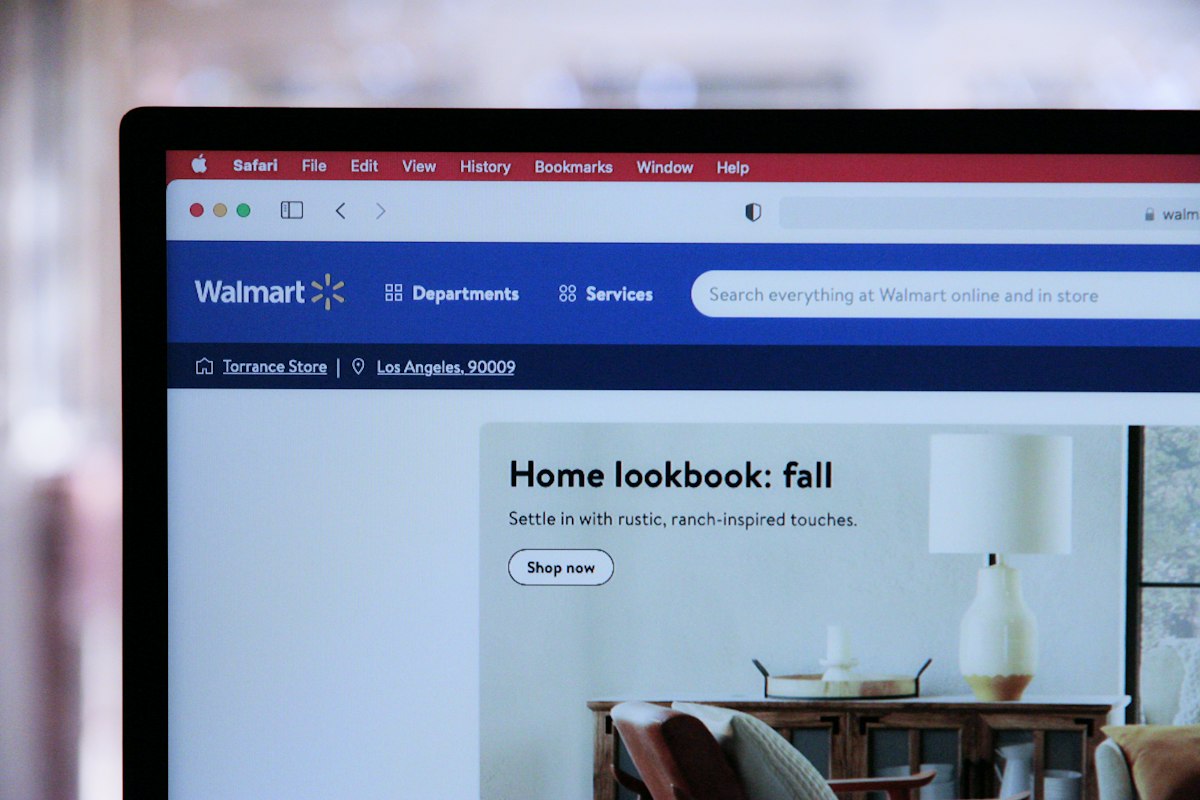
Zillow Listings Lawsuit Alleges Compass Created Fake Supply Shock
Two NYC renters filed a class action accusing Compass of hiding Zillow listings to raise rents, creating a fake supply shock.

Zillow Listings Lawsuit Targets Compass Over Alleged Rental Supply Squeeze
They're hiding apartments. This week's Zillow listings lawsuit filings accuse Compass of deliberately concealing rental units from public platforms, a calculated move designed to manufacture a supply shock that artificially drives up New York City rents, according to the complaint. But two renters aren't buying it. Peter Castaneda and Haley Gelfand filed a class action claiming the brokerage's tactics violate antitrust law and force tenants to pay inflated prices, allegations that could reshape how the city's rental market operates if proven in court.
The core allegation centers on Compass's decision to stop posting listings on free platforms like Zillow and StreetEasy. That's the pivot point. So plaintiffs argue that with control over more than 80 percent of Manhattan rental unit listings, based on 2025 data, the company can effectively dictate pricing across the borough, and they're not shy about saying it. It's a dominance play. But the complaint hinges on a single, stark number, and that number is 80 percent.
The renters claim Compass bought so many brokerages over the past decade that it now holds monopoly power. They say the company uses that power to manipulate the market, not for any legitimate business purpose, but to boost broker fees that are often tied to rent prices. And the complaint cites an alleged Compass "playbook." That playbook involves hiding listings. It lets its own agents double-dip, increase revenue per transaction, boost the stock price, and ignore consumer interests. It's a stark accusation.
The Strategy Behind Delisting Thousands of Homes
Earlier this year, Compass began pulling thousands of homes from Zillow. That's a big shift. The move appeared designed to push renters toward brokers, forcing them to pay fees for access to units they could previously find on their own, and it didn't sit well with many apartment hunters. But StreetEasy, a Zillow-owned platform that helps New Yorkers find apartments without broker fees, became a particular target. So they're losing visibility there.

Zillow responded by announcing new standards that exclude private listings from appearing on its sites. That policy shift aimed to discourage the practice of hiding listings, since sellers would likely resist losing the option to list on Zillow if brokers could not find buyers. But the retaliation sparked a legal battle.
Compass filed an antitrust suit against Zillow, claiming the platform was trying to monopolize listings. A judge was not convinced. The court ruled that Compass was unlikely to succeed on the merits, noting that Zillow cannot hold a monopoly when home buyers actively research across multiple platforms. Compass voluntarily dismissed that suit in March.
Regulators Step In as Complaints Mount
Local and federal authorities have launched antitrust probes into how Compass may be harming real estate markets. Senator Elizabeth Warren (D-Ma.) is behind one investigation. Warren warned that Compass could "create a two-tiered housing market where insiders pay for exclusive access to housing inventory and market data, while everyone else is shut out."
The legal pressure is building from multiple directions. Blake Hunter Yagman, an attorney representing the renters, told reporters that plaintiffs look forward to their day in court. It's a serious moment. When an industry giant decides to cut off supply of a critical good or service like housing, the impact can quickly become broad and serious, Yagman said, and he pointed to New York's affordability crisis, noting that rent is the largest bill most residents pay. So the stakes couldn't be higher.
Compass declined to comment on the class action complaint. Zillow's spokesperson, however, offered a sharp response. "When listings are deliberately hidden from public platforms, real consumers pay the price," the spokesperson said. "This summer, New Yorkers have seen exactly that play out, with one dominant brokerage deciding which homes people get to see and further squeezing the NYC market during a housing crisis."
Renters Say Prices Rose as Listings Vanished
Castaneda signed a lease for a one-bedroom in downtown Manhattan this August at $5,270 per month. That's a hefty sum. But the complaint says that figure "far exceeds" what he might have paid a month earlier, when the average asking rent in that area sat at $4,390, a gap that renters argue wouldn't have existed without the severe reduction in public listings on StreetEasy. The difference? $880. So they're pointing at that missing inventory as the culprit.
Gelfand watched the same pattern unfold in real time. She used StreetEasy from July until she signed a lease in early August, watching prices climb before agreeing to pay $5,270 for a one-bedroom in downtown Manhattan. Both renters emphasized that apartment prices respond to supply and demand, and that price-setting tools and algorithms adjust daily based on what is available on public platforms.
The complaint cites data showing available rental units across New York dropped 40 percent in the past year. That’s a staggering fall. Market reports indicated that drop corresponded with a 3 percent increase in rental prices in June, which then doubled to a 6 percent increase in July as available units kept shrinking through August, and the trend didn't stop there, with supply continuing to tighten into the end of summer. Renters argue this is not a coincidence but a direct result of Compass's strategy. And they're not buying any excuses. It's a pattern, plain and simple.
"As a matter of fact, Compass' 'strategy' has intentionally caused an existential surge in the price of rental unit-specific apartments in New York City. The cause of this is that apartment inventory has precipitously dropped, creating a supply shock."
The Hidden Costs Beyond Rent
The impact goes far beyond the monthly rent check. It's a shockwave through the entire industry. The complaint notes that 45 percent of real estate agents "cannot or are struggling to pay their own rents," a stark admission that reveals the financial precarity at the very core of the profession. When Compass hides listings, it directly deprives non-Compass brokers of the commissions they would otherwise earn, cutting off a vital income stream. And that dynamic hits the broader labor market hard. It doesn't just hurt renters.
Renters argue there's no procompetitive benefit to hiding listings. None. The behavior allegedly drives Zillow's profitability down while forcing renters to pay broker fees to Compass and only Compass, a squeeze that turns what should be a simple search into a costly, single-option transaction. In a normal market, renters might pay no broker fee at all, or they could work with agents from competitor firms who'd split commission-based fees with Compass. So the choice disappears. That's the whole problem.
There is one detail worth pausing on. The alleged scheme depends on a peculiar market structure. Manhattan's rental market is concentrated enough that one firm can move prices by withholding inventory. That concentration did not happen overnight. It came from years of acquisitions.
What the Renters Want From the Court
Castaneda and Gelfand want to represent "all New York City renters who have leased non-rent stabilized, multifamily residential real estate units from August 1, 2026 through the present." That's a big group. They're demanding Compass disgorge unjust enrichment and pay damages for artificially raising rents, a practice they claim has squeezed tenants across the boroughs since that date. So they also seek an injunction. It would block Compass from hiding listings from platforms like Zillow, and that's the core of their case. But the fight's just starting.
The complaint paints a grim picture of housing affordability in the city. "Renters in New York City already spend more than 30 percent of their income on rent, a threshold economists classify as unaffordable, and prices continue to rise, making the dream of living in New York City ever more out of reach," the renters argued.
Warren's characterization of the behavior as "anti-competitive" aligns with the plaintiffs' framing. They say Compass is "already driving up housing costs and worsening inequalities in the housing market in New York City." So the case now moves forward, and renters are left hoping the court agrees that hiding homes from public view isn't a legitimate business strategy but a form of market manipulation, one that could reshape how the city's housing market operates for years to come. That's the crux.
The Zillow listings lawsuit tightens the screws on an already tense relationship between the platform and the brokerage. It's a fight that began with a simple question of where listings appear, but it has since morphed into accusations of monopolistic behavior, regulatory scrutiny, and now a class action that could fundamentally alter how rental inventory gets disclosed across New York City. That's a heavy load. And the stakes couldn't be higher for both sides.
Frequently Asked Questions
What is the core allegation in the Zillow listings lawsuit filed by Peter Castaneda and Haley Gelfand against Compass?
The lawsuit alleges that Compass deliberately concealed rental units from public platforms like Zillow and StreetEasy to create a supply shock, artificially driving up New York City rents. The plaintiffs claim this violates antitrust law and forces tenants to pay inflated prices.
Why does the complaint argue that Compass has monopoly power over Manhattan's rental market?
The complaint claims Compass controls more than 80 percent of Manhattan rental unit listings based on 2025 data. It argues that Compass bought many brokerages over the past decade, giving it the ability to dictate pricing across the borough.
How did Compass implement its alleged 'playbook' to hide listings?
Compass began pulling thousands of homes from Zillow and StreetEasy earlier this year, pushing renters toward brokers and forcing them to pay fees for access to units. The complaint says this strategy lets its agents double-dip, increase revenue per transaction, and boost stock price while ignoring consumer interests.
What specific evidence do the renters cite to show that prices rose as listings vanished?
Castaneda signed a lease for a one-bedroom at $5,270 per month in August, which 'far exceeds' the average asking rent of $4,390 a month earlier, a gap of $880. The complaint also cites data showing available rental units in New York dropped 40 percent in the past year, corresponding with a 3 percent rent increase in June and a 6 percent increase in July.
Who are the parties responding to the lawsuit, and what have they said?
Compass declined to comment on the class action complaint, while Zillow's spokesperson said that 'when listings are deliberately hidden from public platforms, real consumers pay the price.' The spokesperson added that this summer New Yorkers saw one dominant brokerage deciding which homes people get to see, further squeezing the NYC market during a housing crisis.

Chloe Dupont covers consumer technology, from the latest devices to the software shaping daily life. She focuses on how new tools fit into the real world and whether they live up to the promise.
💬 Comments (0)
No comments yet. Be the first!