Amazon Prime Air Delivery Drones to Reach 500 US Neighborhoods
Amazon plans to expand Prime Air delivery drones to nearly 500 US cities and towns by end of 2026, despite safety and noise concerns.
Amazon Prime Air sets its sights on
500 US neighborhoods by the end of 2026
Look up. Amazon Prime Air's delivery drones are about to become a much more common sight in American skies, and the company isn't slowing down one bit. They plan to grow their drone delivery service sixfold. That's a massive leap. By the end of 2026, the goal is to reach nearly 500 cities and towns across the United States, a scale that would put buzzing packages on doorsteps from coast to coast, from small suburbs to major metro hubs. So it's not a test anymore. It's real.
Amazon's Prime Air is coming to Chicago, Cleveland, Atlanta, Syracuse, New York, and Boise, Idaho. That's a big deal. On August 19, the company announced it would launch the drone delivery service in those metropolitan areas, with more locations to follow later in the year, and each site covers roughly 175 square miles with delivery times ranging from half an hour to an hour. But that's a serious expansion from the current footprint, which includes operations out of Amazon warehouses in 10 cities across seven states, mostly suburban neighborhoods in Phoenix, Tampa, Kansas City, Omaha, Baton Rouge, Detroit, Houston, and San Antonio, Dallas, and Waco, Texas. It's a massive leap forward.
This is not just an Amazon story. The entire delivery drone sector is scaling up fast.
Walmart, Zipline, and DoorDash are all pushing into drone delivery
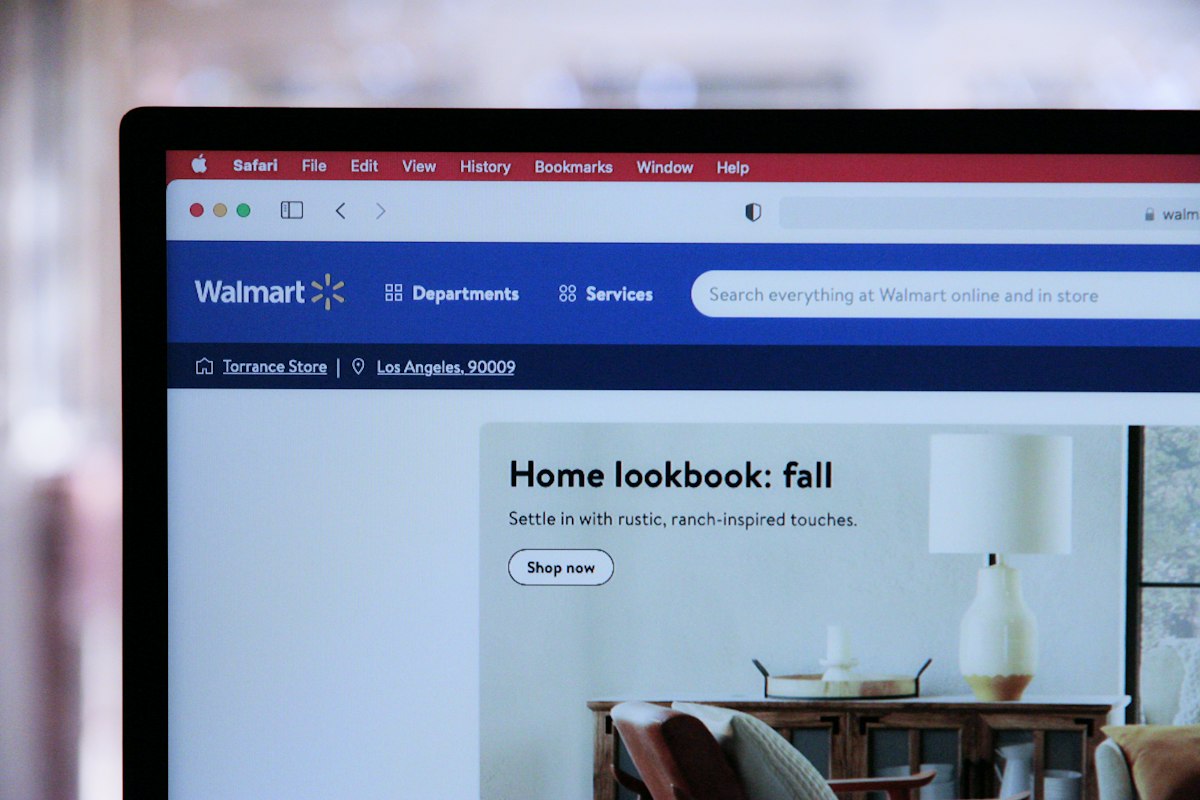
Walmart's drone delivery service just got a serious boost. They've teamed up with Wing and Zipline to expand it. The retail giant recently celebrated surpassing 1 million drone deliveries, operating from 66 stores across four states, and that milestone signals a clear bet on the technology's future. So by 2027, the company plans to grow that footprint to more than 270 Walmart stores, a leap that's both ambitious and carefully calculated. It's a big move. But they're not slowing down.
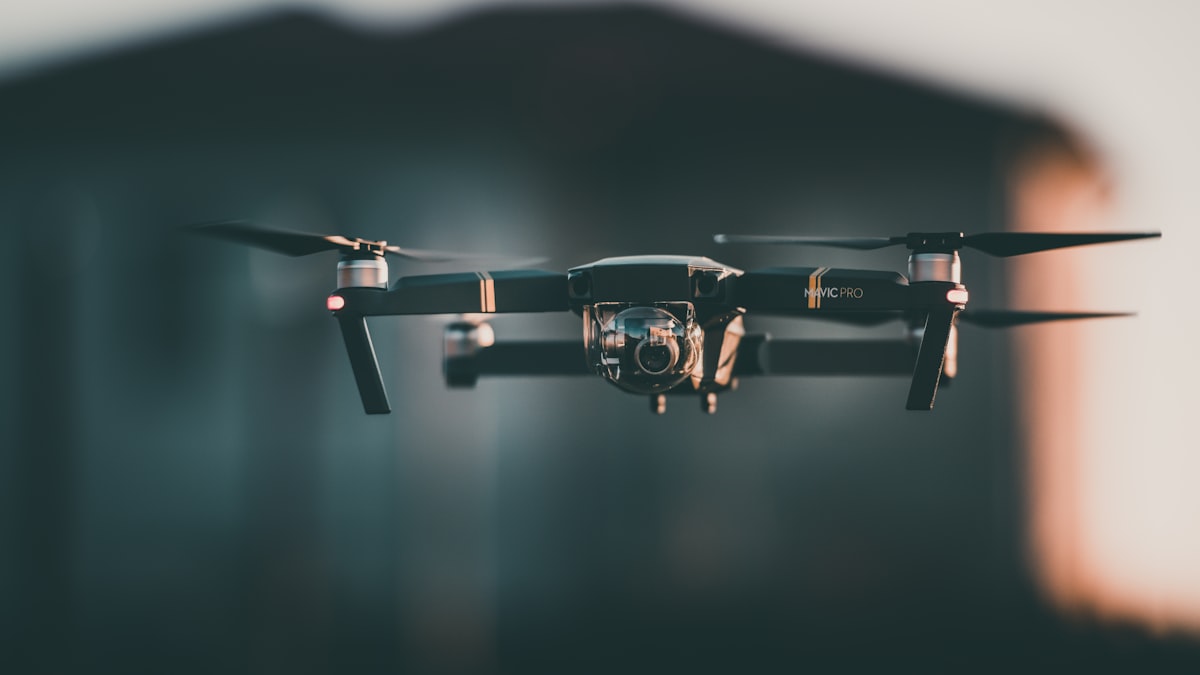
Zipline, which pioneered long-range drone deliveries of blood and medical supplies in Africa, announced a partnership with Uber aimed at scaling up to 1 million drone deliveries per day by the end of 2029. The company claims to have already completed more than 2.7 million deliveries worldwide.
DoorDash is getting in on the action too. In July, the delivery service announced it had received its FAA Part 135 certification to launch what it describes as DoorDash Air, though the company is still in the early design phase for its drone and operational planning.
What delivery drones can actually do
The pitch is straightforward: speedy deliveries within an hour, sometimes within minutes. These autonomous drones run on battery-electric power, which potentially means lower emissions and lower operating costs without adding more vehicles to road traffic for last-mile deliveries.
But there are real limitations. Delivery drones can only carry so much. Amazon describes its drones as handling nearly all items weighing five pounds or less that fit within a large shoebox. Weather is another constraint, with strong winds, heavy rain, snow, and extreme cold all capable of grounding operations.
Safety incidents have marked the expansion
The safety records across the industry are uneven.
Zipline appears to have the cleanest track record. That's despite flying its autonomous drones over 100 million miles combined. But it's the backup parachutes that really stand out, and those parachutes have proven genuinely useful on several separate occasions this year, specifically when individual drones ran into trouble while handling Walmart deliveries. So don't count them out.
Amazon Prime Air's operations have been bumpier. Several safety incidents have triggered investigations by the FAA and the National Transportation Safety Board. Two Amazon delivery drones crashed into a stationary construction crane in Tolleson, Arizona, in October 2025. Another drone took down an overhead Internet cable in Waco in November 2025. Federal investigations into those incidents are ongoing.
"We trained our algorithms; we felt pretty good, but we found in the real world the performance just wasn’t good enough, and let me tell you, that was a humbling experience," said David Carbon, vice president of Prime Air at Amazon, in a recording of an internal staff meeting in March that was obtained by CNBC.
The most recent incident occurred in February 2026, when a vertically ascending Amazon delivery drone collided with an apartment building before falling to the ground in Richardson, Texas.
Wing has had its share of trouble as well. A food delivery drone caught fire after landing on top of overhead power lines in Brisbane, Australia, in September 2022, forcing energy company Energex to temporarily shut down electricity service to about 2,000 people. A Wing drone fulfilling Walmart orders also crashed and burned on grassy ground in Kemah, Texas, in March 2026.
Noise complaints are the real sticking point
It's not the safety that bothers people most. The real complaint about delivery drones is the noise, plain and simple. But it's the persistence that grinds on you, the way residents describe hearing those machines buzzing over their houses multiple times a day, never letting the quiet settle back in. That's the kicker. They can't escape it.
Joshua Brent, a resident of Hazel Park, Michigan, put it bluntly in an interview with TV station WDIV:
"It’s the equivalent of a flying leaf blower, lawnmower 20 feet over my house, 50 times a day. My dogs lose their minds and get upset."
Reddit has become a gathering place for these frustrations. Multiple posts about delivery drone noise appear on community-focused subreddits, with many focusing on Amazon's drones specifically.
"Some days I hear them 5 or 6 times back and forth every 15 minutes," commented Reddit user Puzzleheaded_Belt740 in a subreddit for Royal Oak, Michigan. "They are so LOUD, it sounds like a small helicopter hovering."
Some residents have tried asking Amazon customer service to reroute drones around their houses, without much success. Others have filed noise complaints with the FAA.
It's altered the ambiance of our home more often than any actual street traffic in our neighborhood, wrote Reddit user le_artista in a subreddit for Richardson, Texas. That's the real problem. So a business gets to loudly disturb our home, unsolicited, unwanted, and with no apparent recourse to keep them out, and we can't do a thing about it.
The frustration hit a boiling point in June. Residents from several Richardson neighborhoods held a public protest over Prime Air noise, and their anger was unmistakable. So Amazon responded, pointing to its public outreach efforts before launching delivery drone services, then adding that it's willing to keep engaging with community concerns. But that didn't quiet the critics.
Privacy concerns linger alongside the noise
Some people worry about drones constantly flying or hovering over their backyards. "I was in my backyard sunbathing and had like 4 drones go over my house and felt super creeped out and ended up going inside," said Reddit user redheadjo8 in the Royal Oak subreddit.
Amazon has pushed back on these concerns, describing its delivery drones as using onboard cameras and sensors only for navigation, obstacle detection, and package drop-off, without tracking individuals or recording people's movements.
There's no live camera feed monitored by any person, according to an Amazon News article about the Prime Air service expansion. The drone processes its own onboard camera data. So it's the drone itself that handles safe navigation, and no human eyes are watching that footage in real time.
The FAA's latest data shows the total number of registered noise complaints and inquiries for drones is still relatively low compared to complaints about helicopters or fixed-wing aircraft. But that could shift as delivery drone operations continue expanding nationwide. The coming months will show how many people voice their concerns to local city councils or the FAA.
Tens of millions more people could soon have delivery drones buzzing overhead. But the real question isn't about the technology, it's about the people it lands on. How many will welcome the convenience? And how many will push back? We can't know yet.
Frequently Asked Questions
What is the scale of Amazon Prime Air's planned expansion by the end of 2026?
Amazon Prime Air plans to grow its drone delivery service sixfold, reaching nearly 500 cities and towns across the United States by the end of 2026. This expansion is described as a massive leap from its current operations.
Which specific metropolitan areas did Amazon announce for Prime Air delivery drone launches on August 19?
On August 19, Amazon announced it would launch the drone delivery service in Chicago, Cleveland, Atlanta, Syracuse, New York, and Boise, Idaho. These are among the new locations planned for expansion.
What are the main limitations of delivery drones mentioned in the article?
Delivery drones can only carry items weighing five pounds or less that fit within a large shoebox, as described by Amazon. Additionally, weather constraints such as strong winds, heavy rain, snow, and extreme cold can ground operations.
How have residents expressed their frustration about delivery drone noise?
Residents have voiced complaints on Reddit, with some describing the noise as like a flying leaf blower or lawnmower overhead multiple times a day. Others have filed noise complaints with the FAA, and in June, residents in Richardson neighborhoods held a public protest over Prime Air noise.
What is Amazon's response to privacy concerns about its delivery drones?
Amazon states that its delivery drones use onboard cameras and sensors only for navigation, obstacle detection, and package drop-off, without tracking individuals or recording movements. According to an Amazon News article, there is no live camera feed monitored by any person; the drone processes its own onboard camera data.

Liam Fitzgerald reports on gadgets, apps and the companies behind them. He tests new products and cuts through the marketing to tell readers what is genuinely worth their attention.
💬 Comments (0)
No comments yet. Be the first!