Russia Offers University Students Free Tuition, $70,000 to Become Wartime Drone Pilots
Russian universities offer free tuition and up to $70,000 for students to serve as wartime drone pilots, but one recruit has died.
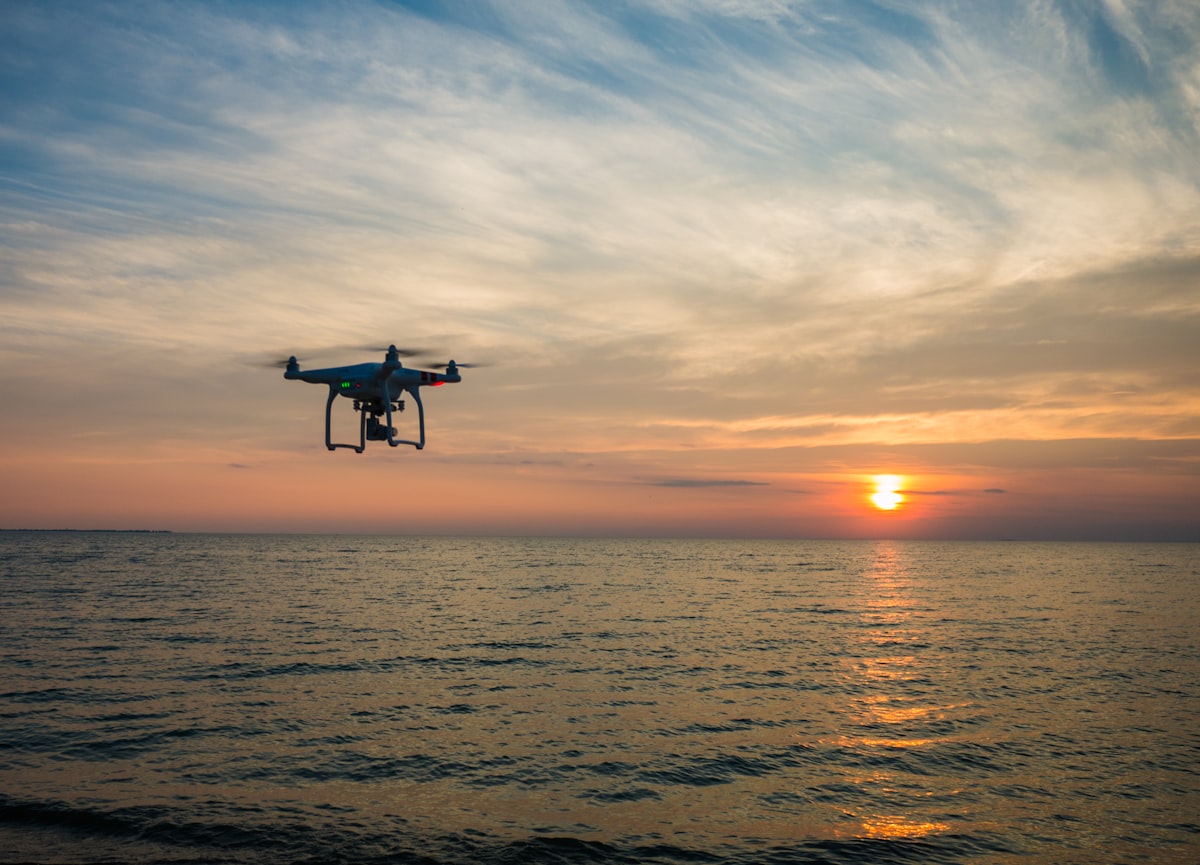
Wartime drone pilots are being recruited from Russia's university campuses with an offer that sounds more like a tech signing bonus than a military enlistment pitch: free tuition, tax holidays, loan forgiveness, and payments reaching $70,000 for a single year of service.
They're promoting military contracts. Pamphlets appeared at Bauman Moscow State Technical University, a prestigious engineering school, and the recruitment push has since expanded to at least 270 Russian academic institutions, according to a count by Groza per Ars Technica. And that's roughly one out of every few universities in the country promoting military contracts in the fifth year of a war that began with the full-scale invasion of Ukraine in February 2022.
The Pitch: Fly Drones, Skip the Trenches
It's seductive on paper. University students who sign up can serve as wartime drone pilots without risking their lives in the bloody infantry assaults that have defined much of the fighting. But the pamphlets suggest they'll operate unmanned aircraft from relative safety far from the trench lines and the fortifications where Russian casualties have been staggering.
But the reality is messier. Ukraine's Unmanned Systems Force commander described a 'kill zone' stretching 25 kilometers on both sides of the frontlines in a Ukrainska Pravda interview, and that zone means even drone operators behind the front aren't safe. So the distinction between combat roles collapses when the battlefield has no rear area.
Who Gets the Call
Russia's Defense Ministry has specific tastes. The ideal recruit has experience with drones, model aircraft, electronics, or radio engineering. Computer skills are listed as desirable. That makes the country's estimated 2 million male university students a natural hunting ground, particularly gamers and anyone with a technical background, according to Bloomberg reporting cited by Ars Technica.
The Kyiv Independent reports Russia's official target: 168,000 drone operators by the end of 2026. It's ambitious. But Moscow's using a university pipeline to fill that number, copying Ukraine's model which pioneered the world's first standalone military branch for unmanned systems in June 2024.
The Talent That Already Left
But the recruitment drive collides with a deeper problem. A research study found that 24 percent of top Russian software developers active on GitHub may have left the country within the first year of the war. The brain drain has not stopped. Chasing students into military drone units risks hollowing out what remains of Russia's educated technical workforce.
And the students themselves are not lining up.
"No one wants to join. No one is interested." , Andrey, a Russian university student, speaking to NBC News
The First Confirmed Death
Valery Averin died. The BBC's Russian-language service identified the 23-year-old Valery Averin as the first known fatality among the new student recruits who were trained as drone operators. But his adoptive mother, Oksana Afanasyeva, learned he'd been killed in a mortar attack on April 6 near the Russian-occupied city of Luhansk in eastern Ukraine.
He'd never served. But Averin trained on a drone for three months, and then, according to his mother, he was thrown into an assault role even though he'd never previously served in the army.
"The child had been training on a drone for three months, and now we're throwing him into an assault, into the meat grinder, someone who had never served in the army." , Oksana Afanasyeva, speaking to BBC News
Into the Meat Grinder
Elite university students are luckier. Since at least 2023, Russia's been pulling personnel from unlikely places. The space corporation Roscosmos began recruiting its own employees for a militia unit that year. And by early 2026, Russia had organized three motorized rifle regiments for frontline duty by stripping personnel from its Navy, Aerospace Forces, and Strategic Missile Forces, according to Euromaidan Press.
The waste of trained specialists has been documented in grimmer detail. In September 2024, a pro-Russian military blogger triggered a government investigation after alleging that Russian drone operators died when commanders "disbanded their specialized drone unit and committed them to a frontal assault," according to the Institute for the Study of War. Skilled wartime drone pilots were repurposed as disposable infantry when the front demanded bodies.
The Attrition Math
It's staggering. Behind these decisions, Russia has lost an estimated 1.3 million soldiers as battlefield casualties since February 2022, according to a NATO official cited in news reporting from February 2026. But Ukrainian casualties over approximately the same period were estimated at between 500,000 and 600,000, including killed, wounded, and missing.
They've abandoned armored vehicle assaults. But they've mostly done so in favor of advancing on foot, on motorcycles, and even on horseback, resulting in attritional attacks that gain tens of meters per day at best and often nothing.
Here is what the numbers look like on the ground:
- Russia aims to train 168,000 drone operators by the end of 2026
- At least 270 Russian universities are promoting military contracts to students
- An estimated 1.3 million Russian soldiers have become casualties since the invasion began
- Ukraine's casualties are estimated at 500,000 to 600,000 over roughly the same period
- The "kill zone" extends 25 kilometers on both sides of the frontlines
- 24 percent of top Russian GitHub developers may have fled the country in the first year of the war
A Stalled Offensive, a Closing Window
It's been mostly stalled. Recent battlefield assessments indicate Russia's spring-summer 2026 campaign against Ukraine's defensive lines has mostly stalled, and the Russian military's recruitment rate has dipped below the replacement rate for the first time in the war. But two developments have sharpened the problem: SpaceX cut off Russian forces' access to Starlink satellite Internet terminals, and Ukraine has begun using medium-range drone strikes beyond 20 kilometers to devastate Russian supply lines, hitting ammunition depots and fuel convoys far behind the front.
But it's no guarantee. The university recruitment drive for wartime drone pilots is desperation as much as ambition, with pamphlets promising safety and money, yet Valery Averin's family learned that no role in this war comes with a guarantee.
Frequently Asked Questions
What financial incentives are Russian university students offered to become wartime drone pilots?
The article states that students are offered free tuition, tax holidays, loan forgiveness, and payments reaching $70,000 for a single year of service. This recruitment package is promoted through pamphlets at Russian universities.
Why does the article suggest that the promise of safety for drone operators is misleading?
The article explains that Ukraine's Unmanned Systems Force commander described a 'kill zone' stretching 25 kilometers on both sides of the frontlines, meaning even drone operators behind the front are not safe. It states that the distinction between combat roles collapses when the battlefield has no rear area.
How does the university recruitment drive for wartime drone pilots connect to Russia's broader military manpower problems?
The article notes that Russia's recruitment rate has dipped below the replacement rate for the first time in the war, and the drive is described as 'desperation as much as ambition.' Additionally, Russia has lost an estimated 1.3 million soldiers as battlefield casualties, creating a need for more personnel.
Who was Valery Averin and what happened to him according to the article?
Valery Averin was a 23-year-old student recruit who trained as a drone operator for three months. His adoptive mother said he was thrown into an assault role and killed in a mortar attack on April 6 near the Russian-occupied city of Luhansk.
What is Russia's target number of drone operators by the end of 2026, and what challenges to that goal are mentioned in the article?
The article reports that Russia aims to train 168,000 drone operators by the end of 2026. Challenges include student reluctance ('No one wants to join'), a brain drain of 24% of top Russian GitHub developers, and the fact that skilled drone operators have been repurposed as disposable infantry.

Markus Heill writes about technology and the tools we use every day, from smartphones to the services that run in the background. He is interested in how good design makes technology easier to live with.
💬 Comments (0)
No comments yet. Be the first!