Plate Tectonics Oxygen: Earth's Air Explained
Plate tectonics oxygen: A study from Chengdu University of Technology suggests cooler subduction may have driven oxygen jumps.
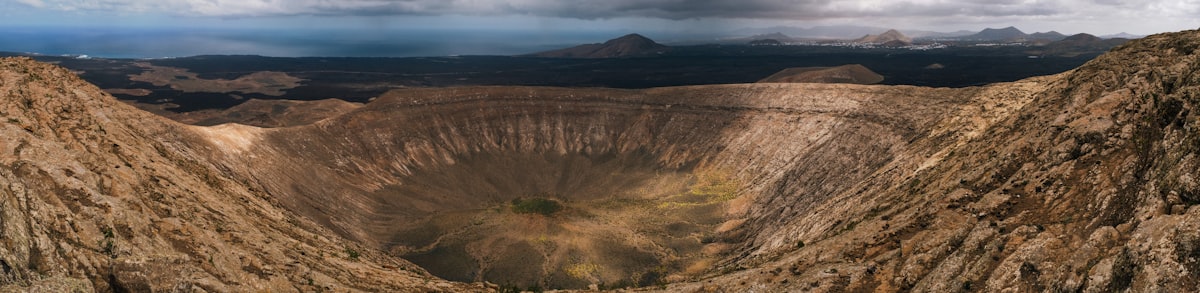
Most people don't think about it. But plate tectonics and oxygen are connected, and a new study suggests the breathing history of our planet is quite literally written in the rocks that vanish beneath our feet.
It's a perfect match. Wei Shi from Chengdu University of Technology, reported by Ars Technica, proposes that tectonic plates swallowed into Earth's interior over billions of years align almost perfectly with the timing of atmospheric oxygen jumps. So subduction changes controlled how much carbon and sulfur got locked deep underground, freeing oxygen to accumulate in the air.
The Great Oxygenation Puzzle
Earth's oxygen story is not a smooth upward curve. It happened in bursts. The first big one, known as the Great Oxygenation Event, kicked in around 2.4 to 2.0 billion years ago. Then things stalled. A second rise came between 800 and 500 million years ago. A third, between 450 and 250 million years ago, finally nudged the atmosphere to modern oxygen levels. Scientists have never settled on a single explanation. Photosynthetic life did the heavy lifting of producing oxygen, sure. But what stopped that oxygen from immediately reacting with other elements and vanishing?
Wei Shi's team looked to the solid Earth for an answer. Carbon and sulfur are both oxygen-hungry. They bond with it fast. If large quantities of carbon and sulfur stay near the surface, they scavenge oxygen as soon as it appears. If they get dragged deep into the mantle instead, the atmosphere gets a break. And what drags material deep into the mantle? Subduction. This is the hidden engine behind plate tectonics oxygen dynamics, and it has been running for billions of years.
Subduction's Hidden Chemistry
Here is where temperature enters the picture. Subduction is not a single, unchanging process. It has evolved as the Earth has cooled over 4.5 billion years. Early in its history, cold surface rock would have sunk through hot mantle in ways that look nothing like modern plate tectonics. The continents around us are long construction projects, so imagination is needed to picture what was present early on.
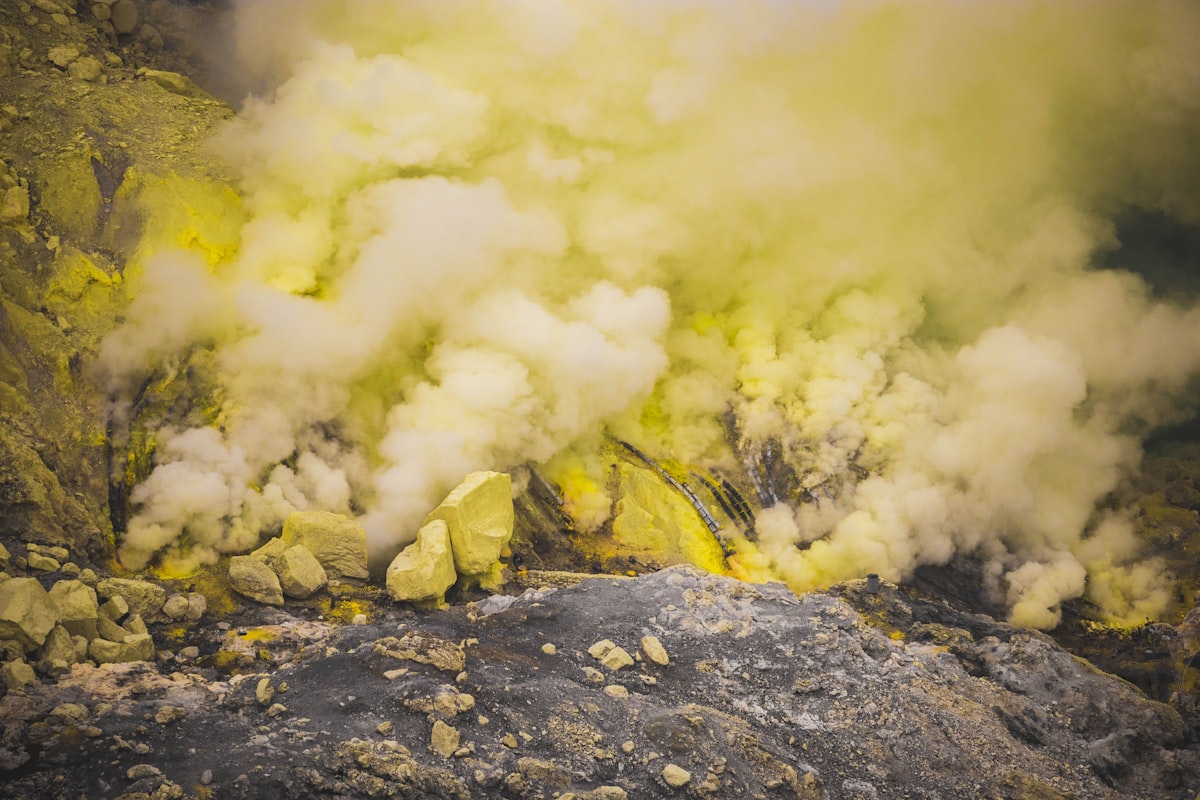
Why Hot Mantle Changes Everything
When the mantle was hotter, subducting plates didn't get very far, so carbon and sulfur hit high temperatures at shallow depths and were released quickly. The plate went down. But the volatiles came right back up through volcanoes and promptly bonded with any free oxygen in the atmosphere, creating a closed loop that kept oxygen levels suppressed. Net gain for oxygen: zero.
The Cool Subduction Switch
The mantle cooled. But something shifted. Cold, dense surface rock began to penetrate deeper into the interior before releasing its chemical cargo, and more carbon and sulfur stayed locked inside the descending plate, carried far beyond where volcanoes can't reach. The team compiled temperature and pressure information from ancient subducted rocks that later found their way back to the surface. They reconstructed a broad history of subduction conditions.
The data lined up in a way that is hard to dismiss. Lower-temperature subduction appeared between 2.2 and 1.8 billion years ago, right on schedule with the Great Oxygenation Event. It returned with dominance for the last 800 million years, covering the second and third oxygen jumps. The stretch in between, geologists note with characteristic understatement, is called the "Boring Billion." Not much happened. Subduction was sluggish. Oxygen levels stayed flat. The rhythm of plate tectonics oxygen burial appears to have paused almost entirely.
Supercontinents as the Trigger
But that framing misses something. The researchers argue that the assembly of Earth's first recognizable supercontinent, named Columbia, may have set the whole chain reaction in motion. Columbia rose. Erosion from its expansive landmass flooded the oceans with nutrients. Photosynthetic cyanobacteria bloomed in response, pumping oxygen into the water and sky. Then Columbia broke apart. And that breakup coincides precisely with the first emergence of lower-temperature subduction.
Suddenly the organic carbon that had accumulated in shallow waters around Columbia was riding subducting plates straight into the deep mantle, while the oxygen those cyanobacteria made stayed in the atmosphere. It won't return anytime soon. So the connection between plate tectonics oxygen release and supercontinent cycles started to look less like coincidence and more like clockwork.
What the Ring of Fire Teaches Us
Fast forward past the Boring Billion, past the formation and breakup of Gondwana and Pangaea, and the world starts to look familiar. Tectonic plate boundaries multiply. Subduction zones spread. The researchers point to today's Ring of Fire around the Pacific Ocean as a living example of the mechanism they describe. That horseshoe of subduction continuously hauls carbon and sulfur-rich sediments deep into the mantle, tilting the chemical balance in favor of atmospheric oxygen.
The team ran their subduction history through a basic chemical model and found they could roughly reproduce the timeline of Earth's oxygenation. It is not a perfect reconstruction. Biology and geology both have plenty more chapters to contribute. But the broad strokes hold up. Over and over, the timing of plate tectonics oxygen shifts matches the planet's breathing record.
"These processes all operated on top of the baseline defined by the net flux of carbon (and sulfur) between Earth's interior and exterior, which we argue was controlled by the evolving efficiency of cold subduction on a cooling Earth," the researchers write.
It's not just a gift. But it's also a consequence of continents colliding, splitting apart, and sliding into the abyss, and every breath owes something to the slow, grinding machinery of plate tectonics, and that gift came from ancient bacteria.
- The Great Oxygenation Event occurred about 2.4 to 2.0 billion years ago
- Lower-temperature subduction shows up between 2.2 and 1.8 billion years ago, matching the first oxygen jump
- A second oxygenation pulse came between 800 and 500 million years ago
- A third increase between 450 and 250 million years ago brought modern oxygen levels
- Low-temperature subduction dominates the last 800 million years, covering the second and third jumps
- The supercontinent Columbia's assembly and breakup may have triggered the chain of events
- The Ring of Fire today demonstrates the ongoing process of carbon and sulfur burial
Frequently Asked Questions
How do plate tectonics affect Earth's oxygen levels?
Plate tectonics drive the carbon cycle, regulating oxygen production through volcanic activity and rock weathering.
What is the connection between plate tectonics and the Great Oxidation Event?
Plate tectonics helped create continents and shallow seas where oxygen-producing cyanobacteria thrived.
Can plate tectonics explain why Earth has oxygen but other planets don't?
Yes, plate tectonics recycle carbon and nutrients, sustaining long-term oxygen production unlike stagnant planets.
How do subduction zones influence atmospheric oxygen?
Subduction buries organic carbon, preventing its oxidation and allowing oxygen to accumulate in the air.
What role do tectonic plates play in the oxygen cycle?
They control the balance between oxygen production via photosynthesis and consumption through geological processes.

Markus Heill writes about technology and the tools we use every day, from smartphones to the services that run in the background. He is interested in how good design makes technology easier to live with.
💬 Comments (0)
No comments yet. Be the first!