Packing Cubes: What Travelers Actually Need to Know
We tested dozens of packing cubes to find the best compression, budget, and carry-on options. Here’s what everyday travelers should know before buying.
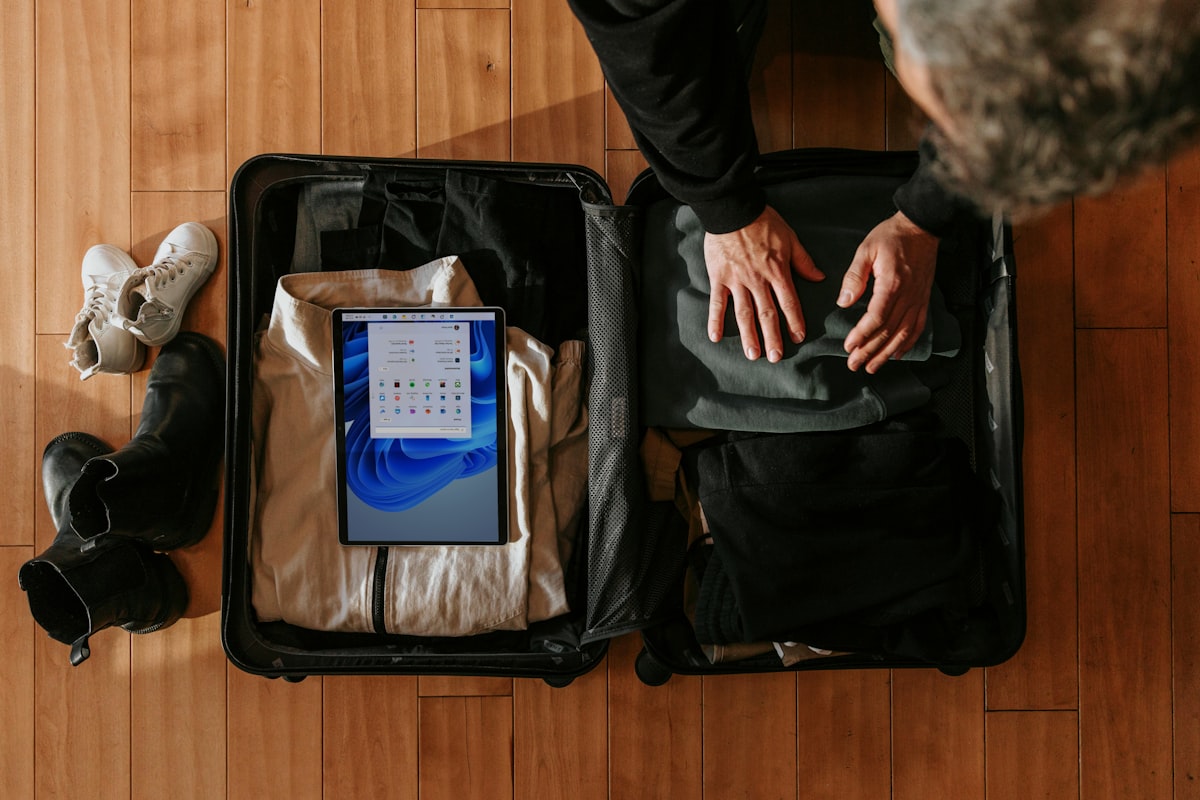
Packing cubes sat in my blind spot for over forty years. I knew how to pack. I could roll clothes tight enough to fit any carry-on. Why spend money on fabric boxes that just separate socks from shirts?
Then I bought a set. I will never go back.
That is the short version. The longer one involves TSA agents, muddy ski boots, and a hotel room unpacked in under a minute. Let me walk you through what actually matters when you are staring at a wall of mesh rectangles online.
The Truth About Compression
They Add Weight. Period.
Regular packing cubes add weight to your bag. Usually less than a pound. The r/onebag crowd will tell you that is unforgivable. If you are living out of a backpack for three weeks with four outfits, they have a point.
But that framing misses something. Compression-style packing cubes earn back their weight by letting you fit more in less space. The right set compresses bulky sweats into tidy little packages that slide into carry-ons without a fight.
"I wasn't sure the medium size would even fit one pair of pants, but it not only fit my bulkiest pair of sweats with ease, but compressed them down to a tidy little package."
What You Are Actually Buying
You are buying speed. You are buying privacy. You are buying the ability to hand a cube to your kid and say "this one is yours" without a suitcase explosion. Family travelers who color-coordinate cubes per person know exactly what I mean.
You are also buying protection. Dirt, sand, and mystery luggage stains stay on the outside. Your clothes arrive with fewer wrinkles. The cubes also shield your stuff from damage when bags get tossed around.
- Compression saves space on bulky items like sweats and sweaters
- Mesh windows let clothes breathe while keeping contents semi-private
- Water-resistant fabric protects against spills and dampness
- Labels and color coding make multi-person trips significantly easier
The TSA Test Nobody Plans For
"If TSA decides to go through your stuff publicly right next to the security line, they will only go through the offending cube instead of rifling through everything."
That happened to the WIRED reviewer. A suspicious-looking bottle of soda triggered a public bag search. Only one cube got opened. Everything else stayed neatly packed. That alone sells the concept for anyone who has ever repacked a disheveled suitcase on an airport floor.
Unpacking Becomes Optional
Here is a detail that changed my routine with packing cubes: you do not have to unpack at all. Cubes go straight from suitcase to hotel drawer. When it is time to leave, they go right back in. No folding. No reorganizing. Thirty seconds and you are done.
Which Set Deserves Your Money
The Top Pick: Eagle Creek Pack-It Reveal
$104 gets you the carry-on set that WIRED crowned as the best overall. Thick, sturdy fabric. High-quality zipper pulls. Just enough mesh for breathability without turning the cube into a display case. The bottom and back stay opaque. The large cube splits into clean and dirty sides. Water-resistant with a lifetime warranty. The catch: no labels and it is not machine-washable.
The Budget Standout: Bagsmart
$43 for a six-pack, often marked down to $25. That is hard to beat. Twenty-five color and pattern options. Handy label windows. Fine mesh that offers more privacy than the large-gauge holes on cheaper competitors. The sizes run rectangular, which is great for rolling clothes in rows but might annoy someone who wants more shape variety.
The Ultralight Contender: Peak Design
The smallest mesh cube weighs one ounce. Powernet nylon stretch mesh folds down to pocket size when not in use. Fair Trade certified. Bluesign-approved. You can attach a strap and carry it like a crossbody bag. The tradeoff: the cubes in the set run quite small. For anyone counting grams, this is your answer.
Should You Actually Buy These?
If you overpack, yes. If you travel with a duffel or backpack where clothes refuse to stay folded, absolutely. If you have ever watched a TSA agent handle your belongings in public, buy them tonight.
If you are a hardcore minimalist who measures luggage weight in grams, skip the compression sets and look at Peak Design's ultralight mesh option. One ounce per cube keeps the weight police off your back.
The WIRED guide was updated in May 2026 with new additions from Eagle Creek, Bagsmart, and FlipSide. Prices and links were current at that time. The bottom line has not changed: packing cubes solve real problems that rolling alone cannot fix. Once you use them, you will not go back either.
Frequently Asked Questions
What are packing cubes and how do they work?
Packing cubes are small fabric containers that help organize clothes by category, making packing and unpacking faster. Simply roll or fold items into each cube and stack them in your luggage.
Are packing cubes worth it for short trips?
Yes, even for weekend getaways, they save time by keeping outfits separate and reducing rummaging. You can quickly grab a cube without unpacking your whole bag.
What size packing cubes should I buy?
A set with small, medium, and large cubes covers most needs; use large for bulky items like jeans and small for underwear or toiletries. Check your suitcase dimensions to ensure a good fit.
Do packing cubes really save space?
They don't compress items but can help you pack more efficiently by eliminating wasted gaps. For true compression, look for cubes with a second zipper that squeezes out air.
How do I clean and maintain packing cubes?
Most are machine washable on a gentle cycle and air-dry quickly. Avoid bleach and high heat to preserve the zippers and fabric.

Chloe Dupont covers consumer technology, from the latest devices to the software shaping daily life. She focuses on how new tools fit into the real world and whether they live up to the promise.
💬 Comments (0)
No comments yet. Be the first!