Canon EOS R6 Mark III Review: A Serious Hybrid Upgrade
Canon EOS R6 Mark III hands-on: a 32.5MP sensor, 7K 60p video, and improved AF make it a serious hybrid upgrade.
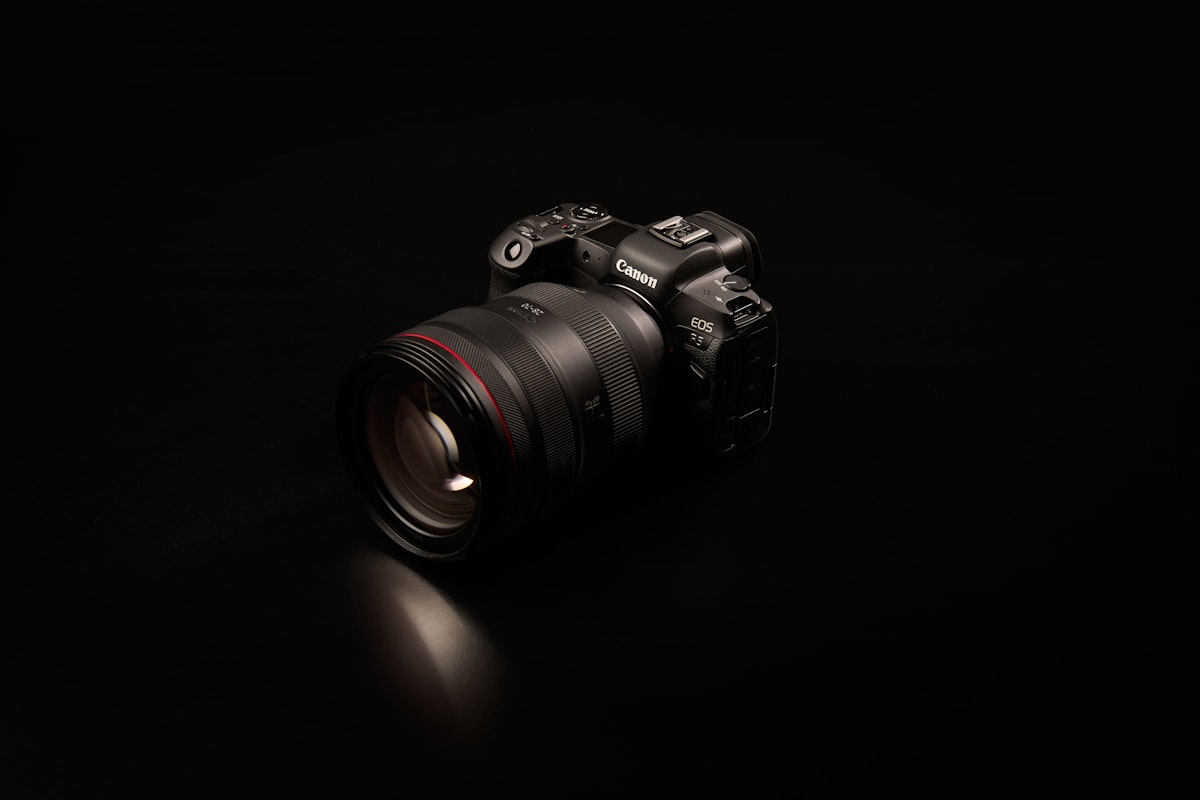
Canon EOS R6 Mark III arrived late last year, and it reshuffles what an entry-level full-frame camera is allowed to be. I have owned the Mark II since 2024, shooting tens of thousands of frames across weddings, landscapes, and commercial work. When the Mark III landed, I spent several weeks with a review sample, putting it side by side with my personal body. What I found was not a gentle refresh. Under a nearly identical shell, Canon rewired the shooting experience.
A Sensor That Finally Answers the Resolution Question
The Mark II's 24.2-megapixel chip was the biggest friction point in my daily use. Crop in hard, and fine details turned to mush. The Mark III jumps to 32.5 megapixels, a 34 percent bump that pulls the sensor from Canon's videocentric EOS C50. That number lands in what I would call the resolution sweet spot. You get room to crop without the lowlight penalty that usually haunts high-density chips.
I could not see a vast difference in noise to my eye. And honestly, with tools like Denoise in Photoshop now baked into editing workflows, additional grain does not carry the same dread it did a few years ago. The sensor feels balanced, a Goldilocks pick between detail and clean shadows.
Video Features That Borrow From the Cinema Line
This is where the C50 DNA shows its teeth. The Mark III pushes video to 7K 60p, with oversampled 4K at 60p and 4K UHS at 120p for slow motion. You also get 10-bit recording, C-Log 2 and 3, and Open Gate recording at up to 30p. The full-sized HDMI Type A port is finally here, a detail video shooters had been asking for. USB-C, 3.5mm headphone and mic jacks round out the physical connections.
While the Mark II used two SD card slots, the R6 Mark III now has one CF Express Type B slot and another for SD (up to SDXC UHS-II).
That CFexpress slot changes the camera's character. Canon kept the same Digic X processor from the Mark II, but the faster card path makes the whole system feel more responsive. Burst shooting clears faster. Menus snap. Video recording pushes past the Mark II's 4K 50p ceiling. On paper, the processor is identical. In your hands, the experience diverges sharply.
What Video Shooters Gain
- 7K 60p recording, oversampled 4K at 60p
- 4K UHS at 120p for slow-motion
- 10-bit internal recording with C-Log 2 and 3
- Open Gate recording at up to 30p
- Full-sized HDMI Type A port
Speed That Changes How You Shoot
Both cameras share 12 fps mechanical and 40 fps electronic burst rates, but the Mark III processes a third more pixels per frame at those speeds, and its Pre-Continuous Capture feature now grabs 20 full-resolution RAW frames from half a second before you press the shutter. Perch takeoff's dramatically easier. Wildlife, sports, and action photographers'll find this genuinely useful.
The M-Fn button now toggles Pre-Continuous Capture on and off. That alone is a workflow win. The button itself feels different. It is spongier, less clicky, and virtually silent. I found it slightly vague at first, harder to tell if I had pressed it or not. Wildlife shooters will adore the silence. Street photographers too.
Autofocus: Smarter, Not Just Faster
Dual Pixel AF II returns with an improved algorithm. Subject detection covers people, cats, dogs, horses, birds, cars, motorbikes, trains, and aircraft. Lowlight tracking works down to -6.5EV. In bright sun and dim indoor scenes alike, I never failed to find focus. One caveat: slower apertures, like those on the Canon RF 800mm f/11 IS STM or shooting at f/7.1 on the RF 100-500mm F4.5-7.1L IS USM, did slow things down. That is a lens limitation, not a camera flaw, but worth knowing.
The Mark III does not get the Digic Accelerator. That means no Action Priority Auto Focus, so contact sports like soccer, basketball, or volleyball will not benefit from the same predictive tracking found in the R5 Mark II or R1. But Canon did pull the Register People Priority feature from those higher-end bodies. You can register faces so the camera knows who to prioritize in a crowd. For weddings, this is quietly brilliant. Assign the bride and groom, and the camera keeps them locked even as guests drift through the frame.
The Body: Familiar, With One Glaring Omission
The design feels largely unchanged from the Mark II. That is mostly good news because the ergonomics were already strong. Hybrid Auto and Creative Filters disappeared from the mode dial, replaced by S&F for slow and fast motion playback. The dial is cleaner now, less cluttered with modes pros and enthusiasts ignore.
But Canon missed something critical. The mode dial still does not lock. On my Mark II, this has been a persistent annoyance. While using the dual-camera rig, the camera knocks against my waist and inadvertently switches modes. Imagine reaching for your body during a wedding ceremony's first kiss or a confetti exit, and the camera is suddenly in aperture priority instead of manual. That split-second delay can cost the shot. The Mark III carries the same vulnerability.
The EVF and LCD also carry over unchanged. The 3-inch, 1.62m-dot display tilts and flips, covering most angles, but there is no four-axis mechanism like the ones on competing bodies. Canon reserves top LCD screens for the R1, R3, and R5 lines, so the Mark III does not get one either. These are not dealbreakers. They are missed opportunities in an otherwise aggressive upgrade.
Where the R6 Mark III Sits in the Market
As reported by Wired, the advanced full-frame entry-level space is crowded. The Mark III goes up against the Sony A7 V with its 33 MP partially stacked sensor and four-axis touchscreen, the Nikon Z6 III with its 24.5 MP chip and 6K ProRes RAW, and the Panasonic S1 II with its built-in cooling fan and 5.7K RAW video.
- Sony A7 V: 33 MP, partially stacked sensor, four-axis LCD, broader lens ecosystem with third-party AF options
- Nikon Z6 III: 24.5 MP, strong video with 6K ProRes RAW
- Panasonic S1 II: Active cooling fan, 5.7K RAW, custom LUT support
Canon's RF mount remains closed to third-party autofocus lenses, a sore point since 2018. It still stings. But Sony's mount, by contrast, has deep support from Tamron, Sigma, and others, so if you already own RF glass this grievance is academic; if you're choosing a system from scratch it deserves real consideration.
The Mark III is for stills. So video-first shooters should look hard at the EOS C50, which shares much of the Mark III's internals and adds a cooling fan for extended recording. Budget-conscious buyers can still find the Mark II, which remains very capable, especially if you catch one before it's discontinued. The R8 and RP also sit below this tier for those who don't need the latest features.
If you are hunting for a do-it-all hybrid, there is not much this camera cannot do.
Frequently Asked Questions
What are the key improvements in the Canon EOS R6 Mark III over its predecessor?
The R6 Mark III features a higher resolution 30MP sensor, improved autofocus with deep learning, and 8K video recording capabilities.
How does the autofocus performance compare to the R6 Mark II?
It's significantly better, with faster subject tracking and enhanced eye detection for animals and vehicles, even in low light.
Is the Canon EOS R6 Mark III good for professional video work?
Yes, it offers 8K 30p internal recording, 4K 120p slow-motion, and improved heat management for extended shooting.
What is the battery life like on the R6 Mark III?
Battery life has been improved to approximately 700 shots per charge with the LP-E6NH battery.
Should I upgrade from the R6 Mark II to the R6 Mark III?
If you need higher resolution, better autofocus, or 8K video, it's a worthwhile upgrade; otherwise, the Mark II remains capable.

Liam Fitzgerald reports on gadgets, apps and the companies behind them. He tests new products and cuts through the marketing to tell readers what is genuinely worth their attention.
💬 Comments (0)
No comments yet. Be the first!