Backpacking Quilt Transformed My Backcountry Sleep
Backpacking quilt lessons from years of testing: why they beat mummy bags, how to pick a pad, and when a sleeping bag still wins.
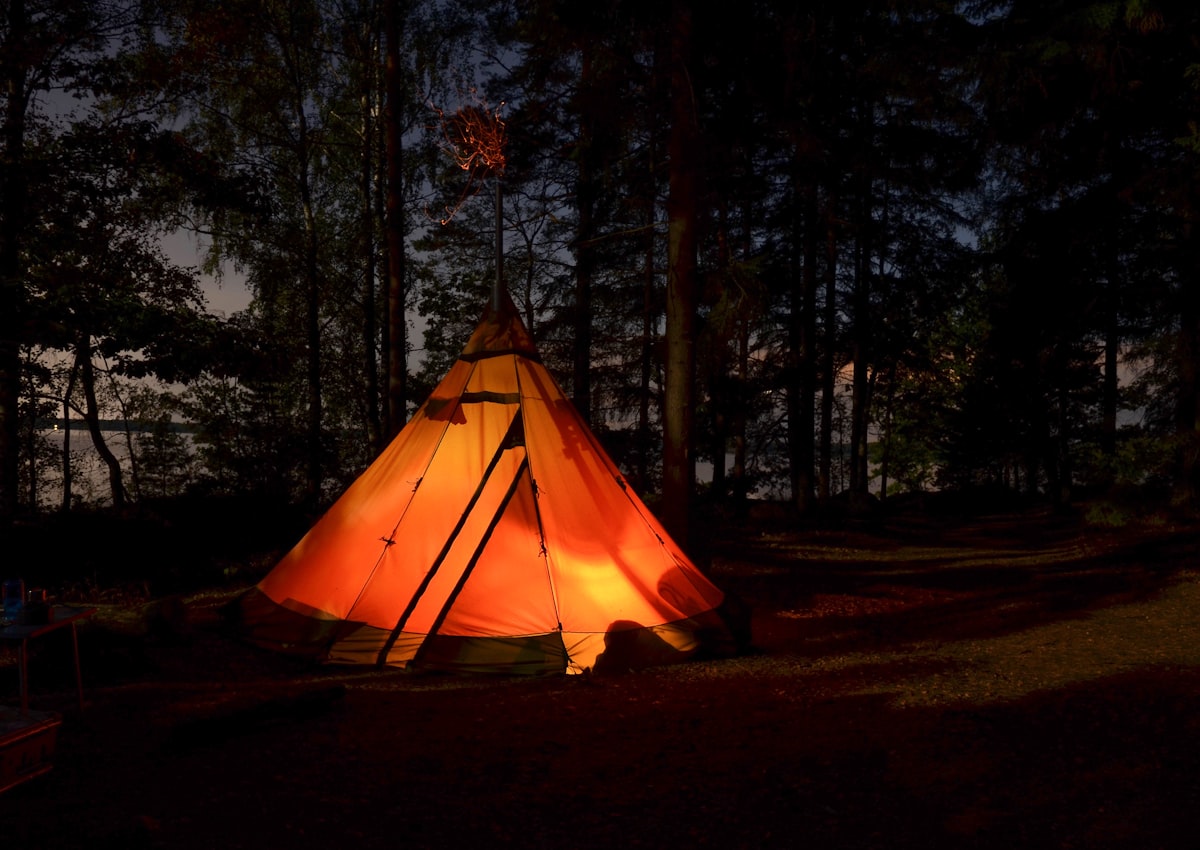
Backpacking quilts transformed my backcountry sleep. For years I believed all the best days started with the zipper of a sleeping bag, but lately I keep waking up to wonderful mornings without one in sight. As Wired’s gear reviewer Scott Gilbertson puts it, he’s “never coming back” , or mostly never coming back. What changed? A backpacking quilt, a piece of ultralight kit that thru-hikers and ounce-counting redditors have embraced, and one that solves a problem every mummy-bag user knows too well.
Mummified and Constricted
Backpackers call them “mummy bags” for a reason. They wrap you tightly, arms pinned, legs trapped, the hood cinched down until only your nose peeks out. At best they’re restrictive. At worst, suffocating. Gilbertson writes that he was primed to jump on the quilt bandwagon when it took off a few years ago, yet held back. It took time to shake what he describes as something like Stockholm syndrome , the acceptance of a sleeping system that never truly let him sleep the way his body wanted.
The turning point came when he finally unzipped a backpacking quilt and felt a layer of nylon and down floating on top of him instead of smothering him. The difference is more than philosophical.
A Quilt Is Not Grandmother’s Blanket
Forget patchwork heirlooms. A backpacking quilt uses the same ultralight nylon and down fill as a premium sleeping bag, but the critical design shift is that it's lying over you like a blanket instead of cocooning you entirely. Gilbertson calls this the burrito versus taco debate, with a sleeping bag as the burrito wrapping around you and a quilt as the taco with the warm tortilla draped on top. When you lie down in a traditional bag, your body weight compresses the down underneath, crushing its loft and rendering it useless as insulation. So why carry all that extra nylon and down beneath you?
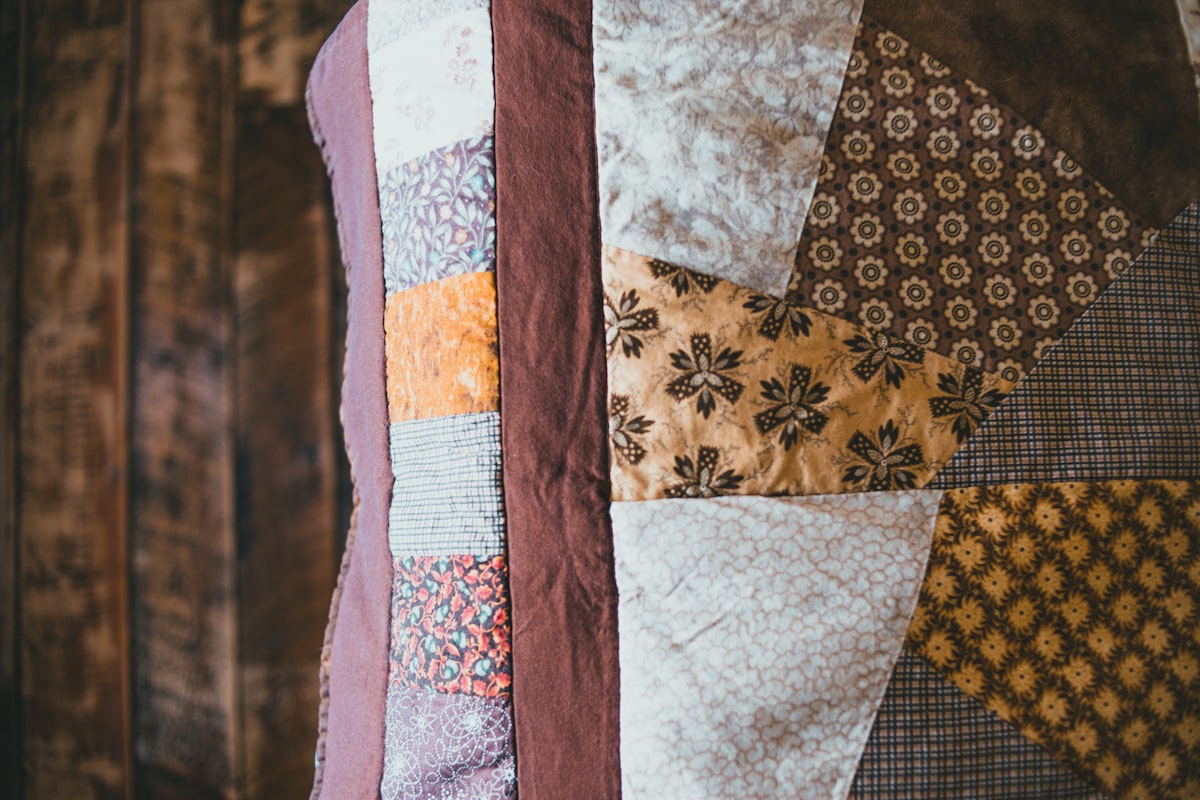
It's lighter. So the backpacking quilt strips away the bottom layer entirely and result is a smaller-packing system putting all insulation exactly on top of you, so weight savings alone is a huge draw for gram counters.
Why Ditching the Bottom Layer Works
Down works by trapping air. But compressed down traps nothing. In a sleeping bag, the fill you lie on becomes a cold bridge, but the quilt acknowledges that truth and relies entirely on your sleeping pad for insulation from the ground. This puts far more responsibility on the pad's R-value and surface texture, something Gilbertson learned quickly when bare skin met a crinkly ultralight pad, but a base layer solves that, and on warm nights it's bearable.
For summer camping he pairs a Therm-a-Rest Neoloft (R-value 3) with a quilt rated to around 20 or 30 degrees Fahrenheit and stays comfortable down to about 40 degrees. A puffer jacket extends that to freezing. For shoulder-season trips, the Exped Ultra 6.5R (R-value 6.5) keeps him toasty to 30 degrees with the same quilt and a puffy.
The Models That Won Me Over
Gilbertson tested quilts from Therm-a-Rest, Nemo, REI, Katabatic Gear, Feathered Friends, and Enlightened Equipment. He returns to a few. But Enlightened Equipment Revelation 40-degree quilt uses 850-fill-power duck down, weighs 22.5 ounces, opens completely flat for blanket mode on hot nights, cinches into a closed footbox with 20-inch zipper and drawstring when temperatures dip. Elastic straps pull it snug. It's made in the USA. And custom options for length, width, fill, and color start at $350.
He says it's possibly the best deal around. The REI Magma 30 Down Trail Quilt sells for less than $250 on sale several times a year, delivers similar warmth, and converts from quilt to near-sleeping-bag mode with a zippered footbox and drawstring. But the strap system isn't as refined. They're more like shoelaces. At 24 ounces for the long, wide version, the weight's competitive. So it proves that a capable backpacking quilt doesn't require a custom order and a waitlist.
Where a Sheet Makes the Difference
Then there's Zenbivy. The approach is less a standalone quilt than a sleep system, a quilt plus a sheet with a built-in hood and small wings that clip to the quilt to stop drafts. Gilbertson says the Zenbivy Light Bed is warmer than any other quilt he's tested because it kills drafts that straps alone can't beat. The 25-degree Convertible Light Quilt uses 800+ HyperDRY Duck Down, weighs 24 ounces, and adding the sheet with the 25-degree hood brings the total to 33 ounces. That's heavier. But the versatility justifies the burden. So in midsummer, leave the sheet at home and the weight drops back to 24 ounces. An Ultralight version shaves the quilt down to 17 ounces with a slightly different footbox, and the half-length sheet weighs 5 ounces.
“I have never slept better in the backcountry than in a Zenbivy bed.” , Scott Gilbertson, Wired
The Limits of a Quilt
No gear solves every problem. A backpacking quilt, by design, has no hood. That makes it draftier and, in identical conditions, colder than a sleeping bag. Gilbertson’s own threshold is around 15 degrees Fahrenheit, and even then only with a hooded quilt like Zenbivy’s -5-degree Light Bed. On one winter trip that hit the coldest night of the year ; minus 25 degrees Fahrenheit with brutal wind chill , he used the Zenbivy as a blanket over a 20-degree sleeping bag and stayed toasty. The takeaway is not that quilts fail in winter, but that eventually the burrito makes sense again.
What to Look For in a Backpacking Quilt
Through seasons of testing, a short checklist emerges from Gilbertson’s reporting:
- Footbox style: closed like a traditional bag, or open with a drawstring and fasteners. The latter converts to a flat blanket; Gilbertson strongly prefers it.
- Weight and packability: quilts typically weigh less than sleeping bags and compress smaller, a direct benefit of skipping the bottom insulation.
- Draft management: elastic straps help, but the Zenbivy sheet‑and‑clip system stops airflow more effectively.
- Pad pairing: since all insulation comes from the pad beneath you, look for a pad with enough R-value for the conditions. Gilbertson moves from R-value 3 in summer to 6.5 in shoulder seasons.
- Temperature comfort: a quilt will generally feel colder at its rating than a bag; plan on layering with a puffer or adding a hood if you push the temperature limit.
Give It a Try, Even if You’re Wary
Gilbertson understands the hesitation. The sleeping bag is an institution. So his advice: rent a quilt from REI and take it car camping with your trusty mummy bag as backup. You may find, as he did, for everything from midsummer sprawl to crisp fall mornings a backpacking quilt transforms the night, but just don't expect to be a burrito again when the weather is warm. The taco life, he's decided, is better.
Frequently Asked Questions
What is the main difference between a backpacking quilt and a traditional sleeping bag according to the article?
The article describes the difference using a burrito versus taco debate: a sleeping bag wraps around you like a burrito, while a backpacking quilt drapes over you like a taco. A quilt strips away the bottom layer entirely, so all insulation sits on top of you instead of being compressed underneath.
Why does a backpacking quilt save weight compared to a sleeping bag?
A backpacking quilt saves weight because it eliminates the bottom insulation that becomes useless when compressed by your body weight. The article states that in a sleeping bag, the fill you lie on becomes a cold bridge, so carrying that extra nylon and down beneath you is unnecessary. The result is a smaller-packing system that puts all insulation exactly on top of you.
How does the article recommend managing temperature limits when using a backpacking quilt?
The article advises pairing the quilt with a sleeping pad of sufficient R-value, as the pad provides all ground insulation. For summer camping, the author uses a pad with R-value 3 and a quilt rated to 20–30°F, staying comfortable to about 40°F; adding a puffer jacket extends that to freezing. For shoulder-season trips, a pad with R-value 6.5 keeps him toasty to 30°F with the same quilt and a puffy.
When would the article suggest using a traditional sleeping bag instead of a quilt?
The article notes that a backpacking quilt has no hood, making it draftier and colder than a sleeping bag in identical conditions. The author's own threshold is around 15°F, and even then only with a hooded quilt like Zenbivy's -5-degree Light Bed. The takeaway is that eventually the burrito (sleeping bag) makes sense again, particularly in extreme winter conditions.
Which backpacking quilt model does the article describe as 'possibly the best deal around'?
The article describes the Enlightened Equipment Revelation 40-degree quilt as 'possibly the best deal around.' It uses 850-fill-power duck down, weighs 22.5 ounces, opens completely flat for blanket mode, and custom options start at $350. The REI Magma 30 Down Trail Quilt is noted as a capable option that sells for less than $250 on sale.

Liam Fitzgerald reports on gadgets, apps and the companies behind them. He tests new products and cuts through the marketing to tell readers what is genuinely worth their attention.
💬 Comments (0)
No comments yet. Be the first!