Why Apple Watch's Screenless Rivals Are Winning the Next Phase
Apple Watch screenless rivals Whoop, Oura, and Google's Fitbit Air are redefining wearables as iPhone maker faces leadership churn and an Oura IPO.
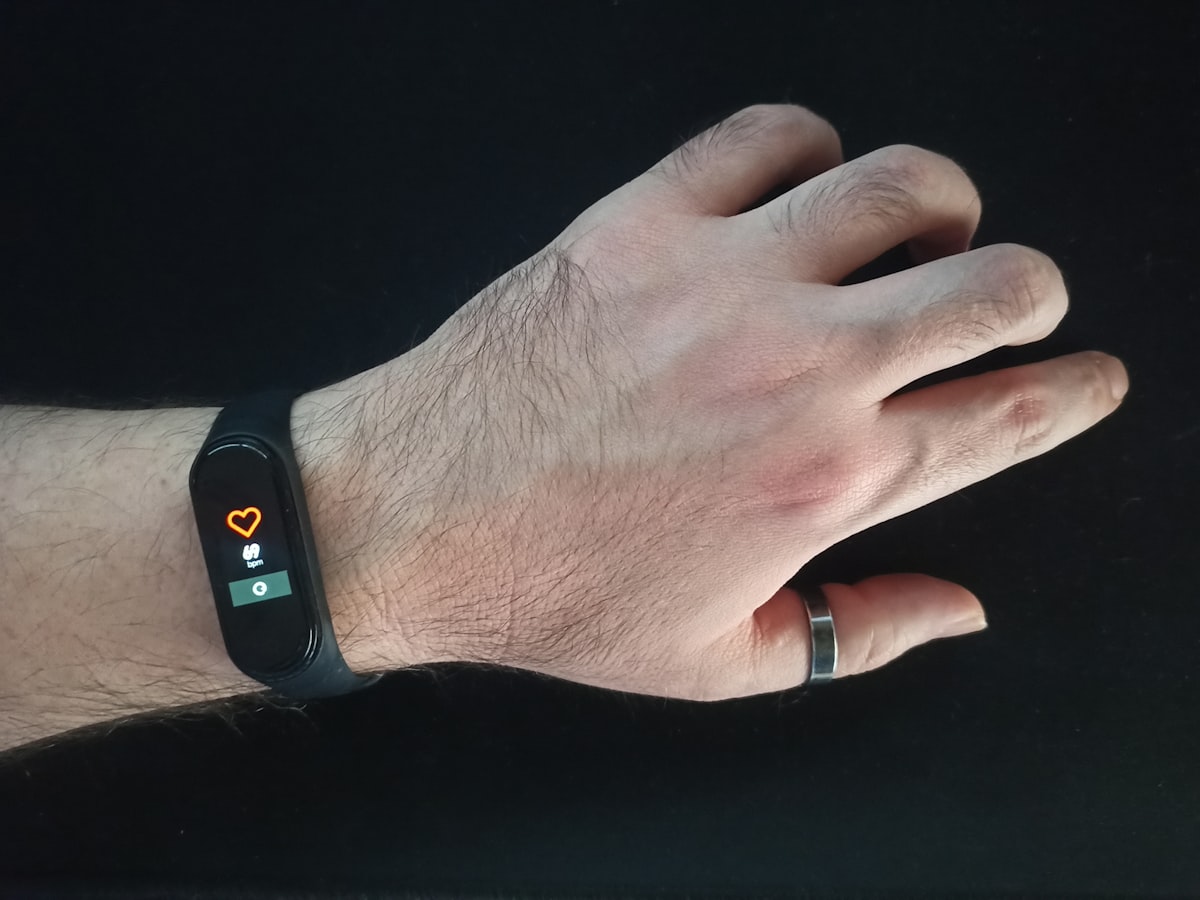
Screenless rivals reshape the market. The Next Web reported that Whoop, Oura, and Google's $100 Fitbit Air built multibillion-dollar screenless band and ring businesses for recovery, sleep, and passive health monitoring. The Apple Watch lineup loses momentum eleven years after it transformed the category. But for an industry valuing installed base and ecosystem stickiness, Apple's wearables signals suggest something deeper than a temporary sales dip: consumers prefer ambient, glanceable health data over the notification-heavy wrist computer Apple perfected.
The Screenless Shift No One Wanted to Admit
Strip away the marketing. The pattern is unmistakable. So consumer behavior is moving toward devices that don't compete for attention, and a growing number of users, the report notes, no longer want another screen demanding their focus. The Apple Watch generated an estimated $100 billion in lifetime sales, a staggering achievement, but that very success anchored the product to a screen-first interaction model. Meanwhile, screenless rivals have quietly captured a different kind of user: someone who tracks sleep, strain, and recovery without ever scrolling through a notification. This isn't a niche. It's a multibillion-dollar segment that Wall Street is now watching through Oura's confidential IPO filing.
Leadership Churn at a Critical Juncture
Read alongside the steady brain drain, the picture clarifies. Former COO Jeff Williams, who long oversaw health initiatives, retired last year. Tim Cook is stepping down as CEO in September. Fitness+ leader Jay Blahnik is leaving following litigation tied to management conduct. Health and Apple Watch marketing chief Stan Ng recently retired, and another senior marketing manager, Eric Charles, departed this month. Apple has also steadily lost health and hardware talent to Oura. The Next Web’s reporting makes plain that incoming CEO John Ternus wants to keep health central to Apple’s future, promising new services that combine hardware and AI. But the sheer volume of departures raises a strategic question: can an organization that ran largely on continuity suddenly shift its wearables approach while half the team that defined it walks out the door?
“It often feels less like a modern consumer platform and more like the experience of reviewing charts in a waiting room.”
They're in a different league. Bloomberg's Mark Gurman said that about competing apps from Whoop and Oura while describing Apple's Health app. But Apple's Eddy Cue, who uses both Oura and Whoop, pushed for broader health changes, and the Mulberry AI coaching service was scaled back recently after he took over Apple's health group. The company doesn't expect features from that project until later in the iOS 27 update cycle. For semiconductor investors and supply chain analysts, that timeline matters because it means the silicon and sensor pipeline built for the Watch today won't see a software-driven health overhaul for multiple release cycles.
What the Discounting Really Means
Apple's increasingly relying on promotions to drive Watch sales, Amazon and Best Buy've offered unusually aggressive discounts, and the device's been added to Apple's education store with direct discounts for the first time. It's a demand problem. These signals, rarely seen with Apple hardware, indicate a product line needing external stimulus to clear inventory, but more structural reading is Apple's pricing and feature set are misaligned with where health-conscious buyers now look. Whoop operates a subscription-first model without a screen, Oura's ring has an eight-day battery and no distractions, and Fitbit Air at $100 removes the dollar barrier entirely. So the competitive advantage of the Watch's display no longer maps cleanly onto the premium wellness category.
The Health Platform Nobody Loved
The problem is not sensors. Apple’s hardware teams have delivered reliable heart-rate tracking and incremental improvements that will arrive this year in watchOS 27, a release focused on stability and smaller refinements, not transformational leaps. The bottleneck is software and user experience. The Health app, despite years of investment, remains cluttered and clinical. It produces data points, not insights. For a company that built its reputation on intuitive interfaces, the Health app stands as an organizational blind spot. The scaling back of Mulberry suggests that even with executive urgency, turning raw biometric data into an AI-driven coach that consumers trust is a harder problem than internal roadmaps once assumed.
The IPO That Apple Let Get Away
The IPO filing was confidential. Oura, the Finnish smart ring maker, filed for it. But Gurman noted that Apple "probably should have acquired" Oura years ago, and now that company is going public as a direct competitor, which captures a strategic miscalculation. Apple's balance sheet could've absorbed a deal of that size without blinking. Instead, institutional caution kept M&A off the table, and a screenless health startup matured into a brand with the consumer trust and regulatory path that Apple itself once claimed as its own. Timing matters. The IPO process will bring a fresh wave of capital and scale to Oura just as Apple's wearables group navigates a leadership transition.
Where the Glucose Project Fits
It's the breakthrough. First conceived during the Steve Jobs era, it aims to detect elevated blood sugar without finger pricks. Oversight recently shifted from platform architecture chief Tim Millet to Zongjian Chen, an engineering leader known internally as someone who delivers. That transition is being read as a sign the work is finally progressing toward consumer-grade offering, and if Apple shrinks a non-invasive glucose sensor into a Watch or future wearable, the health narrative changes instantly. But the source article emphasizes the same institutional risk aversion that caused Apple to miss generative AI's showing up in wearables. The glucose project, however, is promising. It's now inside an organization that's been losing health talent and scaling back ambitious software bets.
The next phase will not be won by who has the brightest display. It will be won by who makes health monitoring passive, actionable, and screenless enough that users forget they are wearing anything at all. The Next Web’s report closes with a choice: Cook has said he wants Apple to be remembered for its contributions to healthcare, but the company now must decide whether it will build the screenless, AI-powered health device that the market is moving toward. If it does not, Whoop, Oura, and Google already will have.
Frequently Asked Questions
What are the primary reasons consumers are shifting towards screenless health devices?
Consumers are increasingly preferring ambient, glanceable health data over the notification-heavy wrist computer model perfected by Apple. Many users no longer want another screen demanding their focus, leading them towards devices that do not compete for attention.
Which companies are identified as 'screenless rivals' to the Apple Watch, and what kind of businesses have they built?
The article identifies Whoop, Oura, and Google's $100 Fitbit Air as key screenless rivals to the Apple Watch. These companies have successfully built multibillion-dollar screenless band and ring businesses specifically for recovery, sleep, and passive health monitoring.
Why is Apple increasingly relying on promotions for Apple Watch sales?
Apple is increasingly relying on promotions for Watch sales, seen through aggressive discounts from retailers like Amazon and Best Buy, and direct discounts in its education store. These signals indicate a demand problem, suggesting that Apple's pricing and feature set are misaligned with where health-conscious buyers are currently looking.
What are the current challenges with Apple's Health app and software experience?
The article states that Apple's Health app remains cluttered and clinical, producing data points rather than actionable insights for users. Furthermore, the scaling back of the Mulberry AI coaching service suggests that transforming raw biometric data into a trusted AI-driven coach is proving more challenging than internal roadmaps anticipated.
What significant leadership changes have occurred recently within Apple's health and wearables initiatives?
Apple has experienced significant leadership churn within its health and wearables initiatives recently, including the retirement of former COO Jeff Williams and health/Apple Watch marketing chief Stan Ng. Additionally, Fitness+ leader Jay Blahnik is leaving, and senior marketing manager Eric Charles departed, alongside Tim Cook stepping down as CEO in September.

Markus Heill writes about technology and the tools we use every day, from smartphones to the services that run in the background. He is interested in how good design makes technology easier to live with.
💬 Comments (0)
No comments yet. Be the first!