Anti-Vaccine Arguments Are Centuries Old—and Still Wrong
Anti-Vaccine Arguments have endured for centuries, from moral panic to false safety claims, says author Thomas Levenson.
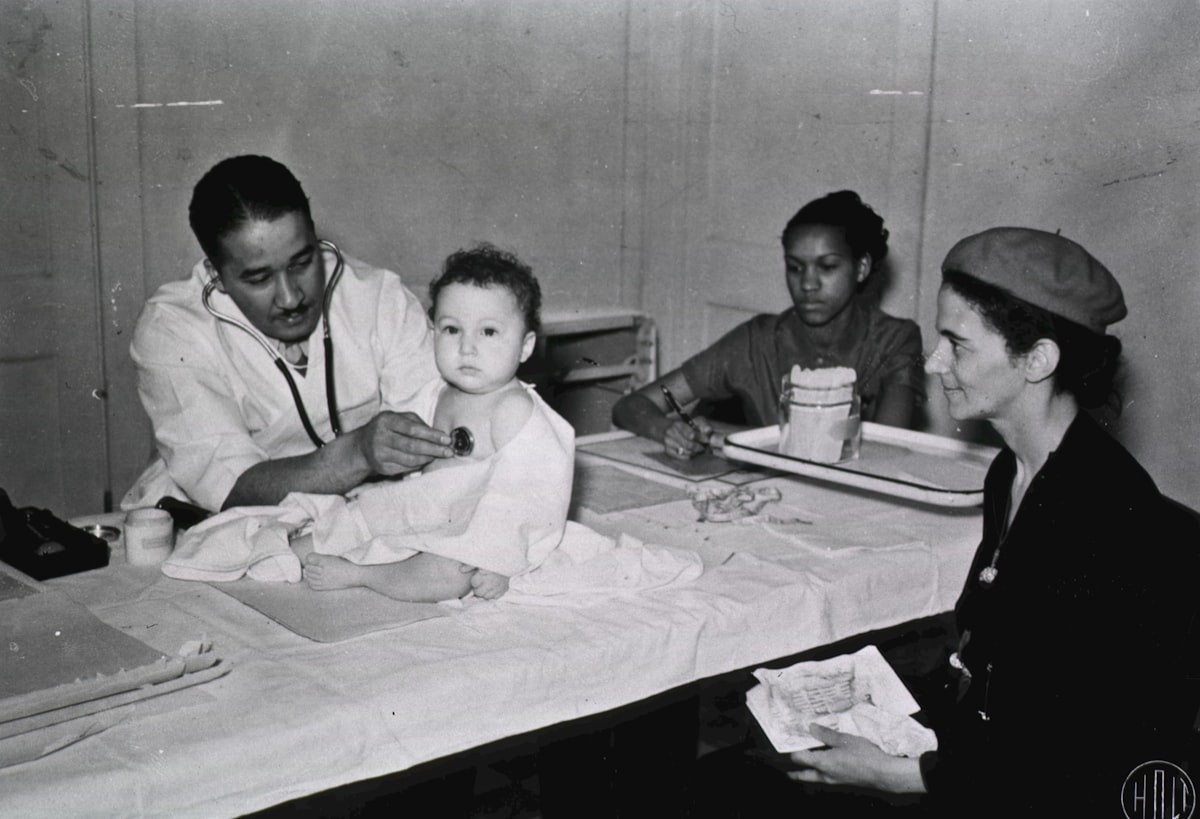
They're as old as inoculation. A new book, "A Pox on Fools" by Thomas Levenson, traces their stubborn lineage back to the early 18th century, but Stanley Plotkin, a 93-year-old developer of multiple vaccines, recently told the author he's beginning to regret having lived so long because we're going downhill, and his lament anchors a historical investigation that reveals just how little the core objections have changed over three hundred years.
Three Centuries of False Claims
Per Ars Technica, Levenson sorts people who drive vaccine rejection into true believers, grifters, and cynics, and their anti-vaccine arguments fall into three categories: claims vaccines are wrong, they are bad, and mandates are intolerable. They've long pedigree, fatal flaw.
- Vaccines are wrong because they upset a divine or natural order.
- Vaccines are bad because they are more harmful than the diseases they prevent.
- Vaccine mandates are intolerable because they violate personal bodily autonomy.
The Wrong Argument
In the early 18th century a handful of forward-thinking Westerners learned about smallpox inoculation from Ottoman women and an enslaved African, and at the time infectious disease was the leading cause of death. It's why lifespans were low. But in the 19th century roughly 40 percent of babies died of infection before age five, and if you survived childhood you'd likely live into old age, yet so many children died they dragged statistics down.
A Campaign Born in Crisis
When smallpox epidemics struck London and Boston in 1721, Lady Mary Wortley Montagu and Cotton Mather launched inoculation campaigns in their respective cities, and it's a crude method that involved taking pus from a mild smallpox pock, making a cut in the recipient's arm, and rubbing it in. But the backlash was immediate.
Inoculation's hubris and blasphemy. Critics insisted interfering with divine ordination morally wrong because only God decides, and Levenson notes subtext infectious disease was viewed as divine punishment for sin, a virtuous life was the only acceptable shield. But by the mid-19th century, Transcendentalists and Romantics simply swapped "nature" for "God", and this anti-vaccine argument remained intact. Vaccines became an affront to a "natural" life, with clean living promoted as sufficient protection.
The immense strides in public hygiene and sanitation curbed infections, extended lifespans, but clean living won't stop a pathogen as effectively as a vaccine, a claim ignoring nearly everything we know about microbiology and immunology. But it sounds compelling. Especially when modern life feels overwhelming and few people still recall the rows of child-sized coffins from the pre-vaccine era.
The Bad Argument
Robert F. Kennedy Jr. and his allies claim that our bodies can cure themselves and that vaccines are not just unnecessary but actively harmful, more so than the diseases they prevent. This anti-vaccine argument gains traction because the minor pains of vaccination are visible: a sore arm, a brief fever. The absence of children dying from preventable diseases is invisible. Due to spectacular success, we take that absence for granted.
The Safety Record After Three Centuries
Nothing in life is risk-free. This argument, too, appeared early when there was no data to refute it, and we've had tragic missteps during vaccine development and administration, but three hundred years of evidence now make clear vaccines are safe. Vaccines have caused serious adverse effects (but not autism) in specific populations. Certain vaccines are also unsafe for particular groups: infants, the elderly, or the immunocompromised. But that's not an argument for healthy people to skip them. It's precisely the reason healthy people should get vaccinated. By keeping circulating pathogen levels low, they protect those who can't receive the shots themselves, and the concept of herd immunity remains one of the strongest rebuttals to the bad anti-vaccine argument.
The Intolerable Argument
But it's philosophical, not biological. The final objection has nothing to do with whether vaccines work or are safe, and this anti-vaccine argument targets mandates and the tension between individual freedom and collective responsibility.
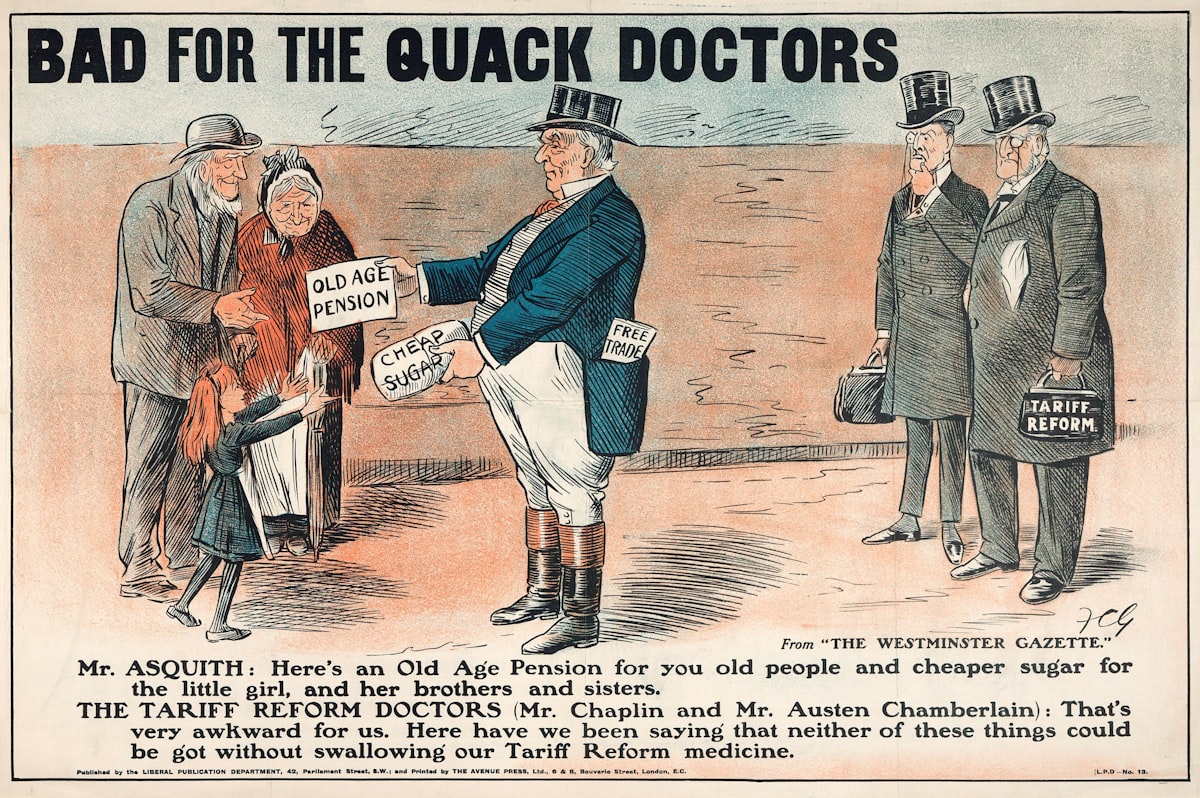
The landmark Supreme Court case Jacobson v. Massachusetts captures this clash. During a smallpox epidemic in 1901, Boston and Cambridge enacted vaccine mandates. Jacobson refused, arguing that "a compulsory vaccination law is… hostile to the inherent right of every freeman to care for his own body and health in such way as to him seems best." The majority disagreed. The Constitution, they ruled, does not grant absolute license. Our liberties are constrained to protect everyone's rights.
Justice John Marshall Harlan summarized: "Liberty itself, the greatest of all rights, is not unrestricted license to act according to one’s own will. It is only freedom from restraint under conditions necessary for the equal enjoyment of the same right by others."
Herd immunity wasn't named yet. The court's reasoning rested on germ theory, and so refusing vaccination endangers those around you while your bodily autonomy must be limited because insisting upon it infringes on everyone else's right to health and life. But facts and figures about lives saved will never counter the cry that "the government can't tell me what to inject into my kid." The only possible appeal is to solidarity, to the obligations each of us owes to others in a shared society. That sense of solidarity, however, isn't thriving in the United States right now.
What’s Changed in 300 Years?
These anti-vaccine arguments have been wielded for as long as vaccines have existed. But two critical differences mark our era. First, three centuries ago, those who claimed vaccines were ineffective or harmful could be forgiven for thinking they had a point. Today, we have germ theory explaining exactly how vaccines work and mountains of data showing infection and death rates plummet after vaccine introduction. We know better.
The second shift is political. As Ars Technica reports, Levenson notes that anti-vaccine arguments are now predominantly touted by Republicans. In his book, he writes that "being a Republican has become a measurable risk factor for illness and death." Levenson, who directs the Graduate Program in Science Writing at MIT, maintains a measured tone throughout, but his anguish is palpable. He fears that Robert F. Kennedy Jr.'s lies and policies will lead to children being sickened and dying from diseases we have the tools to prevent.
Frequently Asked Questions
What are the three main categories of anti-vaccine arguments identified in the article?
The article states that anti-vaccine arguments fall into three categories: claims that vaccines are wrong (because they upset divine or natural order), claims that vaccines are bad (more harmful than the diseases they prevent), and claims that vaccine mandates are intolerable (because they violate personal bodily autonomy). These categories have persisted for three centuries.
Why did critics in the early 18th century oppose smallpox inoculation?
Critics in the early 18th century opposed smallpox inoculation because they saw it as hubris and blasphemy, interfering with divine ordination. They believed that only God decides who lives or dies, and infectious disease was viewed as divine punishment for sin, so a virtuous life was the only acceptable shield.
How does the article refute the claim that vaccines are more harmful than the diseases they prevent?
The article refutes this by noting that three hundred years of evidence make clear vaccines are safe, and while vaccines have caused serious adverse effects in specific populations, that is precisely why healthy people should get vaccinated. By keeping pathogen levels low through herd immunity, they protect those who cannot receive the shots themselves.
What was the outcome of the Supreme Court case Jacobson v. Massachusetts?
In Jacobson v. Massachusetts, the Supreme Court ruled that the Constitution does not grant absolute license and that liberties are constrained to protect everyone's rights. Justice Harlan summarized that liberty is not unrestricted license but freedom from restraint under conditions necessary for the equal enjoyment of the same right by others.
Who is Robert F. Kennedy Jr. according to the article, and what does he claim about vaccines?
According to the article, Robert F. Kennedy Jr. and his allies claim that our bodies can cure themselves and that vaccines are not just unnecessary but actively harmful, more so than the diseases they prevent. The article also states that author Thomas Levenson fears Kennedy's lies and policies will lead to children being sickened and dying from preventable diseases.

Chloe Dupont covers consumer technology, from the latest devices to the software shaping daily life. She focuses on how new tools fit into the real world and whether they live up to the promise.
💬 Comments (0)
No comments yet. Be the first!