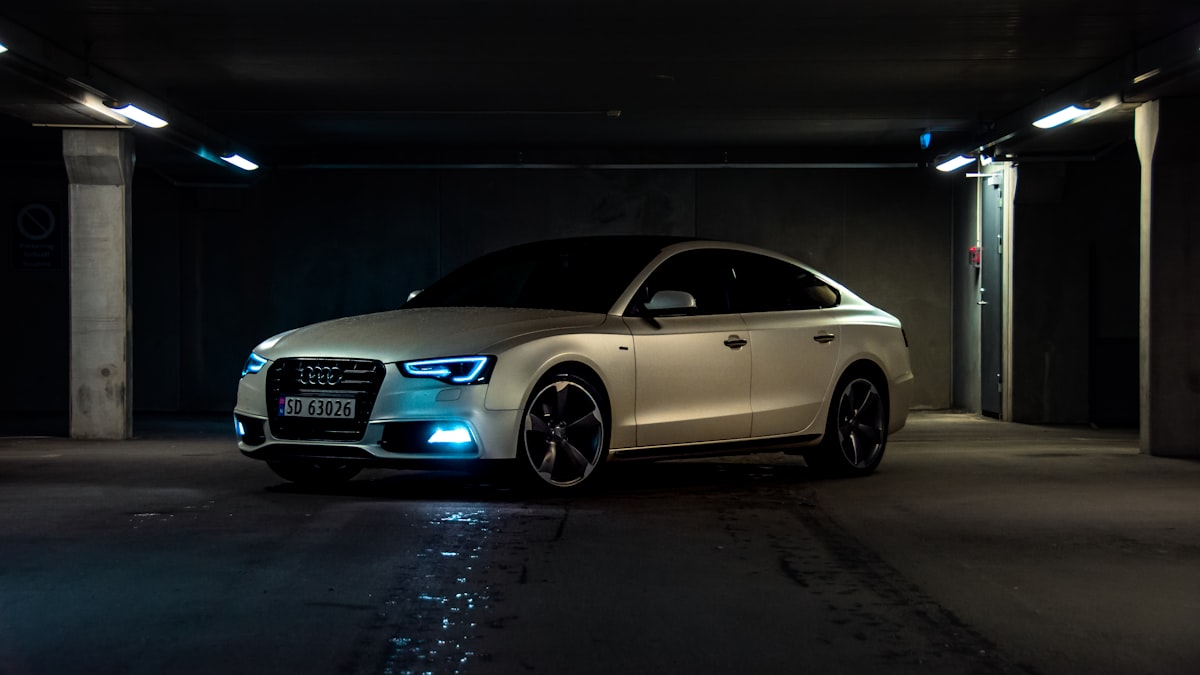
I Drove the 2027 Audi RS5 PHEV. It Has Split Personalities
The 2027 Audi RS5 PHEV pairs a 502-hp V6 with a 174-hp motor, 50-mile range, and a diff that makes it a calm cruiser or track star
The 2027 Audi RS5 PHEV pulled hard out of a rain-soaked corner in the Austrian Alps, its turbo V6 and electric motor humming a duet I hadn’t heard before. In Comfort mode, the car felt like a heavy, all-wheel-drive vault, utterly unflappable on a road slick with late-May snow. Hours later, on a dry track with the drive selector twisted to RS Sport, that same chassis turned into a rear-axle hooligan that I could balance on the throttle through every slide. The split personality isn’t a flaw. It’s the whole point.
A Turbo V6 and a 174-hp Electric Motor
The internal combustion half is a brand-new 2.9-liter V6 in a hot-vee layout with turbochargers nestled between cylinder banks, and Audi Sport's engineers shortened air intakes and used a modified Miller cycle for efficiency. It's got 502 horsepower. Torque's 442 pound-feet, a 60-hp jump over the old engine while using 20 percent less fuel; it's mated via an eight-speed ZF automatic to a 174-hp electric motor that contributes 639 pound-feet alone. And a 22-kWh net (25.9-kWh gross) lithium-ion battery sits under the cargo floor, pushing the RS5 about 50 miles on electricity alone.
- 2.9 L twin-turbo V6: 502 hp, 442 lb-ft
- Electric motor: 174 hp, 639 lb-ft
- Combined output: 630 hp, 609 lb-ft
- Battery pack: 22 kWh net, ~50 miles of EV range
- AC charging: 11 kW, 2.5 hours to full
Both work. But it delivers full 630-hp punch, more than the RS6 Avant that stole my heart not long ago, though with a tiny bit less twist, and the hybrid sound's unusual. Electric whines and hums are layered over the usual induction and exhaust notes.
Dynamic Torque Control Drops the Hydraulic Clutches
It's electric now. Instead of the hydraulic clutch packs found in earlier RS models, the rear axle gets a new Dynamic Torque Control setup with an 8-kW electric motor and a set of planetary gears that replace the hydraulics entirely. But the Quattro system's center differential can still shift power from a 70/30 front-to-rear split all the way to 15/85. The motor lives on one side of the axle and spins a sun gear that works through the planets to add or subtract torque at each half shaft, and it can move up to 1,475 pound-feet of torque across the axle or fall back to a clean 50:50 split.
The entire mechanism reacts in 15 milliseconds. That’s fast enough to dial in neutrality or provoke oversteer completely depending on the drive mode.
How the Differential Torque Split Works
Power from the electric motor hits a sun gear on the opposite side, which engages the planetary gears and then a fixed sun gear connected to an open differential. By speeding up or slowing down the ring gear relative to the half shaft, the system pushes more torque to one wheel or returns it equally. No hydraulic fluid. No clutch wear. Just an electric motor and some brilliant planetary trickery.
On the Road, the RS5 Hides Its Mass
5,180 pounds is heavy. But the twin-valve dampers manage the heft well, so in Balanced or Comfort mode the ride's almost serene, and the steering weights up in Dynamic but never truly transmits road texture. And because the hybrid system still routes electric torque through that eight-speed automatic, kicking down a couple of gears can make the throttle response feel a tick slower than you might expect from something electrified. Still, none of that hurt the car's composure when I drove through slush and rain on summer tires.
The battery didn't run dry. Ars Technica’s test route handled afternoon neglect from press cars, and the system clawed back energy whenever it could so the 50-mile pack kept both halves of the powertrain awake all day.
“Dare I say it, had I just driven the RS5 on the road, I would have left a little underwhelmed and missing that playful character that Audi Sport knows how to imbue in its models.”
On the Track, the Personality Flips
Find an empty circuit and dial the car into RS Sport. The timid road manners vanish. The rear differential suddenly wants to rotate the car, so a small lift of the throttle on corner entry and a touch of power make the tail step out in a long, soft arc, and it's absurdly easy to catch and hold even with stability control dialed back rather than fully off. And the brakes juggle regen and friction smoothly, leaning on the electric motor first for efficiency and only calling in the physical stoppers when necessary.
That split character isn’t just a gimmick. It means you get a comfortable daily driver that can handle sloppy weather and then turn into a drift machine when you feel like burning through a set of Pirellis.
Inside, Alcantara Wins, But the Avant Loses
The cabin delivers everything you expect from an RS car, including carbon trim, checkered-flag OLED taillights, and puddle lamps that project the RS5 logo. But I'd pick the Alcantara steering wheel over the dimpled leather, even though the suede can get grimy over time. Rear-seat space is usable. And cargo volume sits at 11.7 cubic feet behind the rear seats or 41.3 cubes with them folded.
Battery Range and Charging Speed
No DC fast-charging exists. The 22-kWh pack accepts up to 11 kW on AC hookup, takes two and half hours to refill, and that's typical for PHEV, but in real-world driving, 50 miles of EV range covers most commutes. And the car constantly scavenges kinetic energy to keep electrons in the battery.
The Avant We Still Want
Audi of America hasn’t locked in final pricing, but a base figure around $100,000 is the working estimate before options. Sales start next year. The bigger disappointment is that there are still no official plans to send the RS5 Avant station wagon to the U.S. Then again, as Ars Technica learned in a recent interview with Audi CEO Gernot Döllner, American dealers successfully lobbied to bring the RS6 Avant. The same could yet happen for this one.
Frequently Asked Questions
What is the 2027 Audi RS5 PHEV's powertrain?
It combines a twin-turbo V6 with an electric motor for a total output of 630 horsepower.
How does the 'split personalities' driving experience work?
In EV mode, it's silent and efficient; in RS mode, it delivers explosive performance with a synthetic engine sound.
What is the electric-only range?
Audi claims an EPA-estimated 45 miles on a full charge.
How fast is the 0-60 mph time?
It rockets to 60 mph in just 3.2 seconds in RS mode.
What are the key design changes from the previous RS5?
It features a wider grille, matrix LED headlights, and a new rear diffuser with integrated exhaust tips.

Chloe Dupont covers consumer technology, from the latest devices to the software shaping daily life. She focuses on how new tools fit into the real world and whether they live up to the promise.
💬 Comments (0)
No comments yet. Be the first!