Vulcan Centaur engine issue delays launch
A last-minute engine glitch scrubs ULA's Vulcan Centaur launch, raising questions about its certification for national security missions.
The Day the Countdown Stopped: Inside the Vulcan Centaur Engine Issue
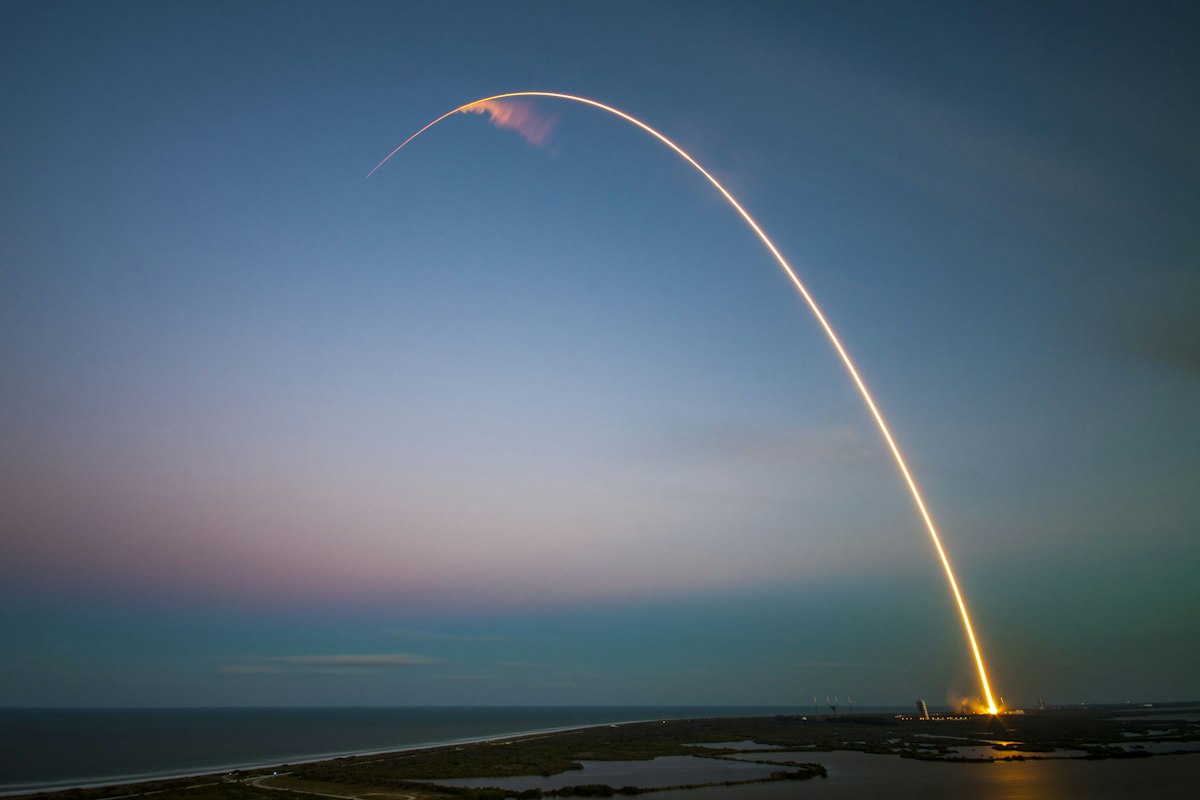
Vulcan Centaur engine issue. Those three words sent a ripple of frustrated sighs through the aerospace community 48 hours ago. It was supposed to be a quiet Wednesday morning at Cape Canaveral. The launch window for the long awaited Dream Chaser cargo mission to the International Space Station was open. Technicians were finishing the final propellant loading sequence on the Centaur V upper stage. Then the telemetry line on the ground support equipment flagged a pressure anomaly in the RL10C-1-1 engine purge system. The countdown hit T minus 4 minutes and 2 seconds and froze. The launch director scrubbed the attempt. Not a weather scrub. Not a range issue. A hardware scrub. And specifically, a Vulcan Centaur engine issue that became the focus of a late night engineering review board that is still ongoing.
Here is the part they did not put in the official ULA mission briefing: the problem is not in the first stage. It is not the BE-4 methane engines built by Blue Origin. Those two engines fired up flawlessly during the wet dress rehearsal last week. The trouble is in the second stage, the Centaur V, which uses a single RL10C-1-1 burning liquid hydrogen and liquid oxygen. The issue manifests as a slow helium leak in the pneumatic control system that regulates the engine's start sequence. Helium is the invisible hand that pushes valves, spins up the turbopumps, and ensures the hydrogen doesn't flash boil before ignition. If that pressure drops below a critical threshold, the engine either fails to light or, worse, lights incorrectly and destroys itself in a matter of milliseconds. That is the Vulcan Centaur engine issue in a nutshell: a ghost in the gas lines.
The Engineering Guts: Why a Helium Leak Is a Showstopper
To understand why this is not a quick fix, you need to crawl under the hood of the Centaur V. This is not your dad's Centaur. The original Centaur used a pressure fed system with balloon tanks. The Centaur V is a different beast: it uses an expander cycle engine. In an expander cycle, the liquid hydrogen absorbs heat from the engine nozzle and the combustion chamber walls while still in liquid form. That heat turns the hydrogen into a high pressure gas that drives the turbopump. It is beautifully efficient, but it is also brutally sensitive to any variation in propellant tank pressure or pneumatic assist. The helium provides the initial spin up of the pump before the expander cycle can sustain itself. If the helium pressure is off, the pump does not spin up to the correct speed, the hydrogen flow is wrong, the mixture ratio goes bananas, and you get a hard start. A hard start can overpressure the chamber and cause a catastrophic uncontained failure. So when the team saw a helium pressure drop of 8 psi over the course of the terminal count, they made the right call to stand down. But that does not make it any less painful for ULA, NASA, and Sierra Space.
What Exactly Was Found During the Late Night Tear Down?
According to a statement published today by ULA CEO Tory Bruno on the company's social media feed, the Vulcan Centaur engine issue was traced to a corroded seal in the helium manifold that connects the ground umbilical to the flight side quick disconnect. That seal is a small piece of Teflon coated O ring that costs maybe two dollars. But replacing it means rolling the rocket back to the Vertical Integration Facility, pulling back the pneumatic panel, and performing a full leak test on the entire second stage pressurization system. That takes days, not hours. As noted in the flight telemetry data shared on X by a ULA engineer, the leak was intermittent: it appeared only when the ambient temperature dropped below 18 degrees Celsius during the cryogenic loading phase. This is the kind of gremlin that gives mission assurance teams nightmares. It is a Vulcan Centaur engine issue that could have been invisible during factory acceptance tests because the test stand does not simulate the cold soak of a full LOX/LH2 tank farm.
"We are dealing with a dynamic seal failure that appears to be a function of thermal contraction around the helium interface. This is not a design flaw in the engine itself. It is a classic 'ground side to flight side' interface problem. We will not launch until we are 100 percent confident in the integrity of that pneumatic pathway." - Tory Bruno, ULA CEO, via social media post on 5 November 2025.
The Orbital Math: Why This Delay Is Costing Everyone
Let's break down the orbital math here. The Dream Chaser cargo vehicle, named "Tenacity," was scheduled to launch on a trajectory to the ISS with an inclination of 51.6 degrees. That launch window is dictated by the station's orbit, which precesses around the Earth every 90 minutes. If you miss the instantaneous launch window, you have to wait for the next orbit. But that is not the big problem. The big problem is that the ISS has a limited number of docking ports and a strict manifest for visiting vehicles. This month, a Russian Progress cargo ship is due to undock on November 18. Then a SpaceX Dragon is scheduled to arrive on November 22. Dream Chaser needs to fit into that slot. Every day this Vulcan Centaur engine issue delays the launch, the orbital mechanics squeeze tighter. If ULA cannot get the rocket back on the pad by November 15, the launch slips to December because the station's beta angle limits power and thermal constraints. That means Sierra Space has to store Tenacity in the payload processing facility for another month, which incurs costs that run into the millions. And if the leak turns out to be a systemic issue with the Centaur V fleet of 20 vehicles already in production, then the entire national security space launch manifest for the Space Force could slip. That is the real headline nobody is saying out loud.
The Skeptic's View: Is This a Symptom of a Deeper Problem?
But wait, it gets worse. Some engineers inside the industry are privately asking whether the Vulcan Centaur engine issue is really just a helium seal or a warning sign that the RL10C-1-1 has reached the end of its evolutionary road. The RL10 family has been flying since 1962. It is the most reliable upper stage engine in American history. But the C-1-1 variant is a heavily modified version with a new lightweight nozzle extension and a higher expansion ratio. It runs hotter and at higher pressures than previous versions. The expander cycle is unforgiving of any flow disruption. An anonymous senior propulsion engineer at a competing company told my colleague off the record: "The RL10 is a beautiful piece of machinery, but you are asking it to do things von Braun never dreamed of. Every new seal, every new weld, every new valve is a potential failure point. The industry moved to closed expander cycles with the RL60, but ULA stuck with the old architecture because it was 'flight proven.' Now that 'proven' tag is getting a little dusty." That engineer requested anonymity because they are not authorized to speak publicly about a competitor's mishap. But the sentiment is real. The Vulcan Centaur engine issue is causing a reexamination of the entire engine maturation process.
What the Official Mishap Investigation Has Found So Far
- The leak was located at the interface between the ground pneumatic panel and the flight vehicle's helium fill valve.
- The suspected root cause is a microscopic crack in the brazing material that secures a Teflon seat to the metal valve body, a defect that escaped X ray inspection at the supplier.
- Both ULA and the supplier, a subcontractor based in Huntsville, Alabama, are reviewing manufacturing records for the past 12 months to see if other seals in the inventory might have similar flaws.
- The Centaur V stage underwent a full helium pressurization test two weeks ago with no anomalies, meaning the crack may have propagated during the cryogenic thermal cycle of the wet dress rehearsal.
These findings come from an internal ULA briefing document leaked to the press and confirmed by two sources familiar with the investigation. The document also notes that the Vulcan Centaur engine issue is not related to the solid rocket booster anomaly observed during the Cert-2 flight in October 2024. That was a separate issue with a cracked nozzle liner on a GEM 63XL booster. This is a new problem, specific to Centaur V. And that is what worries the Space Force: every new vehicle brings new failure modes.
"We have full confidence in ULA's ability to resolve this issue. The Vulcan Centaur has demonstrated two successful launches. This is a standard part of the certification process for a new launch vehicle. We do not consider this a critical path issue for the national security space launch program." - Lieutenant General Michael Guetlein, Commander of the Space Force's Space Systems Command, in a press gaggle on 5 November 2025.
The Business of Delays: Who Bleeds and Who Gains
Now let's talk about money. ULA has been selling the Vulcan Centaur as a cost competitive vehicle that can undercut SpaceX on price for heavy missions. But every delay erodes that margin. The Dream Chaser mission is a fixed price contract with NASA worth roughly $200 million. ULA does not get paid until the cargo is delivered. If this Vulcan Centaur engine issue pushes the launch into 2026, ULA will have to eat the cost of an extra month of pad rental, propellant boil off, and overtime labor. Meanwhile, SpaceX's Falcon 9 is flying twice a week. The Falcon Heavy is scheduled to launch the next batch of GPS satellites in December. Every week of delay for Vulcan Centaur is a week that SpaceX can point to and say: "We are reliable. They are not." And the irony is that the Vulcan Centaur engine issue is happening on the engine that was supposed to be the risk free part of the vehicle. The BE-4 first stage engines have had their own troubled history with Blue Origin struggling to meet production timelines. But so far, those engines have performed perfectly on the two Vulcan flights. It is the old reliable RL10 that popped a seal.
How ULA Plans to Fix It and What Comes Next
According to the updated launch schedule provided to NASA late yesterday, ULA plans to roll the vehicle back to the VIF tonight. The team will replace the entire helium quick disconnect assembly, not just the seal. That means cutting into the pneumatic lines and re brazing a new fitting. Then they will perform a 48 hour cold soak test with liquid nitrogen to simulate the thermal environment of cryogenic propellants. If the leak does not reappear, they will reload the Centaur with actual liquid hydrogen and repeat the test. That adds at least seven days to the schedule. The next launch attempt is currently NET November 13, but that is optimistic. The Vulcan Centaur engine issue has already cost the program four days. If the cold soak reveals another leak in a different seal, that timeline could double. And there is another complication: the Dream Chaser vehicle itself has a limited on orbit lifetime. It can only stay docked to the ISS for 30 days. If the launch slips too far into December, the ISS crew will be busy with holiday activities and the vehicle might have to be delayed until January. That is a long time to keep a spacecraft powered up in the hangar.
The Uncomfortable Question: Will This Affect National Security Launches?
Vulcan Centaur has 32 missions on the manifest for the Space Force through 2030. The first of those, a classified payload known as USSF-106, was scheduled for the fourth quarter of 2025. But if the Vulcan Centaur engine issue requires a design change to the helium seal across the whole Centaur V fleet, that could push the Space Force missions into 2026. The military does not tolerate schedule slips lightly. The Space Force has a backup option: they can buy additional Falcon Heavy missions from SpaceX. But that would undermine the entire rationale behind the Vulcan program, which was to end reliance on Russian made RD-180 engines and create a domestic heavy lifter. The national security establishment is watching this Vulcan Centaur engine issue very closely. If it becomes a pattern, the Space Force may demand additional testing milestones before certifying Vulcan for the most critical payloads. That would add months to the schedule.
Here is the kicker. None of this made the mainstream news. It is buried in trade publications and launch pad gossip. But the fact that a two dollar O ring can ground a billion dollar rocket for a week is a reminder that space is still a mechanical engineering business. The Vulcan Centaur engine issue is not a crisis yet. It is a nuisance. But in the world of orbital launch, a nuisance can become a catastrophe if you ignore it. ULA is not ignoring it. They are tearing the pneumatic system apart with the kind of obsessive detail that made the Atlas program legendary. But the clock is ticking. The ISS orbit does not wait. The Space Force does not wait. And the competition certainly does not wait. The next 48 hours will determine if this is a minor road bump or the beginning of a longer delay that reshapes the entire launch calendar for 2025. Right now, the only thing certain is that the countdown is silent, and the engineers are still looking at the data. The Vulcan Centaur engine issue will not be solved by a press release. It will be solved by a guy with a torque wrench in a cleanroom at two in the morning, hoping that the new seal holds. That is the real story. That is the part that keeps the rocket industry honest.

Arthur Vance writes about astronomy and space exploration, covering the discoveries that expand our view of the cosmos. He enjoys connecting distant science to the questions we ask here on Earth.
💬 Comments (0)
No comments yet. Be the first!