Trump Announces US Space Academy
President Trump signed an executive order to create the US Space Academy, a new national academy under NASA's jurisdiction.
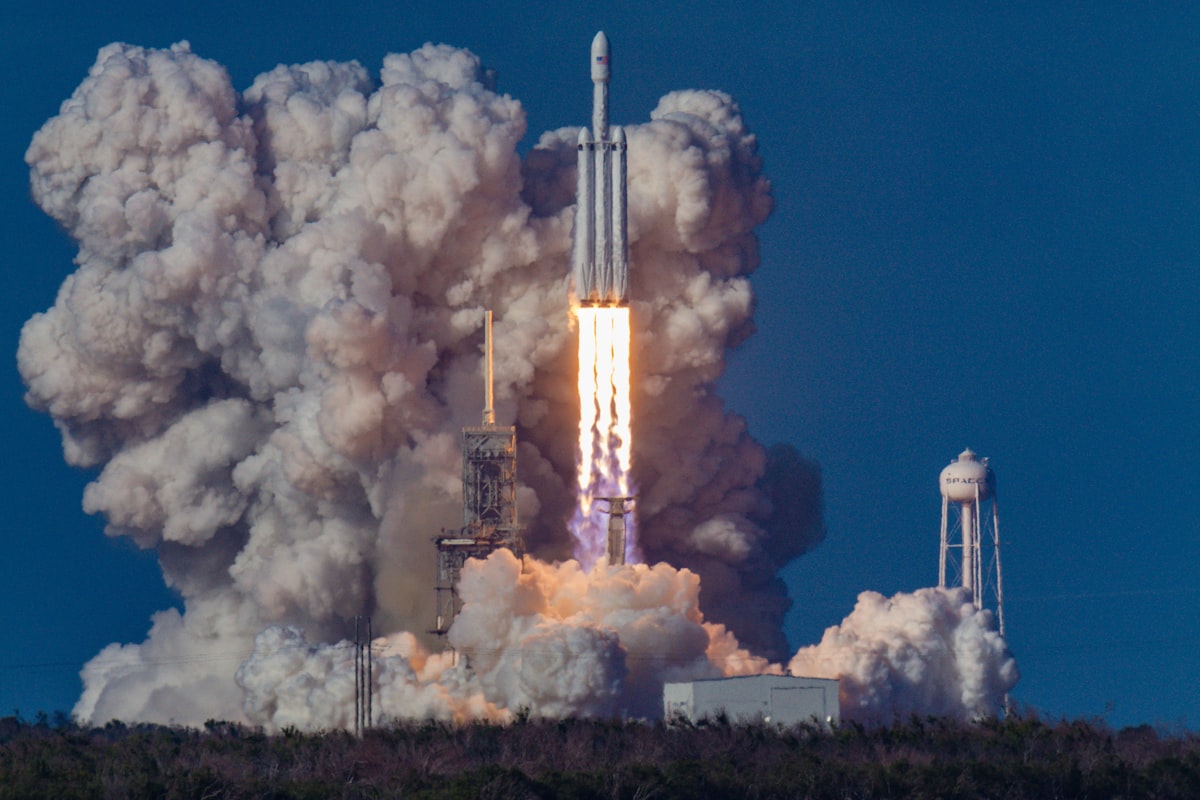
Trump Signs Order to Create US Space Academy
The US Space Academy is now officially on the books. During a visit to Johnson Space Center on Friday, President Trump signed an executive order establishing a commission tasked with creating the first national space academy, a move that could reshape how America trains its next generation of aerospace leaders.
“It’s clear that we will need to educate and train an entire generation of skilled service members, engineers, and civil operators, and everything else to do what we have to do,” Trump said. “I will sign an executive order to begin the process of creating a new national academy. It’s called the US Space Academy. That’s a big deal.”
The timing was deliberate, tying the academy directly to the broader push for American space dominance, a push that now carries the weight of a presidential signature and the nation's renewed ambitions beyond low Earth orbit. But the ceremony itself took place in Houston, where Trump awarded the Congressional Space Medal of Honor to all four astronauts who flew on Artemis II earlier this year. That's a big deal. It's not just a ribbon and a handshake, it's a statement about who owns the high frontier, and they're making sure everyone knows it. So we've got a medal, a mission, and a message.
What the Academy Actually Is
Here's the key detail: the US Space Academy is not a military service academy. It's a civilian institution, at least in structure. But it would fall under NASA’s jurisdiction, and it isn't intended to train officers for the armed services the way the Air Force Academy does. So don't confuse the two.
That distinction matters. The academy is being spearheaded by NASA Administrator Jared Isaacman, who included the concept in his Project Athena plan to revamp US civil space efforts. The ambition is to build a top-tier educational institution with free tuition. In exchange, graduates would commit to several years of service.
Where would they serve? Graduates get a choice. They can go into the US Space Force, but the majority of slots are earmarked for NASA and civilian positions, according to people familiar with the project. That’s a notable split, and it raises questions about where the line between civil and military space actually gets drawn.
The Curriculum and Structure
The academy idea is still in its formative stages, but the early outlines suggest a broad technical focus. Likely curricula would cover:
- Human and non-human spaceflight operations
- Ground control operations
- Space vehicle design
- Orbital debris mitigation
- Related disciplines
The goal is to produce technical leaders who can support exploration efforts across both commercial spaceflight and government programs, feeding a pipeline of talent into an industry that's growing fast. But it's not just about filling seats. Think of it as a pipeline, and that pipeline is absolutely critical because without a steady stream of skilled engineers and scientists, neither private companies nor public agencies can sustain the ambitious missions they've already committed to. So we're building for the long haul. It's that simple.
Students would apply after high school and earn a four-year degree. That's the whole pitch. The model resembles the US Merchant Marine Academy in Kings Point, New York, rather than West Point or Annapolis, so it's built for practical seamanship and commercial readiness, not just military discipline. But instruction would come from leaders in both the civil and commercial space sectors, drawing on real-world experience that you can't get from a textbook alone.
Location Still Up in the Air
No site has been chosen yet, though the academy may end up near existing NASA facilities or areas with strong workforce expertise. So that's the open question. But Trump didn't leave much room for speculation on timing, and he made it clear that the clock is already ticking on this project, even if the exact location remains a matter of careful deliberation among officials who are weighing technical needs against regional advantages. It's happening fast.
“I’m going to be choosing a location very shortly,” he said Friday.
The reference to West Point and Annapolis came up in his remarks. “So you think of West Point, and you think of Annapolis, and you think of the Air Force Academy, and you think of the Coast Guard Academy,” Trump said after announcing the US Space Academy. “They’re all great, but we’re going to have now the Space Force.”
Why Isaacman Is Pushing This
Isaacman has been on a mission to modernize NASA. It's a bold push. The commercial space industry now handles launch, crewed spaceflight, space stations, and lunar activities, things that were once the sole province of the space agency, and that shift didn't happen by accident.
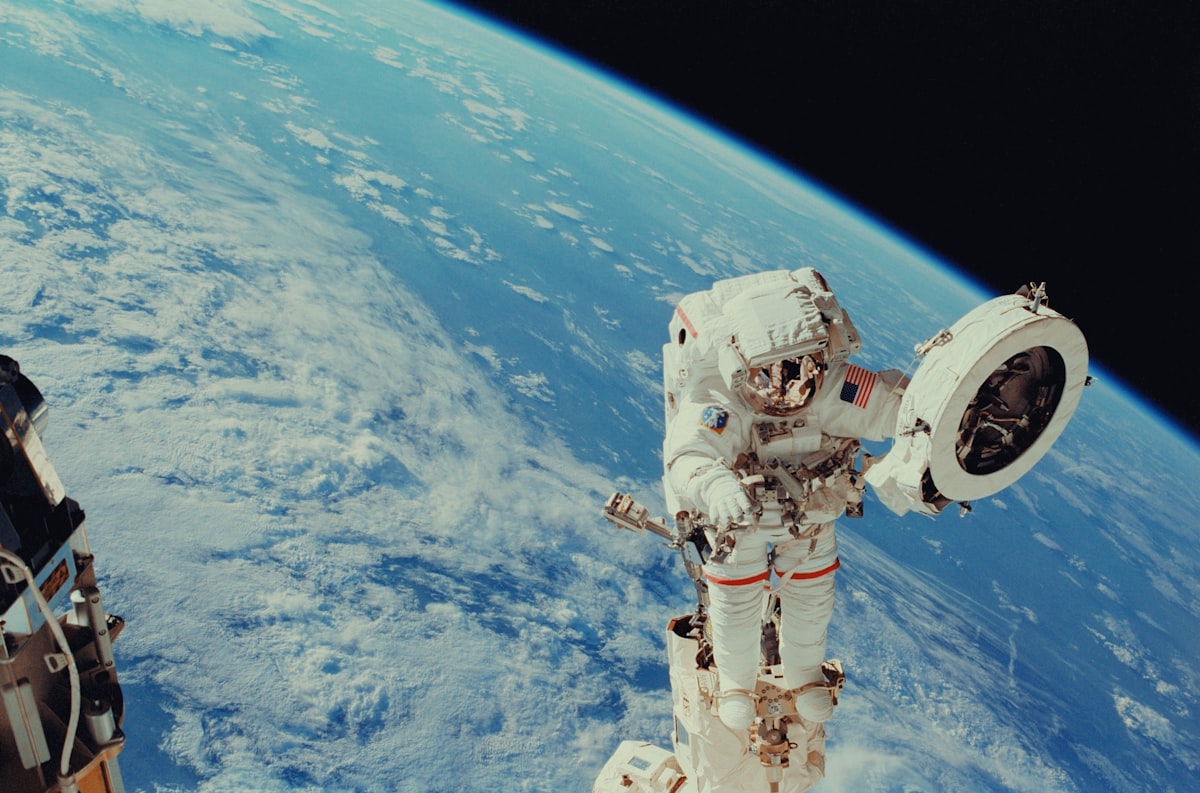
The academy fits into that vision. A dedicated institution would create a steady stream of engineers and operators who understand both the civil and commercial sides of the industry. That’s a different skill set than what traditional aerospace programs produce.
Not everyone thinks a military-style academy is the right model.
Concerns About Blurring Lines
Lori Garver, a former deputy administrator of NASA, sees real potential in the idea. But she has major reservations. Her biggest worry is that modeling the academy after military service academies would conflate NASA's peaceful, civil exploration mission with the military activities of the US Space Force, and that's a line she can't accept being blurred. It's a risky move. So she's urging caution, not rejection.
Garver didn't mince words. NASA's charter and legal foundation calls for a civilian agency separate from the military, and that's a distinction she refuses to see blurred by any new initiative. Structuring a feeder college along the lines of a military academy strikes me as ill-conceived, she said, because it undercuts the very ethos that keeps the agency's science and exploration tethered to peaceful, public purposes. So that's a hard no.
Garver served under President Obama about a decade ago. Since then, she has helped create several fellowship programs aimed at funneling more women and minorities into aerospace engineering. She also pushed back on the premise that NASA has trouble attracting young talent, noting that the agency has historically drawn from MIT, Purdue, and other institutions that have long fed people into the space program.
“NASA’s charter and legal foundation calls for a civilian agency separate from the military. Structuring a feeder college along the lines of a military academy strikes me as ill-conceived.”
The tension between the civil and military sides of space isn't new. But the US Space Academy makes it concrete, turning an abstract policy debate into a tangible institution with a campus, a curriculum, and a clear mandate. It could be a powerful engine for building the next generation of space professionals. Yet it could also blur a line that NASA has maintained since its founding, a line that has kept its scientific missions distinct from defense priorities for decades. So don't mistake this for a simple win. The academy's potential cuts both ways.
For now, the details remain thin. The commission will have to figure out the structure, the curriculum, and the location. What’s clear is that the US Space Academy is no longer just an idea. It’s an executive order.
Frequently Asked Questions
What is the US Space Academy, and how does it differ from a military service academy?
The US Space Academy is a civilian institution under NASA's jurisdiction, not a military service academy like the Air Force Academy. It is designed to educate and train graduates for careers in both civil and commercial space sectors, with most slots earmarked for NASA and civilian positions.
Who is spearheading the US Space Academy and what is their broader plan?
NASA Administrator Jared Isaacman is spearheading the US Space Academy as part of his Project Athena plan to revamp US civil space efforts. His strategy is to let commercial companies handle routine space activities while NASA focuses on pioneering efforts like establishing a base on the moon, with the academy providing a steady stream of engineers and operators.
What are the expected benefits and requirements for students attending the US Space Academy?
Students would attend after high school and earn a four-year degree with free tuition, but they must commit to several years of service. Graduates can choose to serve in the US Space Force or, for the majority, in NASA and civilian positions, ensuring a pipeline of skilled talent for the space industry.
Why is the location of the US Space Academy not yet decided, and what factors are being considered?
No site has been chosen yet, though the academy may end up near existing NASA facilities or areas with strong workforce expertise. Officials are weighing technical needs against regional advantages, but President Trump has stated he will be choosing a location very shortly.
What are the main concerns raised by Lori Garver regarding the US Space Academy?
Lori Garver, a former NASA deputy administrator, worries that modeling the academy after military service academies would blur the line between NASA's peaceful civil mission and the military activities of the US Space Force. She argues that NASA's charter requires a civilian agency separate from the military, and structuring a feeder college like a military academy undercuts that ethos.

Astrid Berg covers space and astronomy, from missions and launches to the science of the universe. She follows the ongoing effort to explore beyond our planet.
💬 Comments (0)
No comments yet. Be the first!