Strumpshaw Fen Marks 50 Years of RSPB Management
Strumpshaw Fen, a wildlife-rich reserve in the Broads, celebrates 50 years under RSPB stewardship, showcasing rare species and accessible nature.
Strumpshaw Fen is celebrating five decades of conservation under RSPB management, a milestone for one of Norfolk's most wildlife-rich reserves. It's a big deal. The 450-hectare site, tucked away on the Broads and spanning the equivalent of 630 football pitches, has become a stronghold for species that struggle elsewhere in the county, and that's no accident. So we've got a place where rare birds and plants can actually thrive. But don't think for a second that this success came easy.
Reserves manager Helen Deavin said the wetland supports “rare and unusual species,” including nesting bitterns, the swallowtail butterfly, and a pair of cranes that successfully raised a chick this summer. But what really sets the reserve apart, she argued, is how approachable its wildlife is for everyday visitors. It's a place you can simply walk into and see. That's the magic. So don't underestimate the power of a quiet path and a patient eye,though we can't promise every visit will end with a crane sighting, the chance is always there, and that's what keeps people coming back.
“One of the lovely things about Strumpshaw is that the wildlife is quite accessible,” Deavin said. She called the reserve a “hidden gem,” pointing to regular sightings of marsh harriers, bearded tits, flocks of waders, and overwintering ducks and geese. Otters, water voles, fen raft spiders, orchids, and rare sharp-leaved pondweed all call the site home. It's a place that rewards patience. But you don't need to trek far to find it, because the fen paths weave right through the action, so even a casual visitor can spot something remarkable within minutes. And that's the real magic here.
“There’s this incredible, really quite rare wildlife but actually it’s really possible for people to see it, get some great views and really experience the magic of the Broads,” she added.
A Half-Century of Habitat Work
It began as unmanaged fenland. The RSPB took over in the mid-1970s, and five decades of careful stewardship have since transformed the landscape into a haven that supports threatened populations. Deavin credited that progress to consistent, patient work across generations of staff. But it's not magic. It's just persistence, year after year.
“By developing habitats where wildlife feels safe and can find the right food and places to shelter and raise a family, teams across the years have created a reserve that helps populations of rare species not only survive, but thrive,” she said.
That work has not come without challenges. Deavin said the summer’s heatwaves had been “tough”, though she is hoping for a cooler, wetter autumn ahead. The reserve remains braced for flood events and “saline surges” driven by seasonal tides, a reminder that coastal wetlands sit on the front line of changing weather patterns.
Wildlife That Shows Up
The reedbeds here are essential for bearded tits. Grazing marshes and woodland pull in a broad range of species, creating a patchwork that shifts with the seasons and rewards patient observation. So a Chinese water deer is thriving on the fen. It's a species that escaped from a Bedfordshire estate a century ago, and its success shows how adaptable nature can be when it's given the right conditions. It can't be stopped.
Deavin singled out the swallowtail as a particular highlight. She described it as “one of the rarest and one of the most spectacular” butterflies in the UK, a species that draws enthusiasts to the reserve year after year.
Haven't been to Strumpshaw Fen? The reception hide is your best bet. She said it offers a chance to spot otters and voles without much effort, and that accessibility is precisely what makes the reserve so special because it lets people connect with nature in a way that larger, more remote reserves simply can't always match. But that's the point, she argued. It's an easy win for anyone.
A Personal Sanctuary
Shaun Whitmore knows Strumpshaw Fen intimately. He's a BBC Look East camera operator, yet away from that job he's long pursued wildlife photography, and this reserve has become his place of choice for that passion, a quiet obsession that draws him back whenever he can spare a moment. But its role in his life runs deeper than capturing images. Much deeper.
In 2016, it was the place I went to when everything in my life became too much for me, and I couldn't see any other path forward through the noise and pressure that had built up around me. Whitmore said that. Nature provided a way out. It offered an escape from the breakdown I was having at the time, a breakdown that felt like it would swallow me whole if I didn't find somewhere quiet to breathe. So I went there. And it worked.
The reserve marked a turning point in his personal life, too. December 2019, his birthday. Whitmore chose Strumpshaw Fen as the spot to propose to his future wife, a decision that felt as natural as breathing. The following year, while shielding due to Covid risk, he was asked to make a film about his favourite place, and he picked Strumpshaw Fen without hesitation. It was never a question. But that’s the thing about deep love , it doesn’t need deliberation, it simply answers for you.
“Maybe my timing was off, because we went into lockdown two days into the filming. I did make a film and it went out on Look East the following week, showing what we were all missing while we were having to stay indoors for a while.”
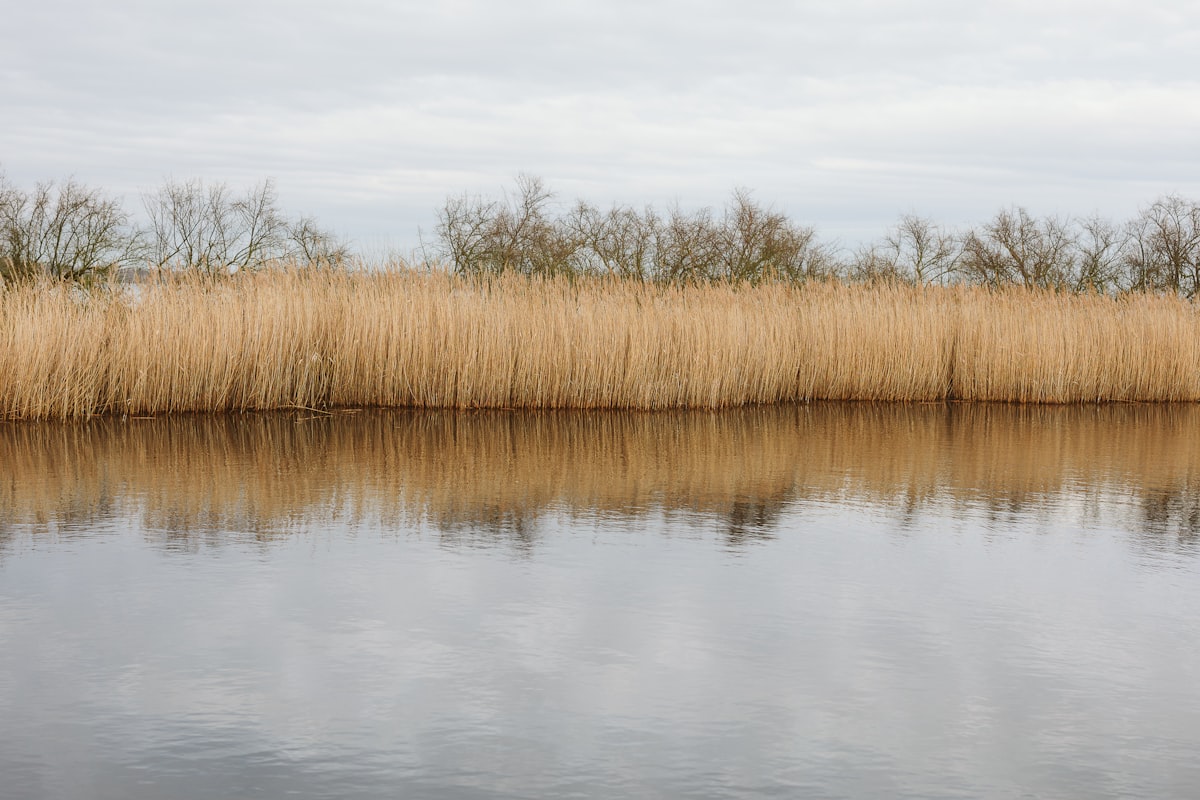
Whitmore’s description of the site paints a picture of variety and calm. He pointed to the reed beds, grazing marshes, woodland area, and river frontage as distinct zones, each one offering something different to visitors, and together they create a patchwork that feels both expansive and intimate. The birds keep him coming back. So do the other creatures across those habitats, and that abundance is what really draws him in,no, it's simply what keeps him returning, again and again.
“It’s a perfect place to relax and enjoy the fresh air and freedom that we all need in our busy lives,” he said.
Celebrating With the Public
Strumpshaw Fen is marking the anniversary. To celebrate, they're hosting a series of events, including guided walks around the site on Sunday that are designed to give visitors a deeper look at the habitats and species making the reserve tick, with staff on hand to point out what to look for and exactly where to find it. It's a close-up view. So don't miss it.
Five decades of management have achieved something measurable. The transformation from unmanaged fenland to a thriving wetland that hosts nesting bitterns and breeding cranes is a shift you can see in the reeds, the water, and the birds themselves. But for those like Deavin and Whitmore, the value of Strumpshaw Fen goes beyond species counts and habitat hectares. It's deeper than that. Numbers can't capture what this place means to them.
It is a place where rare wildlife remains visible, where a person can find solace in a difficult year, and where a marriage proposal can unfold against a backdrop of reed beds and river light. Fifty years in, the reserve has become more than a conservation project.
It has become a place full of memories.
Frequently Asked Questions
What is the size of Strumpshaw Fen in terms of football pitches?
Strumpshaw Fen is 450 hectares and spans the equivalent of 630 football pitches, as stated in the article. This comparison helps visualize the large area of the reserve.
Why does reserve manager Helen Deavin consider Strumpshaw Fen a 'hidden gem'?
Helen Deavin calls Strumpshaw Fen a 'hidden gem' because the wildlife is quite accessible, allowing visitors to see rare species like marsh harriers and bearded tits easily. She emphasizes that people can experience the magic of the Broads without trekking far, as the fen paths weave through the action.
How did the RSPB transform Strumpshaw Fen over the past 50 years?
The RSPB took over the unmanaged fenland in the mid-1970s and through consistent, patient work across generations has developed habitats where wildlife feels safe and can find food and shelter. This stewardship has created a reserve that helps rare species not only survive but thrive, supporting populations like nesting bitterns and breeding cranes.
Who is Shaun Whitmore and what personal connections does he have to Strumpshaw Fen?
Shaun Whitmore is a BBC Look East camera operator who has been a wildlife photographer, and Strumpshaw Fen is his chosen place for that passion. He used the reserve as an escape during a personal breakdown in 2016, proposed to his future wife there in December 2019, and made a film about it during the Covid lockdown in 2020.
What events are planned to celebrate the 50th anniversary of RSPB management at Strumpshaw Fen?
To celebrate the anniversary, Strumpshaw Fen is hosting a series of events, including guided walks around the site on Sunday. These walks give visitors a deeper look at the habitats and species, with staff on hand to point out what to look for and where to find it.

Astrid Berg covers space and astronomy, from missions and launches to the science of the universe. She follows the ongoing effort to explore beyond our planet.
💬 Comments (0)
No comments yet. Be the first!