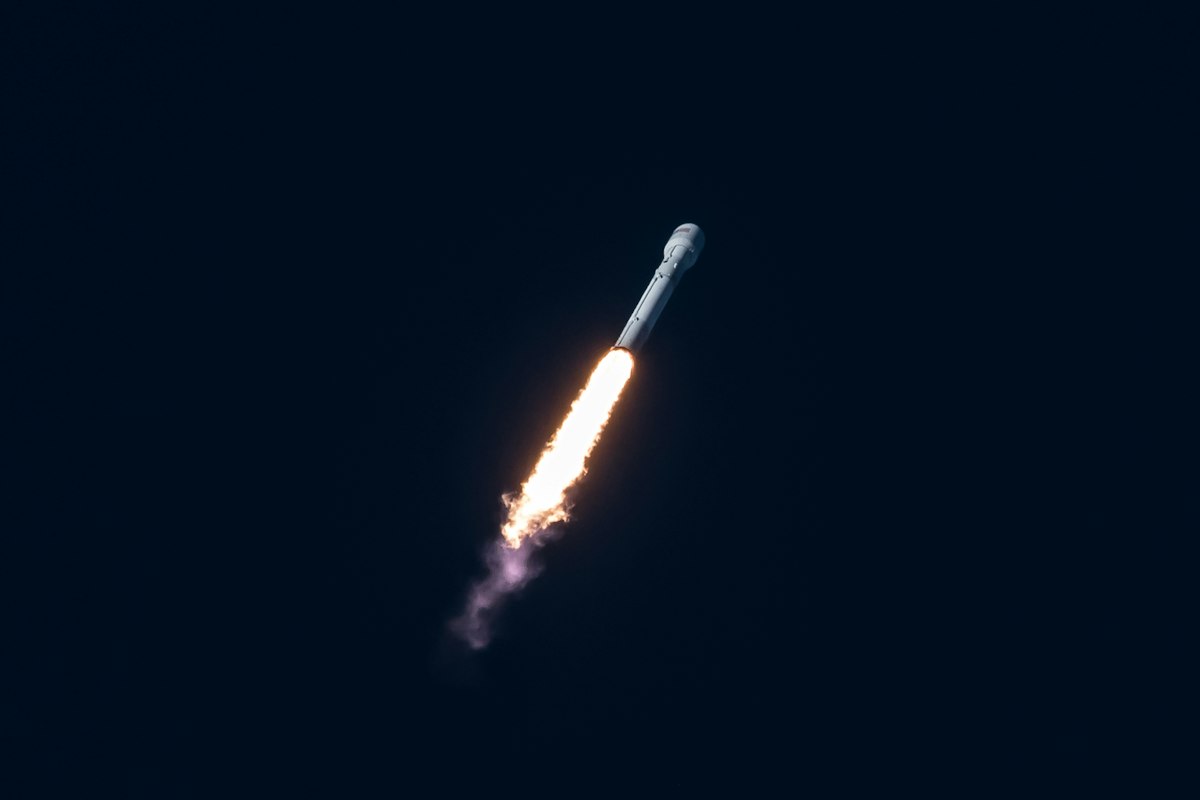
Starship Tower Catch: What It Means for You
Following a successful intact splashdown, SpaceX plans to attempt a tower catch of the Starship on its next flight.
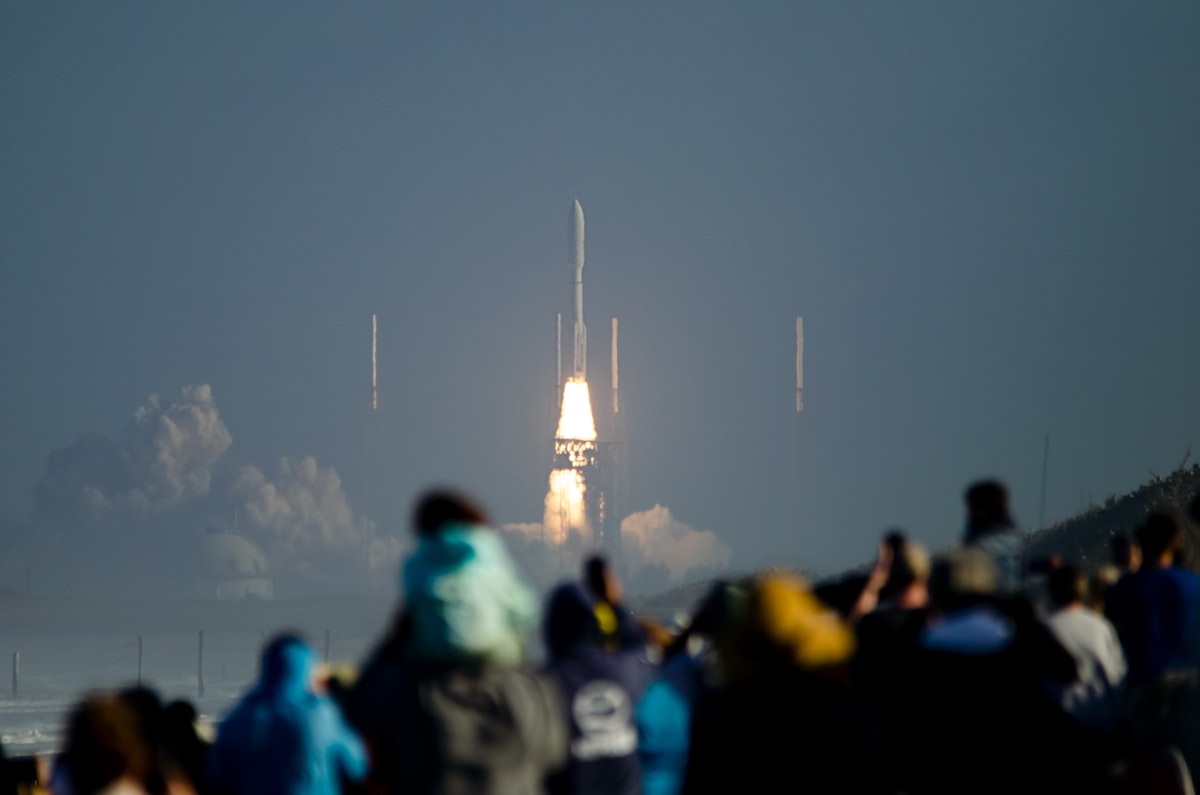
Starship tower catch operations are the next big leap for spaceflight after a successful 13th test flight. The vehicle completed its journey from South Texas to the Indian Ocean, landing intact for the first time, and that result marks a sharp turn from previous flights that ended in fire, so you might be wondering why this matters for the future of space travel. It changes the game for operational capacity. Let me explain why.
The Mechanics Of The Catch
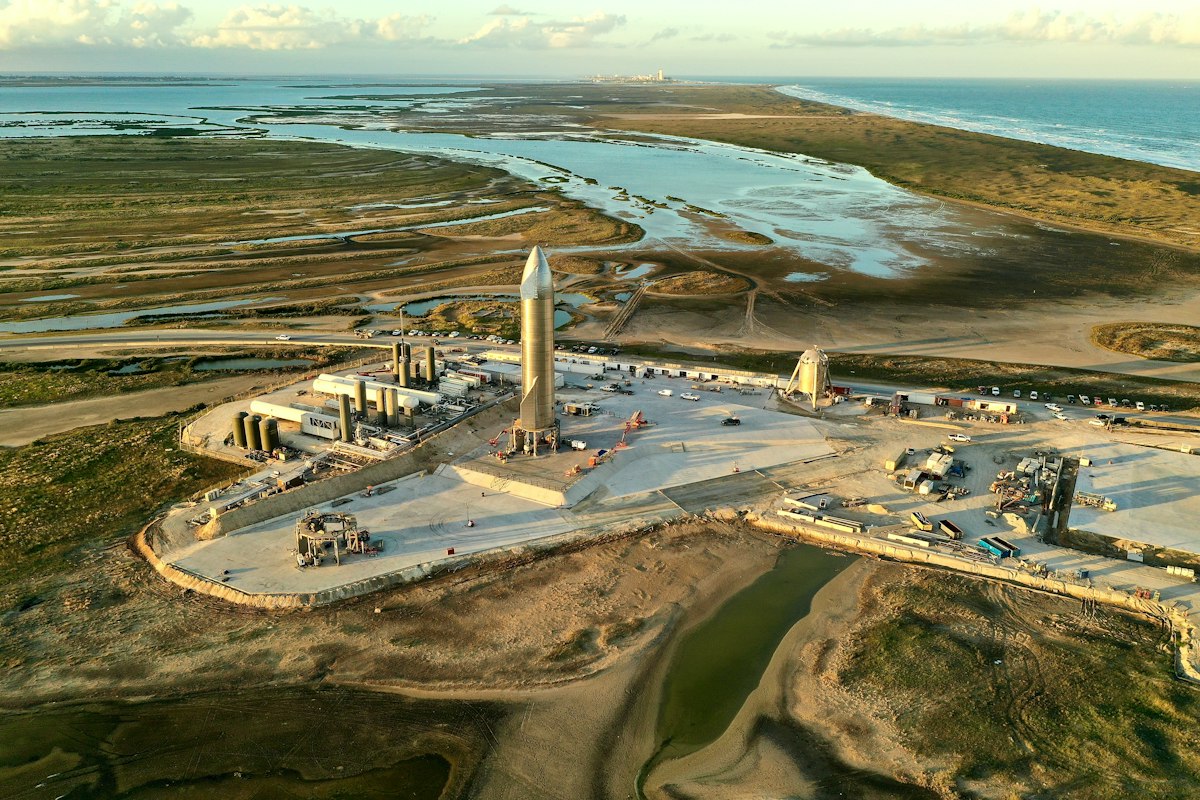
SpaceX has already grabbed a Super Heavy booster with the tower's giant mechanical arms. That's incredible. Now the company wants to bring the ship itself back to the launch site, but it's harder , the plan requires slowing the spacecraft to a controlled hover as it approaches the tower, and once the ship is stable, those same mechanical arms will reach out to secure it.
Why The Heat Shield Matters
You've likely heard about the thousands of ceramic tiles covering the stainless steel airframe. These tiles protected the vehicle from temperatures reaching 2,600 degrees Fahrenheit during reentry. That's extreme. But engineers need to ensure this shield can handle repeated stress without needing constant refurbishment, so the intact splashdown provides a perfect opportunity to inspect these materials after a high-dynamic pressure flight.
Key Data Points From The Flight
- The flight lasted approximately one hour from launch to splashdown.
- SpaceX deployed 20 upgraded Starlink V3 satellites while in space.
- The ship performed a 14-second engine restart to test orbital capabilities.
- Engineers tracked the vehicle through the Starlink satellite network after the landing.
Inspecting a ship that didn't burn up or explode is invaluable. And it's this very ability that allows for a deeper understanding of how the airframe handles the extreme conditions of atmospheric entry, so if the data from this flight remains positive, the next test will push the envelope even further. It's a big step.
What This Means For Your Connectivity
Starship tower catch maneuvers aren't just for show. They unlock the Starlink V3 network's full potential, and these satellites are larger and heavier than previous models, so they demand the lifting power of a fully operational Starship. But once these vehicles fly and land on a regular schedule, you can expect higher-speed connectivity for consumers and specialized users alike. It's that simple.
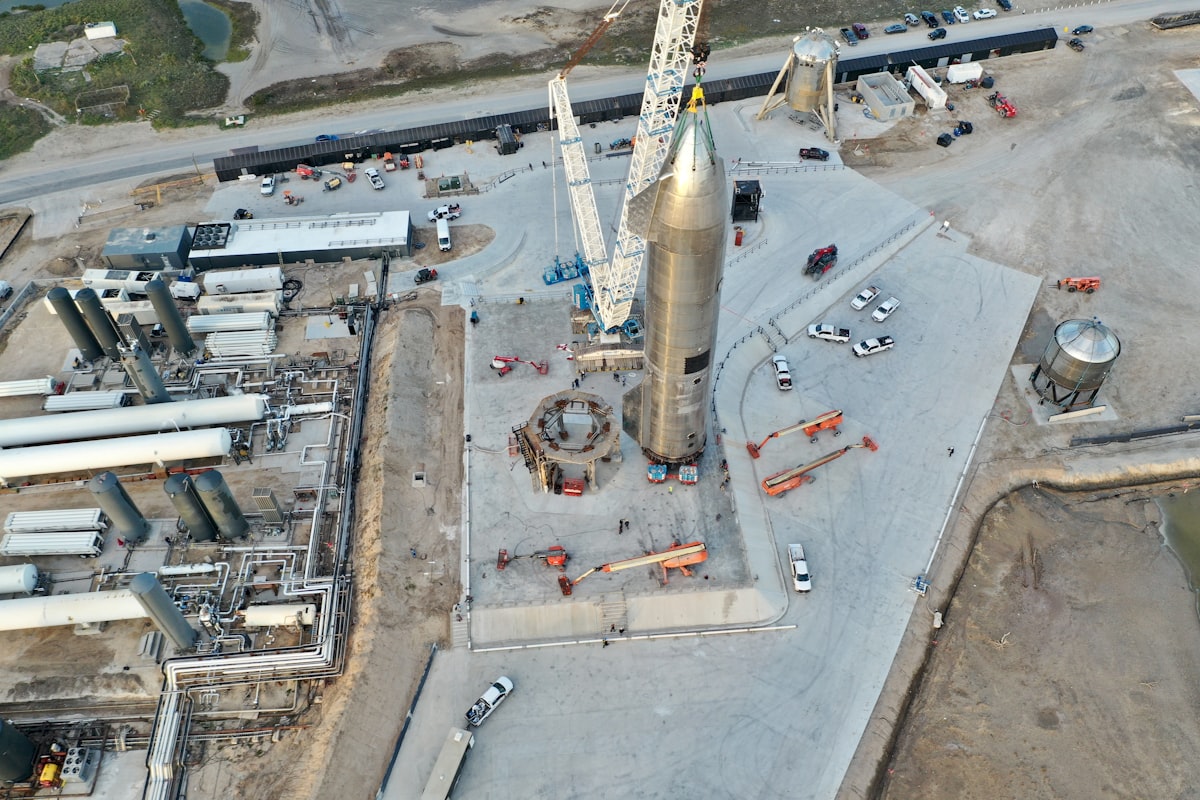
Unless we discover problems after mission data review, SpaceX will attempt to catch the ship with the tower on next flight, Elon Musk wrote on X.
The Road To The Moon
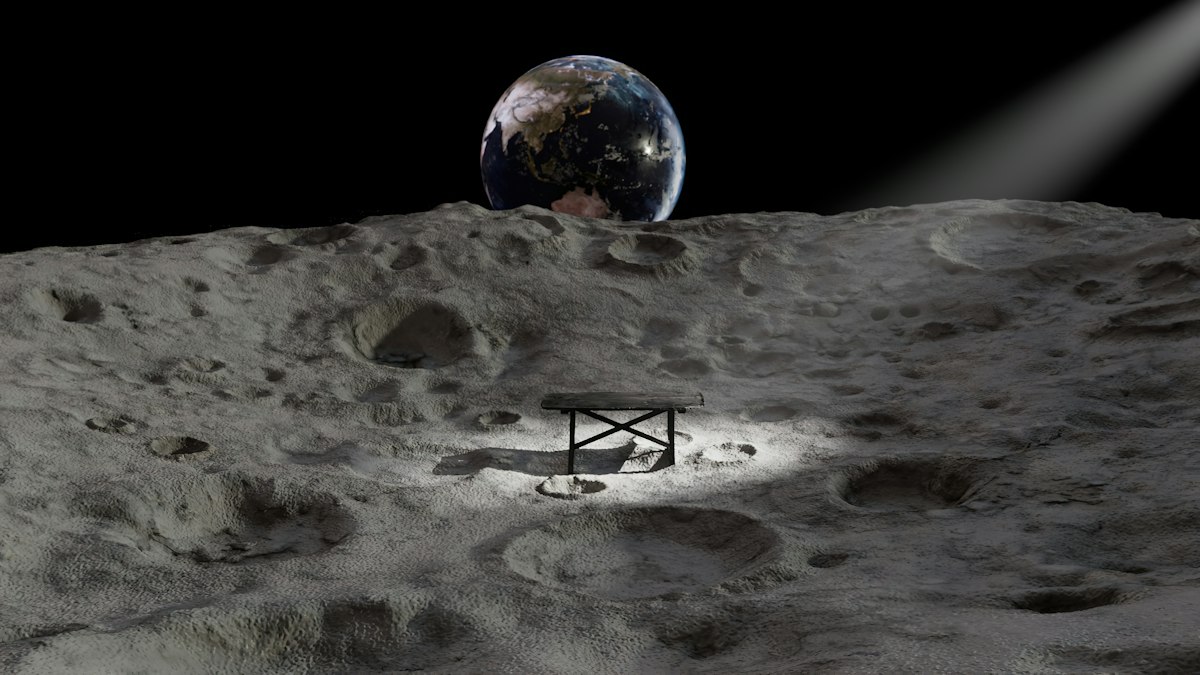
This isn't just about satellites. Each successful test flight brings the goal of sustainable lunar transit closer to reality for the NASA Artemis program, which depends entirely on orbital refueling for future missions.
What To Expect Next
The Super Heavy booster is the current focus. Engineers are already working on improvements after it experienced a hard splashdown in the Gulf on this flight, so they're refining performance of both the booster and the ship. But you should look for the next mission to potentially feature the full return-to-launch-site sequence. It's exciting. This would set the stage for routine operations and the eventual expansion of human exploration into deep space.
The goal is to move from development to reliable delivery of payloads into orbit, and with this recent success the team is clearly ready to shift gears toward regular service. Keep your eyes on the next launch window. But the pace of these tests is accelerating, and each flight provides the data needed for the next big milestone.
Frequently Asked Questions
What is the Starship tower catch and why is it significant?
The Starship tower catch is a maneuver where SpaceX uses the tower's giant mechanical arms to grab the Starship spacecraft as it returns to the launch site. It is significant because it unlocks the Starlink V3 network's full potential and enables higher-speed connectivity for consumers and specialized users.
How does the heat shield contribute to the Starship tower catch's success?
The heat shield, made of thousands of ceramic tiles, protects the vehicle from temperatures reaching 2,600 degrees Fahrenheit during reentry. The intact splashdown provided an opportunity to inspect these materials after a high-dynamic pressure flight, ensuring they can handle repeated stress without constant refurbishment.
What key data points were recorded during the 13th test flight?
The flight lasted approximately one hour from launch to splashdown. SpaceX deployed 20 upgraded Starlink V3 satellites while in space, and the ship performed a 14-second engine restart to test orbital capabilities.
Why does the Starship tower catch matter for the NASA Artemis program?
Each successful test flight brings the goal of sustainable lunar transit closer for the NASA Artemis program, which depends entirely on orbital refueling for future missions. The Starship tower catch is vital for achieving this capability.
When might SpaceX attempt to catch the ship with the tower?
According to Elon Musk, SpaceX will attempt to catch the ship with the tower on the next flight, unless problems are discovered after mission data review. The next mission may potentially feature the full return-to-launch-site sequence.

Arthur Vance writes about astronomy and space exploration, covering the discoveries that expand our view of the cosmos. He enjoys connecting distant science to the questions we ask here on Earth.
💬 Comments (0)
No comments yet. Be the first!