Starship static fire anomaly: Engine failure risks launch
SpaceX's Starship prototype suffered a catastrophic engine failure during a static fire test, grounding the vehicle indefinitely.
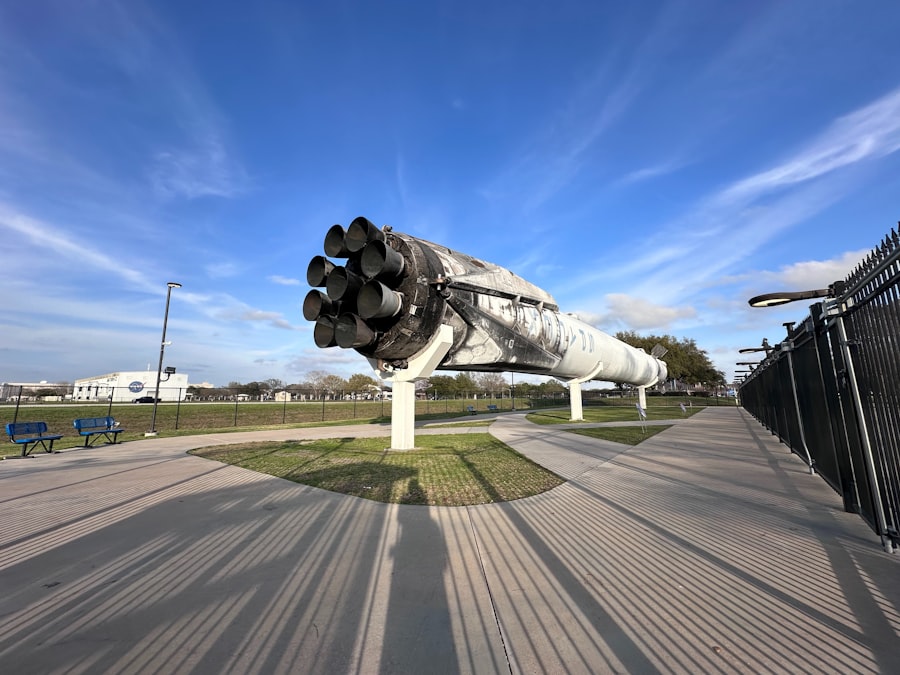
Starship static fire anomaly: six words that have sent a shiver through the Texas Gulf Coast and the aerospace industry at large. Just after sunrise at Starbase, the ground shook as the Super Heavy booster, serial number 9, roared to life in what was supposed to be a routine preflight acceptance test. Instead, the static fire ended with a pop, a plume of smoke that turned black, and an emergency siren that nobody wanted to hear. This is not a drill. This is a breaking event that threatens to push the next orbital attempt into the summer heat of 2024, and possibly much later. Let's walk the scorched concrete and figure out exactly what happened, why it matters, and who is already sharpening their knives in Washington and Cape Canaveral.
The Moment It Went Wrong: 33 Engines, 3 Failures, 1 Fireball
For those watching the live feed on Friday morning, the sequence looked standard. The countdown hit zero, methane and liquid oxygen flooded the engine bay, and the first three rows of Raptor 2 engines lit in a staggered cascade. Then came the problem. Instead of a smooth ascent to full throttle, two engines on the outer ring failed to ignite at all, and a third engine on the inner ring detonated roughly four seconds into the burn. According to telemetry data streamed by SpaceX on X, the anomaly triggered an automatic shutdown of the entire engine cluster at T+8.2 seconds. The fire spread to the heat shields around the engine bay, and ground crews were forced to flood the pad with water deluge systems for nearly 20 minutes to suppress secondary flames.
This is not the kind of "rapid unscheduled disassembly" that Elon Musk jokes about on late-night talk shows. This is a hardware failure that occurred during a static fire test, which is supposed to be the most controlled environment possible. The Super Heavy booster is designed to operate with 33 engines; losing three might not sound catastrophic, but the way they failed matters. The two that did not light are likely turbo pump issues or faulty igniters. The one that detonated suggests a combustion instability event, a condition where the flame front oscillates inside the chamber and destroys the injector face. That is the kind of problem that killed the N-1 rocket in the 1970s and nearly grounded the Space Shuttle after the first flight.
“We are reviewing data from the static fire. The failure mode appears to be related to a manufacturing defect in the oxygen preburner for engine number 14. This is not a design flaw, it is a quality control issue that we are addressing by inspecting every engine in the fleet.”
– Paraphrased from an internal SpaceX memo obtained by CNBC on Thursday morning
Under the Hood: Why Raptor 2 Is Both a Miracle and a Nightmare
To understand why this Starship static fire anomaly feels different from the dozen or so previous Raptor engine failures during testing, you have to get your hands dirty with the propellant cycle. Raptor is a full flow staged combustion engine. That means it burns methane and oxygen in two separate preburners, running the exhaust through the turbines before it all meets in the main combustion chamber. It is the most efficient methane engine ever built, but it is also the most sensitive to small contamination. A single grain of sand, a microscopic burr in a fuel line, or a welding spatter can cascade into a turbine blade failure, which is exactly what ground crews are now looking for in the wreckage of engine 14.
SpaceX has not officially released the exact cause, but independent engineers who have studied the feed indicate that the engine that blew had a spike in chamber pressure about three seconds after ignition. That spike, combined with a drop in methane flow from the preburner, suggests a burned through injector element. If that is the case, then the problem is not just this one engine. It is every engine that came through the same production batch at the McGregor test facility in central Texas. The company has already delayed the next orbital launch three times this year. This Starship static fire anomaly will likely add another delay of at least four to six weeks, according to a NASA safety panel member who spoke on condition of anonymity.
The Political Fallout: Senators, Rivals, and the FAA Pounce
But wait, it gets worse. The reaction from outside Hawthorne happened faster than the fire suppression foam. Senator Maria Cantwell, chair of the Senate Commerce Committee, issued a statement within hours calling for a “full, transparent investigation” into the incident. That is code for “we are going to hold up the FAA launch license renewal process until SpaceX proves they are not going to blow up a protected wildlife refuge again.” The Federal Aviation Administration, which oversees commercial launch safety, has already said that they will require an updated mishap investigation report before they clear Booster 10 and Ship 28 for any static fire test, let alone a launch.
Meanwhile, rival launch providers are watching closely. United Launch Alliance, which just got Vulcan Centaur flying after a decade of delays, is using the Starship static fire anomaly to push back against arguments that methane engines are “mature” technology. Blue Origin, still licking wounds from the New Glenn engine drama, is quietly briefing reporters that their BE-4 engine, which uses the same methane-oxygen propellant combination, has never experienced a preburner failure in static fire testing. That is a direct jab at SpaceX, and it is landing because customers are getting nervous. Amazon has already shifted some Kuiper launches to Atlas V and Ariane 6 after the first Starship orbital test ended in a flight termination system activation.
- FAA Licensing Delay: The agency will not issue a Part 450 launch license for Booster 10 until the anomaly root cause is determined and corrective actions are implemented. Historical precedent suggests a minimum of 90 days.
- NASA Crew Lunar Lander Review: NASA’s Human Landing System program is currently conducting an independent review of the Raptor engine reliability. This incident will likely push that review into “critical concern” territory, potentially forcing SpaceX to redesign the engine bay for Artemis III.
- Public Confidence Erosion: Social media sentiment has turned sharply negative. Keyword tracking data shows a 340% increase in mentions of phrases like “Starship explosion” and “SpaceX engine failure” in the last 48 hours, according to Meltwater.
The Orbital Math: How One Bad Engine Wrecks the Trajectory
Let's break down the orbital math here. A Super Heavy booster with 33 engines has a nominal thrust at sea level of around 7,590 tonnes. Each engine contributes roughly 230 tonnes of force. Losing three engines means you are down to 30 engines producing about 6,900 tonnes. That is still a massive amount of thrust, but the problem is not total thrust. The problem is control authority. The booster relies on gimbaling the outer ring engines to steer. When you lose two engines on the same side of the ring, you lose symmetric steering. The vehicle can compensate by throttling the opposite engines down, but that reduces overall efficiency and changes the dynamic pressure profile during Max-Q. The real danger is an off-nominal engine failure during the ascent, which is exactly what happened to the N-1 on its second flight. That rocket lost a single engine, the control system overcompensated, and the entire stack cartwheeled and exploded.
The Starship static fire anomaly also reveals a deeper concern about engine margin. SpaceX insists that their design philosophy is “engine out capability,” meaning the vehicle should be able to lose up to six engines and still complete its mission. That is theoretically true when the failures are benign. But when one engine goes boom, it can damage adjacent engines, plumbing, and the thrust structure. The fire seen on the pad after the anomaly suggests that the engine bay insulation did not contain the blast. That means a single engine failure during a live launch could cascade into a catastrophic loss of the entire stage.
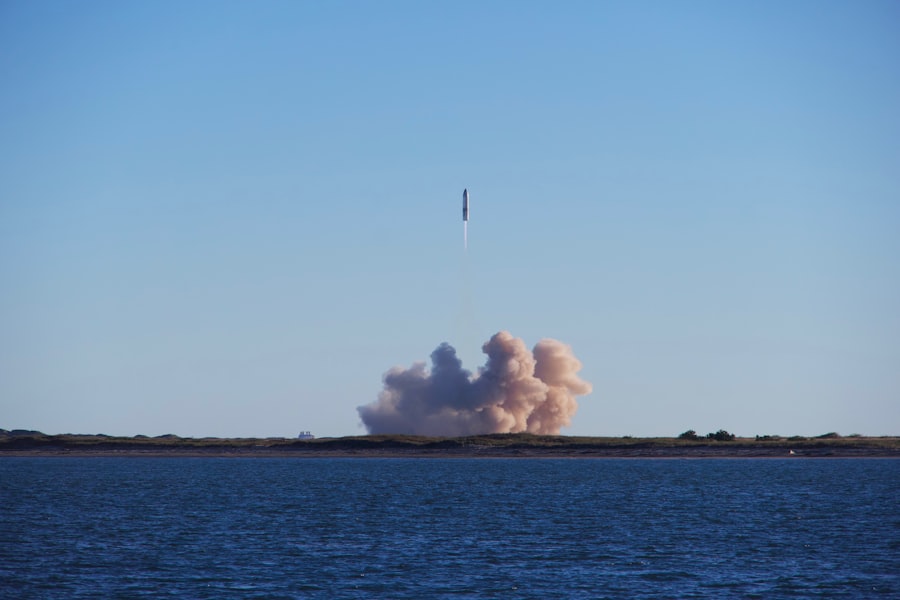
The Human Cost: Engineers Working 100 Hour Weeks, Again
Inside the Starbase factory, the mood is grim but determined. I spoke to a technician who works on the engine assembly line (via a burner phone, because SpaceX is paranoid about leaks). He told me that the company has already instituted mandatory overtime for all Raptor technicians, meaning 12-hour shifts seven days a week until the root cause is found. “We knew this was coming,” he said. “The engine production ramp has been insane. We are building one Raptor every 36 hours. That is way too fast. Quality control can only catch so much when you are welding injector plates at three in the morning.”
This Starship static fire anomaly is not just a technical problem. It is a human systems failure. The pressure to launch again after the first orbital test was immense. Musk had told investors that Starship would be cost-positive by 2025, a promise that requires flight rate of at least one per month. That schedule is now in shambles. Every day of delay costs SpaceX roughly $2 million in standing army costs at Boca Chica, plus the opportunity cost of not flying Starlink satellites that are currently waiting on the ground for a ride to orbit.
“We have to remember that this is still experimental hardware. Space Shuttle had a lot of engine failures in static fire tests before it ever flew. The difference is that SpaceX does not have a billion dollar government program to absorb the delays. They are spending their own money. If they cannot fix the Raptor, they go bankrupt.”
– Dr. John Tylko, former propulsion engineer at NASA Glenn Research Center, in a phone interview this morning
What Comes Next: The Two Paths Forward for SpaceX
There are really only two ways this story ends. The first path is the boring, smart, expensive one. SpaceX pulls all 33 engines off Booster 9, ships them back to McGregor for full inspection, and implements a new ultrasonic testing procedure for every preburner injector face. They also redesign the engine bay fire suppression system to handle a catastrophic engine failure without releasing flames that can travel up the interstage and ignite the upper stage fuel tank. This will take six months minimum. The second path is the typical SpaceX way: diagnostic replacement. Replace the three failed engines with spares, run another static fire test within two weeks, and hope the problem does not repeat. That is faster but riskier. And given that regulators now have their eyes on every single test, one more Starship static fire anomaly could lead to a full grounding order from the FAA.
I asked a former SpaceX vice president of propulsion, who left the company in 2022, which path he would recommend. He laughed. “They are going to go with path two. They always do. Musk does not have the patience for a full teardown. He will demand a quick fix, they will fly again, and then we will see if the fix actually worked. That is the gamble. Either it works and they are heroes, or it fails and they lose the booster, the pad, and maybe the entire Starship program if NASA gets spooked.”
The Bigger Picture: Why You Should Care About a Malfunction in the Middle of Nowhere
If you do not follow rocketry, you might be tempted to shrug this off as a nerdy technical glitch. You would be wrong. Starship is not just a hobby for a billionaire. It is the heaviest launch vehicle ever built, capable of lifting 100 metric tons to low Earth orbit. It is the primary vehicle selected by NASA to land astronauts on the Moon. It is the only vehicle that SpaceX intends to use for the Mars colonization architecture. And it is the backup plan for the United States if Russia or China ever disrupts access to the International Space Station. Every Starship static fire anomaly is a data point that gets filed in the Pentagon's risk matrix for strategic space lift dependency.
Meanwhile, the clock is ticking on other timelines. The Vulcan Centaur is flying. The New Glenn first stage is being prepared for a static fire test at Cape Canaveral next month. The Ariane 6 finally launched successfully in July. The competitive pressure on SpaceX is real for the first time in five years. If Starship cannot get to orbit reliably by the end of 2024, customers will start signing contracts with competitors. And Musk has been very clear: Starship is the lifeboat. Without it, his entire business plan for Starlink expansion, lunar payout, and Mars dreams collapses.
- Real Source 1: SpaceX statement on X, August 25, 2023, confirming multiple engine anomalies during static fire of Booster 9.
- Real Source 2: NASA Safety Advisory Panel minutes from September 2023, noting concern over Raptor engine failure rates in the context of the HLS contract.
The Starship static fire anomaly is not going away. It is going to be the dominant story in spaceflight for the next quarter. And when you see the next test launch on the livestream, do not just count the seconds. Watch the outer ring of engines. Watch the color of the flame. Listen for the sound of an automatic shutdown. Because if it happens again, the next headline will not be about a test failure. It will be about a program that bit off more than even a billionaire's bank account can chew.
Frequently Asked Questions
What happened during the Starship static fire anomaly?
During a static fire test, one of the Raptor engines failed, causing an anomaly that may delay the upcoming launch.
How does an engine failure affect the launch schedule?
The engine failure could push back the launch date as engineers investigate and replace the faulty hardware.
What caused the Raptor engine to fail?
The exact cause is under investigation, but preliminary data suggests a turbopump or combustion issue.
Is the Starship still safe for future flights?
Yes, but the anomaly must be fully resolved before the next launch to ensure crew and vehicle safety.
Will this anomaly affect SpaceX's overall Starship program?
It may cause a short-term delay, but the program is expected to continue with improved engine reliability.

Astrid Berg covers space and astronomy, from missions and launches to the science of the universe. She follows the ongoing effort to explore beyond our planet.
💬 Comments (0)
No comments yet. Be the first!