NASA Changes Lunar Spacesuit Design for Artemis
NASA is changing its lunar spacesuit design, opting for a simpler 'Sortie Suit' variant with Axiom Space to accelerate Artemis missions to the Moon's south pole as early as 2028.
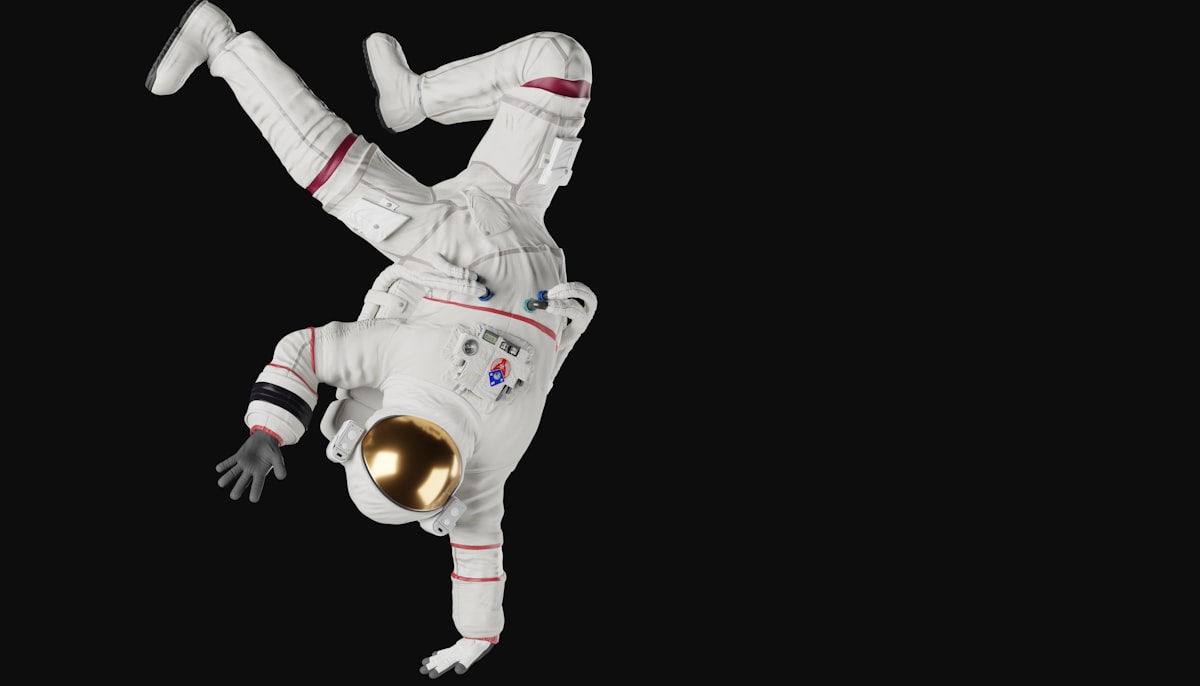
NASA changes lunar spacesuit design for Artemis landings
NASA's shifting its lunar spacesuit strategy. The agency is fighting to accelerate its return to the Moon, and during an internal meeting this week, Artemis Program Manager Jeremy Parsons directed NASA to work with Axiom Space on a simpler "Sortie Suit" variant of the planned lunar surface spacesuit. Sources say this streamlined suit will be used for initial landing missions. Those missions fly on landers developed by both SpaceX and Blue Origin. But don't expect the full-dress version anytime soon.
The shift comes as NASA's new leadership scrambles to recover a program that had slipped badly, under Administrator Jared Isaacman, who arrived in December 2025. It's a mess. But the timeline had suggested no lunar return before 2030 at the earliest, a delay that would let China reach the surface first, and that's a prospect no one in the agency can stomach right now. So they're racing.
Isaacman has already made sweeping changes. He streamlined Space Launch System production, canceled the Lunar Gateway to lighten the burden on landers, and has been working directly with SpaceX and Blue Origin to understand their needs. Less public attention has gone to the spacesuit side of the equation, but the suits matter just as much as the rockets.
What the Sortie Suit actually changes
The core problem traces back to the requirements NASA originally set for its lunar suits. The agency mandated that suits handle six spacewalks over a 6.5-day mission. Even after being stowed in a dormant state, they had to remain capable of more spacewalks for 210 days. And the thermal system had to shed heat from a working astronaut while also operating for at least two hours in the brutally cold, permanently shadowed regions of the lunar south pole.
Those demands pushed Axiom toward a design that grew heavy, stiff, and complicated. Multiple protective layers drove mass upward. Astronaut mobility suffered. The suit became harder to build, fell behind schedule, and cost more.
The “Sortie Suit” approach strips that back. Instead of designing for every possible extreme upfront, NASA wants a suit that is good enough for the first Artemis missions. As astronauts actually spend time on the surface and learn what conditions demand, NASA and Axiom can fold that operational experience into upgrades.
Think of it as flying a minimal viable suit first, then iterating based on real data rather than worst-case assumptions made in a conference room.
Signs of trouble were already public
This week, the Aerospace Safety Advisory Panel offered a rare glimpse into how tense the suit situation had become. But it’s the details that really sting. Former astronaut Charlie Precourt, a panel member, revealed that NASA leadership is meeting with Axiom six days a week, often in person, to address schedule and performance concerns, and that level of frequency doesn't happen when things are going smoothly. They can't afford to wait.
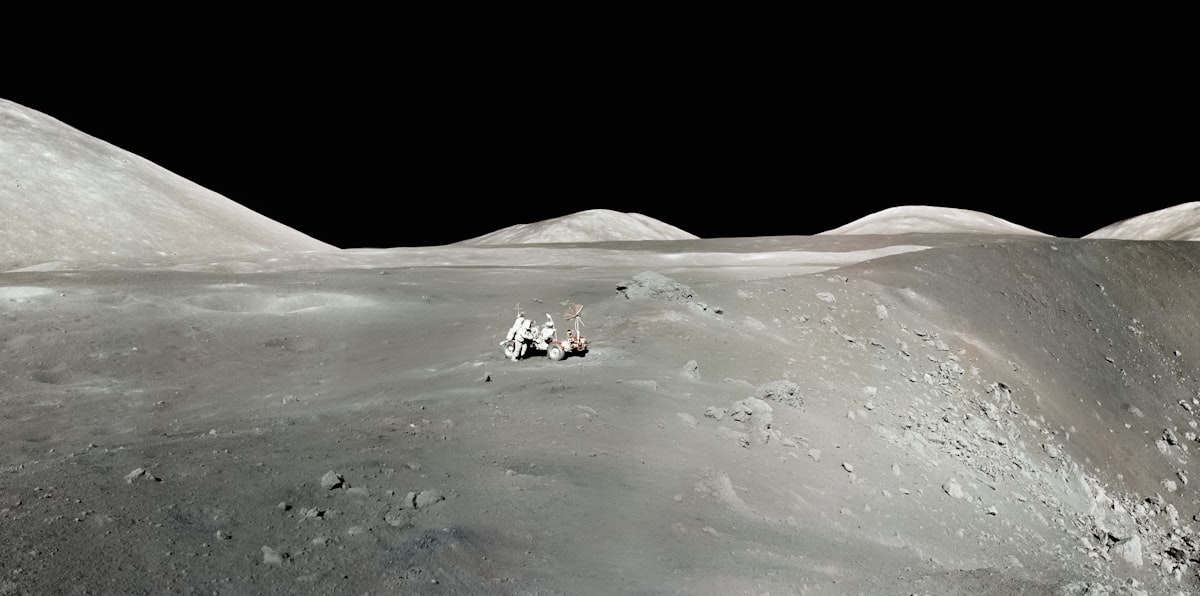
“Requirements are being adjusted to reflect near-term mission needs, including shortening the spacesuit certification duration requirements.”
Precourt did not name the Sortie Suit directly, but the description aligns with what sources describe as a slimmed-down version of Axiom’s AxEMU suit.
Industry rumors had already circulated that the current design was significantly over its mass budget. That shouldn't surprise anyone who reads the inspector general's 2024 report, which described the original requirements as "over-burdensome." And it's a warning we've all seen coming for months. But the real sting? The fix isn't simple. So engineers now face a brutal trade-off, one that pits weight savings against capability, schedule delays against cost overruns, and the original program's lofty aims against the grim reality of what can actually fly.
Why Axiom is the only option left
Four years ago, NASA handed spacesuit development contracts to Axiom Space and Collins Aerospace. But by 2024, Collins had dropped out, falling behind schedule and struggling to make the finances work, leaving Axiom as the sole provider under NASA's spacesuit-as-a-service contract. That's a risky spot. It's all on one company now.
Axiom has stayed committed, that much is clear. But private sources have voiced real worries about how quickly the company is actually moving forward, and those worries don't feel theoretical or distant in any way. The six-days-a-week meeting schedule says it all. Those concerns are immediate. Very real. And they're shaping the rhythm of every single workday right now.
The stakes here go beyond hardware. They're immense. NASA can't have a meaningful lunar mission with just a rocket, a spacecraft, and a lander, because astronauts need modern suits that let them wander outside, snap photos, and conduct science in an environment that will kill them in seconds if anything fails. Without a suit that actually works, the whole Artemis architecture stalls at the surface, and so does every plan built on it. And that's a dead end.
The mass problem nobody wants to talk about
Every kilogram sent to the lunar surface costs dearly in propellant, lander structure, and mission complexity. A suit that balloons past its mass budget creates ripple effects across the entire mission design. That is what happened here.
The suit's stiff, heavy design, born from over-specified requirements, didn't just slow production down. It made movement harder. That matters enormously when astronauts are trying to do field geology on the Moon, because a suit that restricts motion undermines the entire scientific purpose of going, and you can't do good science if you can't bend, reach, or kneel. So the whole mission suffers.
What comes next on the suit front
The Sortie Suit represents a philosophical shift as much as a technical one. NASA is admitting that it asked for too much, too soon, and that perfection is the enemy of progress. The agency is now willing to fly a less capable suit to get boots on the ground sooner, then improve the design based on what astronauts actually experience.
That is a pragmatic call. It is also a direct response to the geopolitical reality that China may beat NASA back to the lunar surface if the program keeps slipping.
Whether Axiom can deliver on the simplified design remains to be seen. The company hasn't commented publicly on the Sortie Suit decision, even as the silence itself grows louder with each passing week and every missed opportunity for clarity. But the pressure is clear. NASA leadership is meeting with Axiom six days a week to keep this program moving, and that relentless schedule tells you everything about how urgent this has become. So don't expect any slack.
The suit is no longer a side project. It is a critical path item for getting humans back to the Moon. And NASA has decided that a simpler suit, flown sooner, beats a perfect suit that never leaves the ground on time.
Frequently Asked Questions
What did NASA direct Axiom Space to work on during an internal meeting this week?
NASA directed Axiom Space to work on a simpler "Sortie Suit" variant of the planned lunar surface spacesuit for initial landing missions. This streamlined suit is intended to be used for missions flying on landers developed by both SpaceX and Blue Origin.
Why is NASA changing its lunar spacesuit design to a simpler version?
NASA is changing its lunar spacesuit design because the original requirements led to a suit that was heavy, stiff, and complicated, causing it to fall behind schedule and cost more. The agency wants a suit that is good enough for the first Artemis missions, allowing them to iterate based on real operational experience rather than worst-case assumptions.
How does the Sortie Suit approach differ from the original design requirements?
The Sortie Suit approach strips back the original requirements, which mandated handling six spacewalks over a 6.5-day mission, remaining capable for 210 days after being stowed, and operating in permanently shadowed regions for at least two hours. Instead of designing for every extreme upfront, NASA wants a suit that is 'good enough' for the first missions, then fold operational experience into upgrades.
Who is involved in the oversight of the spacesuit development, and what is the meeting frequency?
NASA leadership is meeting with Axiom Space six days a week, often in person, to address schedule and performance concerns, as revealed by former astronaut Charlie Precourt of the Aerospace Safety Advisory Panel. This frequent meeting schedule indicates the urgency and tension surrounding the spacesuit program.
What are the consequences of the suit's mass problem according to the article?
The suit's stiff, heavy design, born from over-specified requirements, slowed production and made movement harder, which undermines the scientific purpose of going to the Moon because astronauts can't do good science if they can't bend, reach, or kneel. Additionally, every kilogram sent to the lunar surface costs dearly in propellant, lander structure, and mission complexity, creating ripple effects across the entire mission design.

Arthur Vance writes about astronomy and space exploration, covering the discoveries that expand our view of the cosmos. He enjoys connecting distant science to the questions we ask here on Earth.
💬 Comments (0)
No comments yet. Be the first!