Long March 6A Explosion Tests China's Space Ambitions
A catastrophic failure of China's Long March 6A rocket underscores the intense pressure and risks in the nation's accelerated launch campaign for 2024.

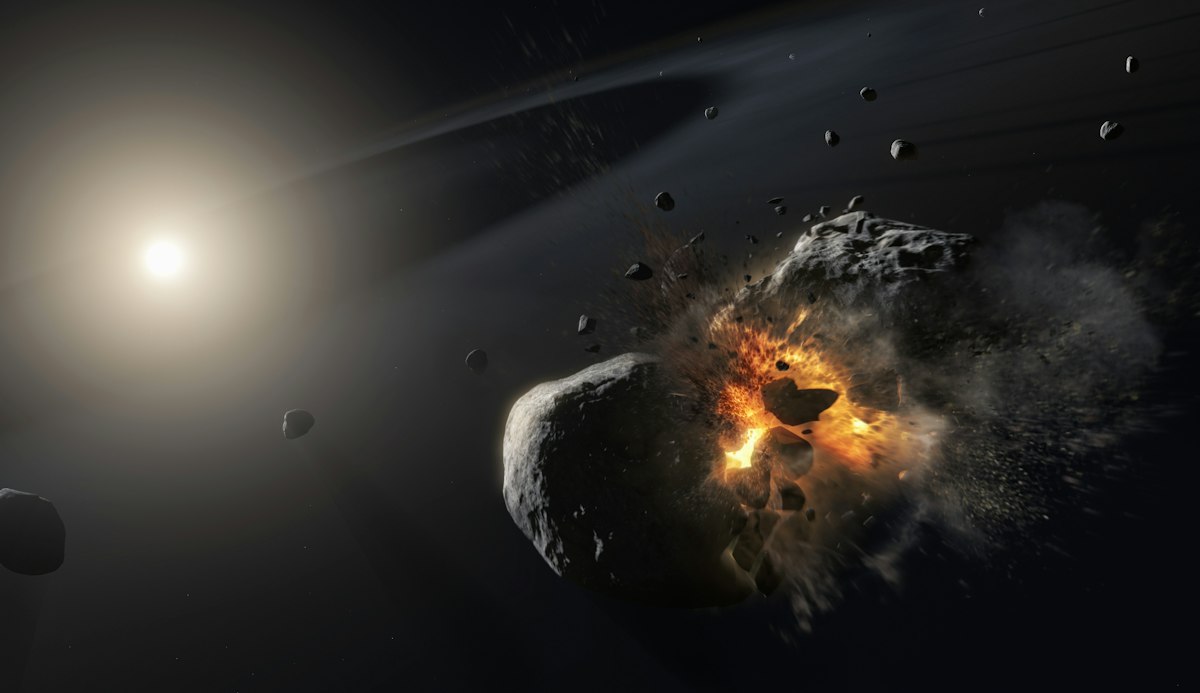
Long March 6A explosion turned the Taiyuan Satellite Launch Center into a scene of controlled chaos at 03:24 Beijing Time today. Inside the mission control bunker, the trajectory data flatlined. A silent, stunned second passed before the emergency protocols started flashing. Outside, the fiery debris of what was supposed to be a classified remote sensing satellite rained down over the designated safety zone, a stark reminder that spaceflight is never routine. This isn't a replay of the 2022 maiden flight failure. This is a brand new chapter of trouble for a rocket that China's entire commercial and strategic space apparatus is counting on.
A Perfect Launch, Until It Wasn't: The Sequence of a Failure
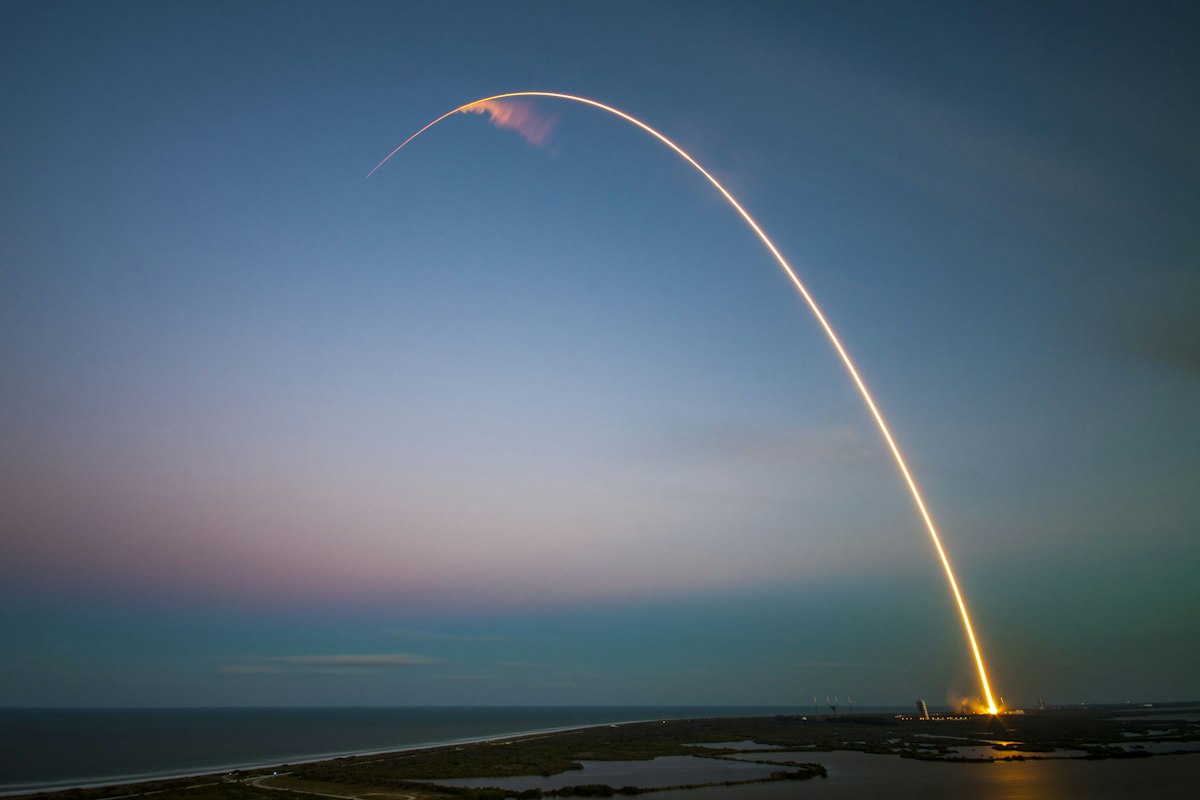
The livestream from state broadcaster CCTV showed a textbook ignition. The four solid rocket boosters and the core stage's twin YF-100 engines lit up the Shanxi province night. The Long March 6A cleared the tower, its ascent appearing nominal. But at approximately T+90 seconds, just after the scheduled separation of the solid boosters, a sudden, violent flash originated from the core stage. The vehicle instantly veered off its path, disintegrating before the range safety officer could even react. The Long March 6A explosion was total, consuming the rocket and its payload in a matter of seconds. The official Xinhua News Agency confirmed a "flight anomaly" within an hour, but the video evidence spoke for itself.
"Initial analysis indicates an anomaly occurred during the flight of the first stage, leading to the loss of the mission. A detailed investigation is underway," a terse statement from the China Aerospace Science and Technology Corporation (CASC), the rocket's state-owned builder, read. This mirrors the language used after previous failures, underscoring a standard but opaque response protocol.
Under the Hood: Why the Long March 6A Is So Critical, and So Tricky
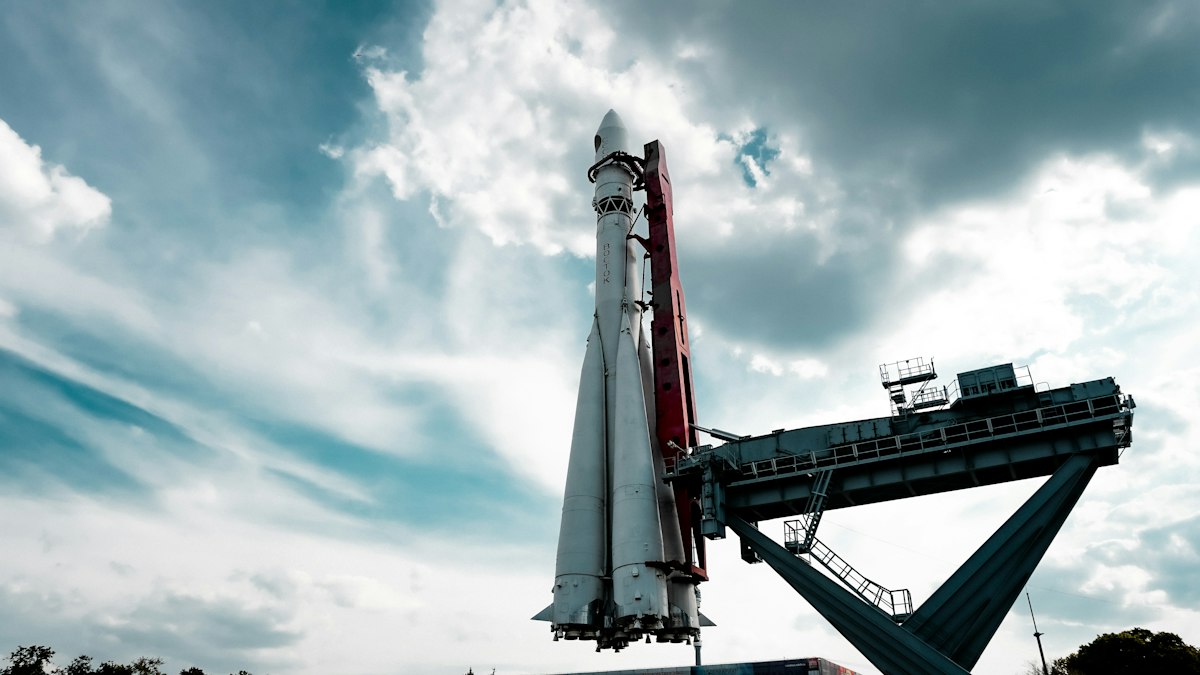
To understand the ripple effects of this Long March 6A explosion, you need to know what makes this rocket different. The Long March 6A isn't just another launch vehicle. It's China's first to use a hybrid design combining liquid and solid propulsion, a architecture favored for its responsiveness and flexibility. Here is the part they didn't put in the official mission briefing.
The Engine at the Heart of the Problem
The core stage is powered by two YF-100 kerosene-liquid oxygen engines. These are complex pieces of machinery operating on a high-performance staged combustion cycle, similar to the Russian RD-180. This cycle squeezes more thrust from every drop of fuel but runs at extreme pressures and temperatures. A tiny manufacturing defect, a seal failure, or a turbopump imbalance can lead to catastrophic rapid unscheduled disassembly. The Long March 6A explosion today likely originated in this high-stress environment during a phase of maximum aerodynamic pressure.
The Solid-Liquid Handshake
The real engineering gamble is the interplay between the four solid rocket boosters and the liquid core. The solids provide the initial punch off the pad. Their separation, which occurred moments before today's failure, is a dynamic shock to the vehicle. "You have a sudden shift in mass, aerodynamics, and thrust vectoring," explains a Western propulsion engineer who spoke on condition of anonymity. "If the flight control software doesn't perfectly compensate, or if the liquid core is already experiencing a thrust anomaly, the vehicle can become uncontrollably unstable in a heartbeat." This precise transition is now the prime suspect in the investigation of this Long March 6A explosion.
Let's break down the orbital math here. The mission aimed for a Sun-synchronous orbit (SSO), a workhorse path for earth observation satellites. Achieving SSO requires a precise trajectory from Taiyuan. The failure means not just lost revenue, but a gap in a strategic constellation. This Long March 6A explosion represents a dual setback: commercial and military.

The Skeptic's Ledger: What This Failure Really Costs China
Beyond the fiery footage, the real story is about trust and tempo. China has been boasting an unprecedented launch cadence, aiming for over 100 launches this year alone, many relying on newer rockets like the 6A. But wait, it gets worse. Each failure like this Long March 6A explosion forces a grounding, a painstaking investigation, and a delay across the manifest.
- Commercial Credibility: The Long March 6A is a key vehicle for launching commercial satellite constellations, both domestic and for international clients. Companies like Spacety or Galaxy Space have payloads waiting. After a Long March 6A explosion, insurance premiums for Chinese launches will skyrocket, making them less competitive against SpaceX and other providers.
- Space Station Dependency: While the Shenzhou crewed missions and Tianzhou cargo ships use different rockets, the Long March family's reliability record is a umbrella concern. This Long March 6A explosion shakes confidence in the overall quality control at CASC factories.
- Strategic Military Setback: The payload lost today, the Yunhai-3 series satellite, is widely understood by Western analysts to serve dual-use purposes for meteorological and maritime surveillance. A gap in this data has real-world implications for China's situational awareness in the South China Sea and beyond.
"Every failure is a data point in a concerning trend of quality assurance issues," notes Dr. Marco Aliberti, a senior fellow at the European Space Policy Institute, in a commentary today. "The pressure to maintain high launch frequency can sometimes conflict with the meticulous testing and oversight required for inherently risky space operations."
A Pattern of Fire: Contextualizing This Explosion
This isn't a one-off. The Long March 6A explosion today is part of a bumpy journey for China's next-generation rocket fleet. The inaugural Long March 6A flight in 2022 also ended in failure. While it returned to flight successfully in 2023, today's incident confirms lingering vulnerabilities. Other new models, like the Long March 7A, also suffered early failures before being debugged. The common thread is the push to innovate quickly while retiring older, hypergolic-fueled rockets. The problem is that innovation in rocketry is often paid for in explosions.
The SpaceX Shadow
You cannot discuss this without mentioning the elephant in the room. SpaceX's Falcon 9, with its partial reusability and staggering reliability rate, has reset global expectations. Chinese aerospace engineers are under immense pressure to close the gap. The Long March 6A, with its quick turnaround capability, is a direct answer to the demand for affordable, frequent access to space. But this Long March 6A explosion highlights the brutal truth that skipping steps in validation to catch up can backfire spectacularly. According to an analysis published by SpaceNews today, "The failure will likely trigger a reassessment of the reliability of China's newer launch vehicles and could impact the scheduling of key national space projects."
What Happens Next: The Investigation and the Fallout
The failure investigation committee, standard procedure after any anomaly, will now be formed. They will scour telemetry, recover debris from the designated drop zone, and examine manufacturing records. The entire Long March 6A fleet will be grounded indefinitely. This grounding has a cascading effect.
- Timeline Delay: A similar investigation after the 2022 failure took approximately eight months before the rocket returned to flight. A comparable delay now would push key missions into 2026.
- Design Scrutiny: Every component will be under the microscope, but the focus will be on the first stage propulsion system and the separation sequence. Was it a material flaw, a software glitch, or a propulsion instability?
- Political Repercussions: The Chinese space program is a source of national pride. High-profile failures attract high-level political attention, often leading to management reshuffles within CASC.
The Long March 6A explosion is more than a bad day at the launch pad. It's a stress test for China's entire space industrial base. Can it diagnose and fix a complex systemic issue without sacrificing its aggressive timeline? The world's other space powers are watching, not with schadenfreude, but with clinical interest. Every failure reveals something about an opponent's technical depth and resilience.
The Human Element: Engineers Under the Gun
Behind the official statements are the engineering teams who poured years into this rocket. A Long March 6A explosion is a professional and personal gut-punch. In China's state-run system, the pressure to succeed and avoid loss of face is immense. These engineers will now work around the clock, sifting through data, running simulations, and facing intense scrutiny. Their ability to find the root cause, not just a convenient proximate one, will determine the future of the program. If the culture demands a quick fix over a thorough one, the next Long March 6A explosion might not be far behind.
The Taxpayer's Burden
Let's talk money. Each Long March 6A launch is estimated to cost around $50 million. The satellite, likely worth hundreds of millions more, is gone. This Long March 6A explosion just burned a quarter of a billion dollars of national investment in seconds. For a Chinese public investing in the dream of a "space power," failures like this prompt awkward questions about resource allocation, especially when terrestrial challenges persist. The state media narrative will emphasize resilience, but the financial cost is real and will be borne by the state, and ultimately, the people.
Final Orbit: Ambition Meets Gravity
The video of the Long March 6A explosion will loop on international news networks, a dramatic counterpoint to China's sleek promotional videos of moon bases and Mars rovers. Space ambition is written in blueprints and press releases, but it is forged in fire and metal, and sometimes, in the terrifying silence after a data stream ends. China's march to the stars remains determined, but as today proves, it is a path littered with potential shrapnel. The Long March 6A will fly again, but the confidence it carried yesterday is now another piece of debris scattered across the Taiyuan recovery zone.

Leo Sokolov reports on spaceflight and the companies and agencies racing to reach orbit and beyond. He is captivated by the engineering that makes leaving Earth possible.
💬 Comments (0)
No comments yet. Be the first!