Isar Aerospace Spectrum Reaches Orbit, a European First
Isar Aerospace's Spectrum rocket reached orbit from Norway, making it the first fully commercial European vehicle to do so, marking a new era for the continent's space access.
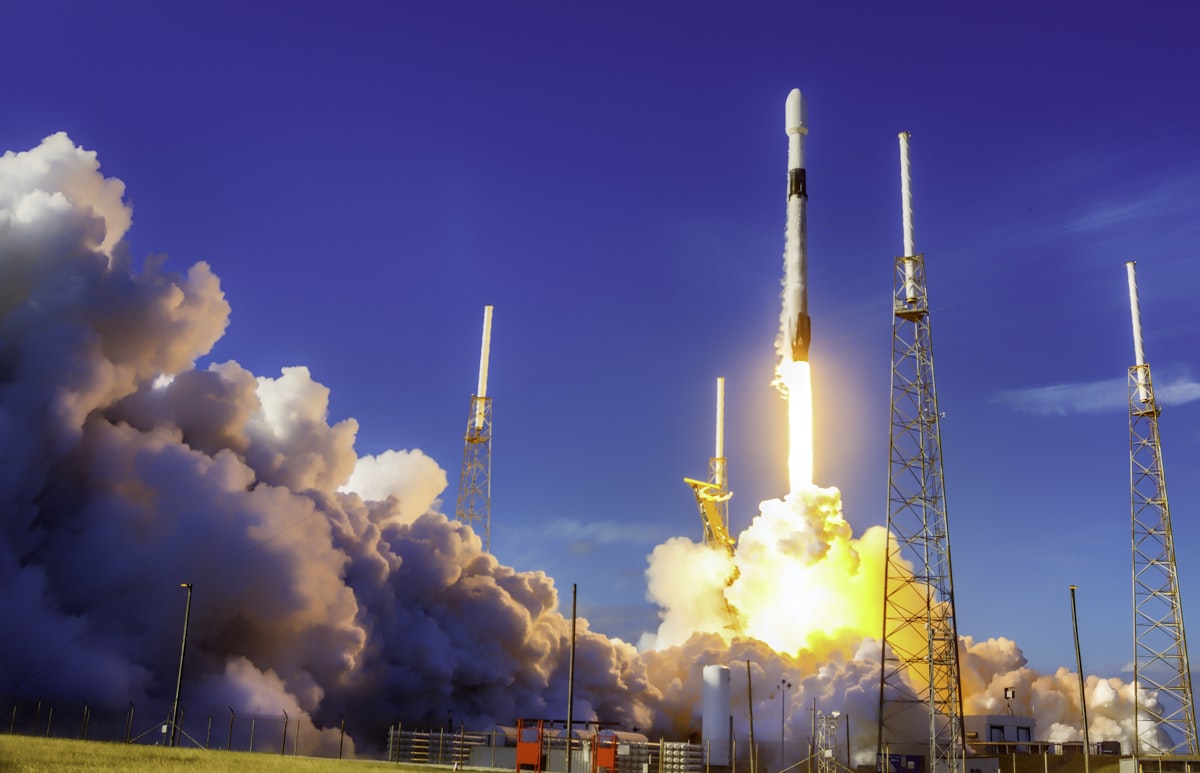
Isar Aerospace Spectrum reached orbit Saturday evening. That makes the German startup the first company in Europe to launch a fully commercial orbital rocket, and it's a milestone that shifts the continent's space race into a new gear. The two-stage vehicle lifted off from Andøya Spaceport in northern Norway at 4:12 pm EST, punching through the fading Arctic daylight before slipping into low-Earth orbit roughly seven minutes later. So don't expect this to be their last flight. But the window was tight, and they nailed it.
Eight Years From Campus Workshop to Orbit
Daniel Metzler founded Isar Aerospace in 2018 with two classmates from the Technical University of Munich, Josef Fleischmann and Markus Brandl. They started by tinkering with rocket parts in a campus workshop. But those early days soon revealed something bigger, something with commercial potential that the trio couldn't ignore, even as they faced plenty of doubters. Metzler, who serves as CEO, acknowledged the skepticism that greeted those early ambitions. It was steep.
"Especially early on, back in 2018, when, frankly, there was no 'New Space' industry, especially on this side of the Atlantic, people said it will never work," Metzler told reporters. "People will continue to always say this will not work, and that will not work, until we just prove them wrong. Giving up is not in our DNA."
That persistence carried the company through roughly $1 billion in private financing rounds and eight long years of development, and it’s a grind that would have crushed most startups before they ever saw a launchpad. But Isar kept pushing. Now the firm employs nearly 500 people, and that workforce makes it the most well-capitalized private launch company in Europe, a title that didn’t come easy. So they’ve earned their spot.
What the Spectrum Rocket Carries
The Isar Aerospace Spectrum rocket stands 92 feet tall. The vehicle can place up to one metric ton into low-Earth orbit, positioning it between Rocket Lab's Electron and Italy's Vega-C in payload capacity.
Saturday's flight carried CubeSats.
Learning From the First Failure
The Spectrum rocket's inaugural test flight in March 2025 ended in failure when the launcher spun out of control less than 20 seconds after liftoff and crashed near the pad.
Europe's Launch Market Gets a Shock
The Isar Aerospace Spectrum success lands at a critical moment for European space policy. It's a real jolt to the old guard. Incumbent providers Arianespace and Avio have relied on billions of euros in government funding to develop and operate the Ariane 6 and Vega-C rockets, and those vehicles have proven reliable but struggle to compete on price even with subsidies, so the new entrant's edge cuts deep. But that's the whole problem now.
European startups face a different landscape than their American counterparts. It's a tougher climb. Venture capital is scarcer, and the continent's top-down procurement model, known as geographical return, often clashes with entrepreneurial culture, so the friction isn't just about money but about who gets to decide what gets built and sold. But these headwinds matter as Europe seeks strategic autonomy amid rocky relations with the United States. They can't be ignored.
Europe can move fast and deliver. That's the point Metzler made. But he also stressed that strategic access to space, free from any single monopoly's control, is vital for our security, our economy, and our broader strategic autonomy, so it's not something we can afford to ignore.
A German First With Historical Weight
Saturday's launch also marked the first time a rocket built predominantly in Germany reached orbit. The achievement carries symbolic weight given the country's aerospace history. The V-2, the World War II terror weapon, previously held the title of largest German rocket, and many of its engineers emigrated to the United States after the war to work for NASA and the US military.
Germany has historically spent its space budget on satellites and payloads, not launch vehicles. French industry, by contrast, has steered Europe's Ariane program since the 1970s, building a reputation for government-backed heavy lifters that defined the continent's access to orbit for decades. But that old division is cracking now. Isar's privately funded approach doesn't fit the pattern, and it's forcing a rethink of who pays and who flies. So the disruption is real.
German Chancellor Friedrich Merz, who toured Isar's launch pad in March, congratulated the company Saturday, calling the launch the "beginning of a new era." That's a bold claim. But Walther Pelzer, director general of the German Space Agency DLR, backed it up, saying the flight "redefined the path to independent European access to space," and he wasn't shy about the weight of that moment. So Europe's watching now.
What Comes Next for Isar
The Spectrum rocket fits in an underserved segment of the launch market.
Metzler acknowledged that scaling production presents its own challenges.
Competitors are watching closely.
Isar Aerospace Spectrum now carries the weight of expectation for a continent eager to prove it can compete in the new space economy, and that burden isn't light. So the company's next task is repetition, turning a historic first flight into a routine cadence, a grind that demands the same precision every single time without the drama of a debut. That transition often takes years. Metzler acknowledged this reality without hedging, and he didn't sugarcoat it either. But the clock is ticking.
Frequently Asked Questions
What is the significance of Isar Aerospace's Spectrum reaching orbit?
The Isar Aerospace Spectrum reaching orbit makes the German startup the first company in Europe to launch a fully commercial orbital rocket. This milestone shifts Europe's space race into a new gear and marks the first time a rocket built predominantly in Germany reached orbit.
How long did it take Isar Aerospace to develop the Spectrum rocket from its founding?
Daniel Metzler founded Isar Aerospace in 2018, and the Spectrum rocket reached orbit after eight long years of development. The company went through roughly $1 billion in private financing rounds over this period before achieving the successful launch.
What happened during the Spectrum rocket's first test flight in March 2025?
The inaugural test flight of the Spectrum rocket in March 2025 ended in failure when the launcher spun out of control less than 20 seconds after liftoff and crashed near the pad. Despite this setback, the company persisted and achieved a successful orbital flight on its next attempt.
Why does the article suggest Spectrum rockets could be a shock to Europe's launch market?
Incumbent providers Arianespace and Avio have relied on billions in government funding and struggle to compete on price even with subsidies, giving Isar's new entrant an edge. European startups face a tougher landscape with scarcer venture capital and a top-down procurement model that clashes with entrepreneurial culture, so Spectrum's success challenges the old guard.
Who is Daniel Metzler and what challenges did he face in founding Isar Aerospace?
Daniel Metzler is the CEO and co-founder of Isar Aerospace, founded with two classmates from the Technical University of Munich. He faced skepticism in 2018 when there was no New Space industry in Europe, with people saying it would never work, but he responded by proving them wrong through persistence and private funding.

Astrid Berg covers space and astronomy, from missions and launches to the science of the universe. She follows the ongoing effort to explore beyond our planet.
💬 Comments (0)
No comments yet. Be the first!