Hubble Reveals Star Formation Slowdown in Andromeda
A new study using Hubble data finds star formation in the Andromeda Galaxy has declined over the past 500 million years, with a steeper drop in recent times.
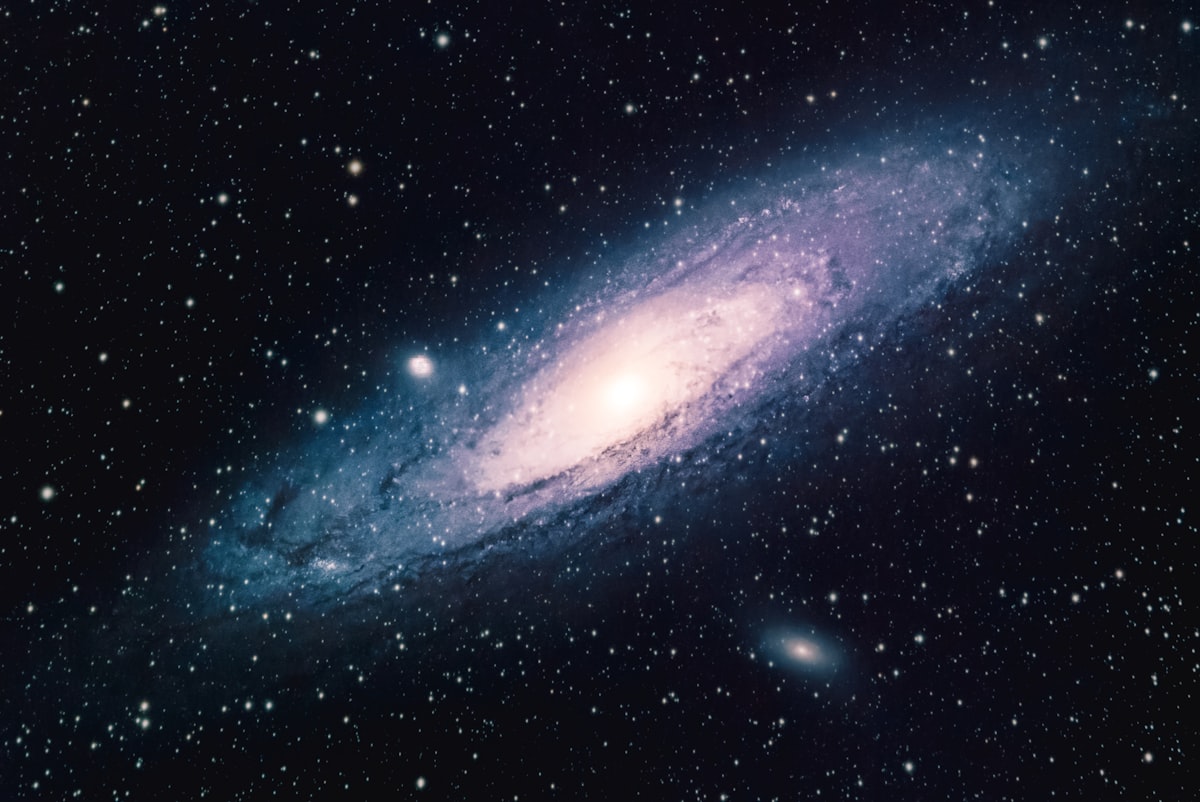
Hubble Reveals Star Formation Slowdown in Andromeda
Andromeda's slowdown is now confirmed. It's the most detailed census of the galaxy's stellar population ever assembled, and a team led by researchers at the University of Washington, using data from two major Hubble Space Telescope surveys, has found that the galaxy's rate of star birth has been plummeting for half a billion years. So this isn't a sudden collapse. The findings, published in The Astrophysical Journal, paint a picture of a massive galaxy slowly transitioning into a quieter phase of its existence, but they don't tell us what's next. We can't know that yet.
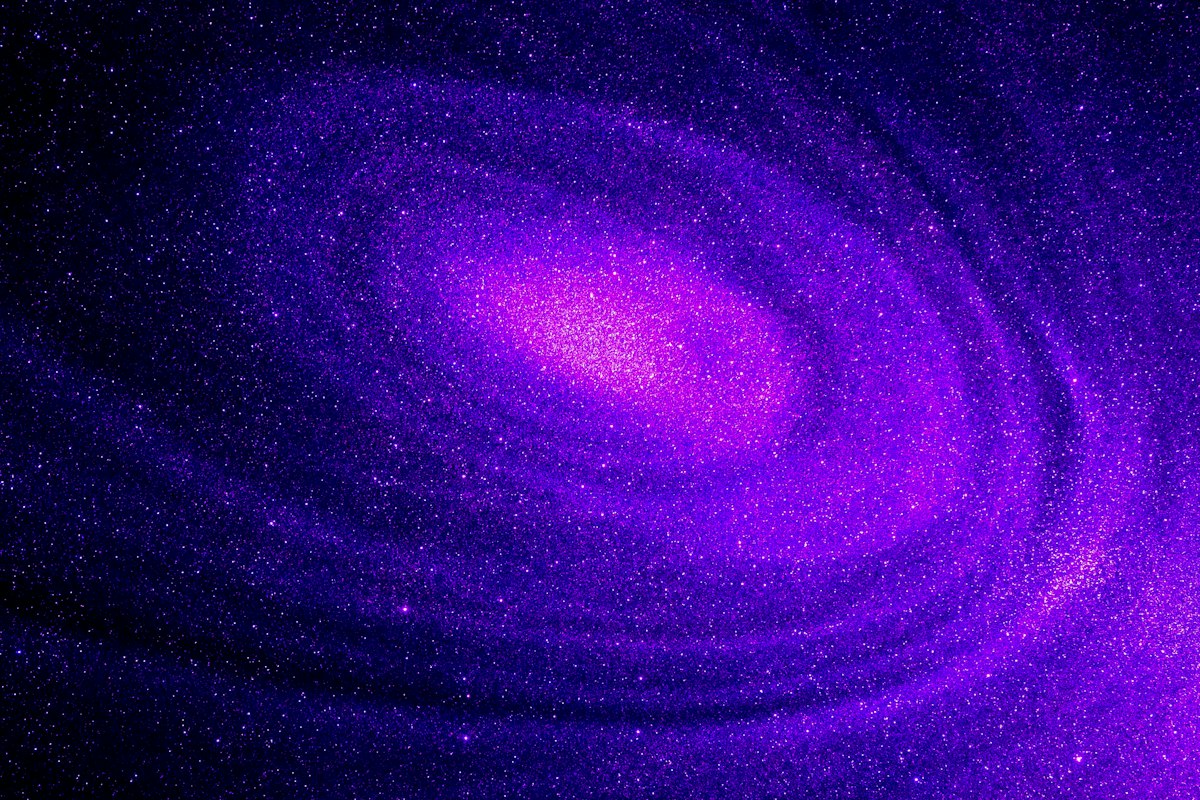
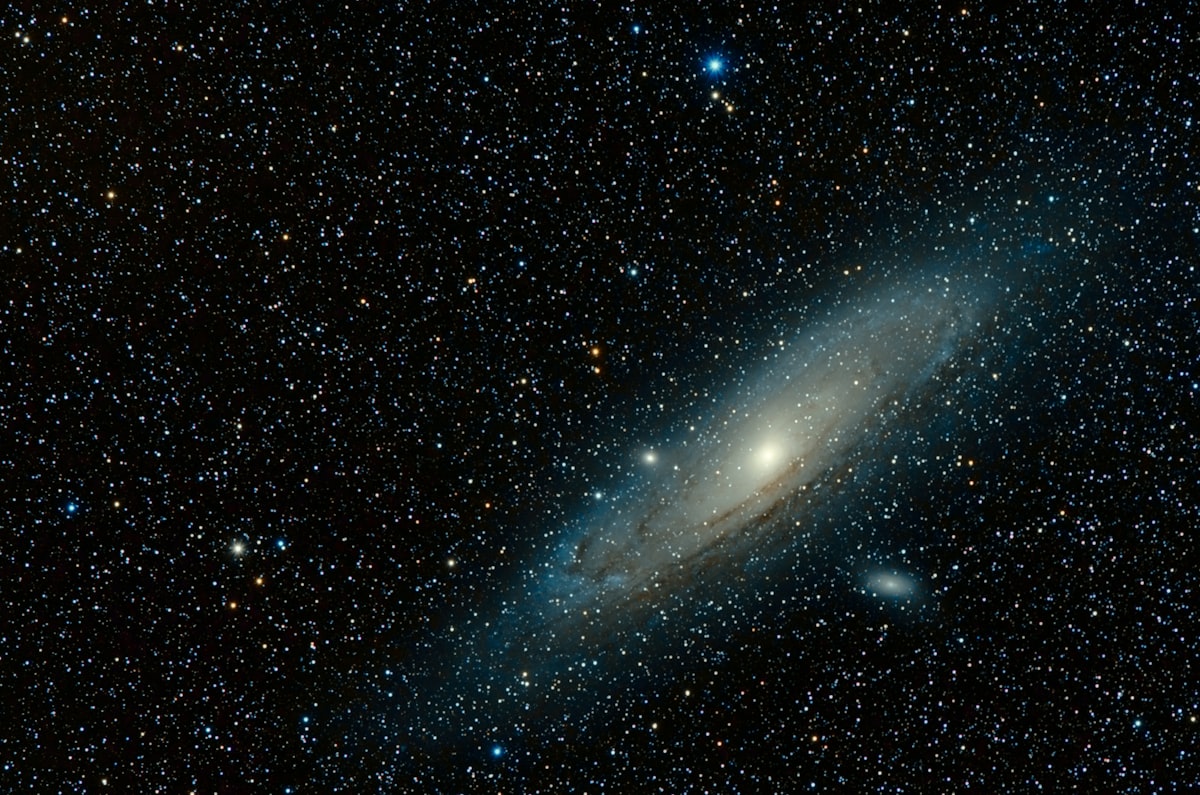
Andromeda, located roughly 2.5 million light-years from Earth, is a cosmic giant. It spans about 200,000 light-years, making it roughly twice the size of the Milky Way, and it hosts an estimated one trillion stars, about five times the population of our own galaxy. Because it’s close enough to be visible to the naked eye under dark skies, Andromeda offers astronomers a unique laboratory for studying how a large spiral galaxy evolves over time.
Reading the Fossil Record of Stars
The team’s approach was painstaking. They divided Hubble images of Andromeda into thousands of individual squares, each measuring 300 light-years on a side. So within each square, they reconstructed the history of star formation, effectively reading the galaxy’s past from the light of its individual suns, and it's a method that demands patience. That’s the whole trick.
We need to measure the individual stars. They're the fossil record of the galaxy's formation, said study co-author Ben Williams, an astronomer at the University of Washington. Hubble is the only telescope that can give you high enough spatial resolution over a large enough area to be able to do that in Andromeda, and so that's why we're turning to it. But it's not easy.
The science is straightforward. Regions with recent star formation glow with a larger fraction of blue stars, the massive O, B, and A-type stars that burn bright and die fast. Older, quieter regions are dominated by redder, smaller stars like M-type red dwarfs, which can live for trillions of years.
A Steady Decline Over Millions of Years
The numbers tell a stark story. About 500 million years ago, Andromeda was forming stars at a rate of roughly one solar mass per year, which means it churned out the equivalent of one Sun's worth of new stellar material every single year. Then came the slowdown. By 40 million years ago, that rate had dropped by half, and today the galaxy is producing stars at just one-fifth of a solar mass per year, a mere shadow of its former output. It's a dramatic decline. So the old fire has nearly gone out.
The decline isn't uniform across the galaxy. Much of the recent star formation has been concentrated in a ring about 32,000 light-years from the galactic center, and it’s that same ring that’s driving the overall slowdown, with activity fading faster there than anywhere else in the disk. So the fade is localized. But the ring’s collapse is what’s pulling the whole galaxy’s numbers down, even as the outer disk holds steadier.
The researchers suspect this is a natural winding down, not a sign that Andromeda is running out of raw material. So it's not starved for gas and dust. But the galaxy simply appears to be settling into a more sedate phase, a transition that many large galaxies eventually undergo, and that shift may take billions of years to fully play out across its vast spiral arms. It's a calm ending.
The Mystery of M32
M32 sits just 16,000 light-years from Andromeda’s center. It’s a small satellite galaxy, and it’s been a persistent puzzle for astronomers who have long wondered whether it has interacted with its larger neighbor in the past. But the new data, which includes observations from the Panchromatic Hubble Andromeda Southern Treasury (PHAST) survey, shows that the region between the two galaxies also experienced a drop in star formation starting roughly 60 million years ago. That’s a big clue. We can’t ignore it.
That timing is suggestive, but the team is careful not to overstate the connection.
“We can’t explicitly say that we are seeing a decrease in star formation because of M32. But it’s right there, and it’s definitely the most likely suspect,” said co-author and team member Wainer.
The PHAST survey was specifically designed to address this question, and the new findings provide the first detailed look at the star-formation history in the space between the two galaxies.
The Surveys Behind the Discovery
The data combines two massive Hubble programs. It's a staggering haul. The Panchromatic Hubble Andromeda Treasury (PHAT) mapped about a third of Andromeda’s star-forming disk, resolving 100 million stars across wavelengths from ultraviolet to near-infrared, and that’s just the beginning. The newer PHAST survey added observations of 90 million more stars in optical and near-ultraviolet bands, so the numbers climb even higher. Together, they cover roughly two-thirds of Andromeda’s disk in extraordinary detail. And that detail is the real prize.
What Comes Next
The team plans to keep analyzing Andromeda’s star-formation history, combining Hubble data with ground-based observations for a fuller picture. But the next big leap will come with NASA’s Nancy Grace Roman Space Telescope, and it's scheduled to launch no sooner than August 30th. Roman’s field of view is at least 100 times larger than Hubble’s at near-infrared wavelengths in a single observation, which means one glance from Roman could capture what took Hubble many separate passes to see. That's a massive advantage. So they can't wait to use it.
NASA has already approved an observation program that will image Andromeda's full disk and surrounding regions, enabling astronomers to measure hundreds of millions of stars. That data will allow researchers to map stellar evolution in Andromeda with unprecedented precision, offering insights that apply not just to our nearest large galactic neighbor, but to the Milky Way itself. It's a massive undertaking. So we're finally getting a clear look. But those measurements carry weight far beyond one galaxy, and they'll reshape what we know about our own.
The slowdown in Andromeda isn't just about one galaxy. It's a reminder that even the most massive structures in the universe go through life cycles, and that sheer scale offers no immunity to the slow, grinding passage of cosmic time. Andromeda has had its burst of chaotic, energetic star formation. Now, it's settling down. But this quiet isn't failure, nor is it an ending, because the galaxy is simply entering a long, steady middle age, much like a star that has passed its fiery youth and now conserves its remaining fuel with patient, unspectacular grace.
The implications for our own galaxy are clear. If Andromeda, with its trillion stars and vast reserves of gas, can wind down its star formation, the Milky Way may be on a similar path. The question is not whether our galaxy will eventually quiet down, but when. Andromeda, conveniently located just 2.5 million light-years away, is giving us a front-row seat to that future.
Frequently Asked Questions
What is the main finding of the Hubble Space Telescope surveys about Andromeda?
The surveys found that Andromeda's rate of star birth has been plummeting for half a billion years. The galaxy's star formation rate has dropped significantly, from about one solar mass per year 500 million years ago to one-fifth of a solar mass per year today.
How did the researchers determine the star formation history of Andromeda?
They divided Hubble images of Andromeda into thousands of individual squares, each measuring 300 light-years on a side, and reconstructed the history of star formation within each square. By mapping the balance of blue to red stars across the disk, they traced when and where star birth has been happening.
Why is the decline in star formation not uniform across Andromeda?
The decline is not uniform because much of the recent star formation has been concentrated in a ring about 32,000 light-years from the galactic center. This ring is driving the overall slowdown, with activity fading faster there than anywhere else in the disk, while the outer disk holds steadier.
What evidence suggests a possible interaction between Andromeda and the satellite galaxy M32?
The new data shows that the region between Andromeda and M32 experienced a drop in star formation starting roughly 60 million years ago. The team is careful not to overstate the connection, but they note that M32 is 'the most likely suspect' for the decrease.
What future observations are planned to further study Andromeda's star formation?
The team plans to combine Hubble data with ground-based observations, and NASA's Nancy Grace Roman Space Telescope, scheduled to launch no sooner than August 30th, will be used. Roman's field of view is at least 100 times larger than Hubble's, and an observation program has been approved to image Andromeda's full disk and surrounding regions.

Astrid Berg covers space and astronomy, from missions and launches to the science of the universe. She follows the ongoing effort to explore beyond our planet.
💬 Comments (0)
No comments yet. Be the first!