How Space Weather Affects Earth and the Team Protecting Us
The Met Office's space weather forecasting team works 24/7 to protect GPS, power grids, and satellites from solar flares and geomagnetic storms.
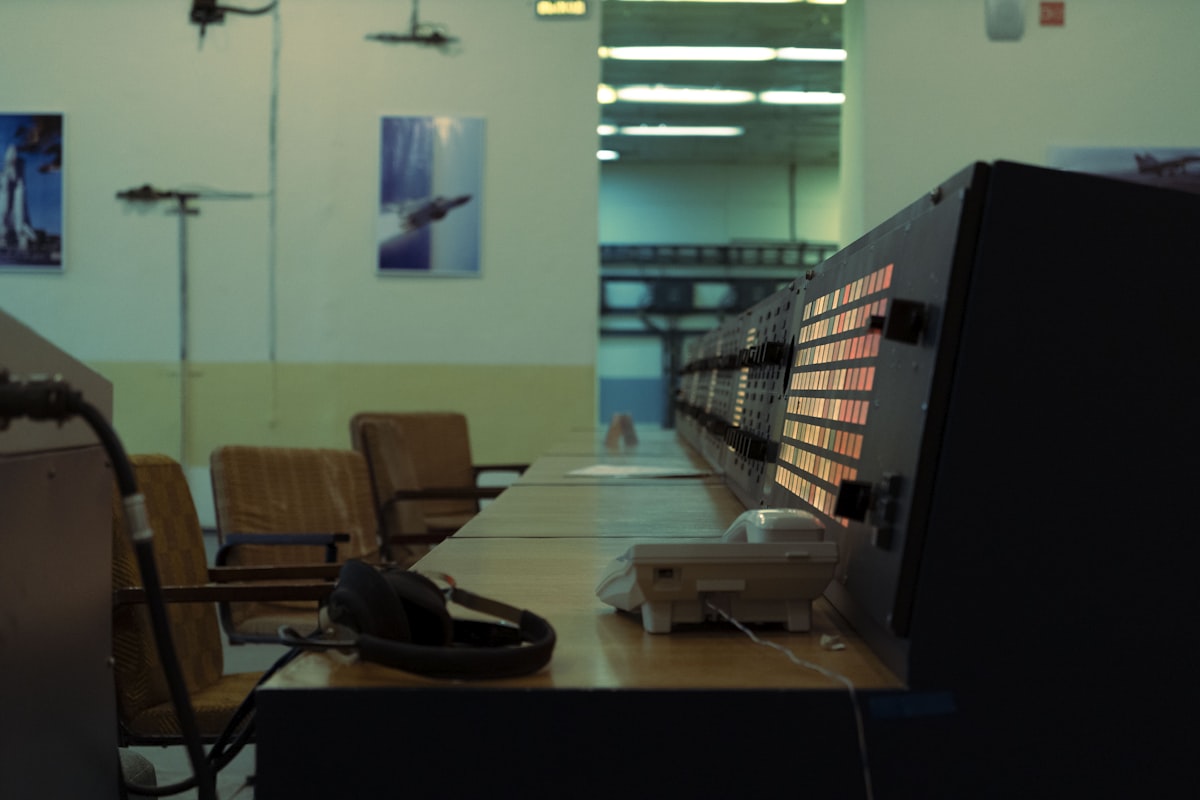
Space weather forecasting isn't just a niche scientific pursuit anymore. It's a critical shield for modern civilization. Inside a corner of the Met Office headquarters, screens display close-up imagery of the Sun, monitored around the clock by a team that works 365 days a year. And this unit, one of only a handful worldwide, exists because the weather in space can fundamentally disrupt GPS, power grids, and satellites, all technologies we depend on without a second thought. They watch every flare. We've built our world on fragile signals. So they can't blink.
A 24-Hour Watch on the Sun
The Met Office has partnered with researchers from Aberystwyth University to sharpen its space weather forecasting abilities. That's a serious problem. So the project, led by Professor Huw Morgan, Head of Space Physics at Aberystwyth, and working alongside teams from Northumbria, Durham, and Reading universities, targets a dangerous gap in our observation capabilities that leaves us exposed to solar storms we can't fully predict. It's a race against time.
Richard Stone, from the space forecasting team, explained that the current technology allows them "to diagnose anything that's happening on the Sun's surface, provide a forecast and alert the relevant users to be able to take mitigating actions." But there is a catch. The available equipment is impressive yet still in its infancy.
"We've made great strides since 2014, but observations are still limited," said Stone.
That limitation creates a nerve-wracking window. Scientists can spot an event on the Sun's surface roughly three days before it reaches Earth, but then they lose sight of it until it arrives at satellites positioned about one million miles away, leaving them with just one hour to predict its real impact. So that's it. One hour. Stone compared it to "seeing a storm on the east coast of America and then not having any observations until it gets to Ireland," which means they can't warn partners about necessary mitigation steps until the very last moment, and it's a gamble every single time.
The Economic Threat Behind the Forecasts
This is not an abstract problem. The UK government has placed severe space weather on its National Risk Register. A 2025 estimate by Lloyds found that a severe event could cost the world economy a staggering 2.4 trillion dollars over five years. Since 2014, the Met Office has worked with key infrastructure operators to produce forecasts using both ground equipment and satellites, trying to prevent that worst-case scenario.
Morgan sees the current system as a massive advantage. It's a huge mitigation of danger. "This pre-warning is a huge mitigation of the danger posed by space weather," he said, and it gives the National Grid a real opportunity to prepare and avoid power cuts, while airlines can divert their flights from high latitude to safer lower latitudes. But he's candid about the field's maturity. It's really quite a developing field. "Compared to forecasting normal weather on Earth, space weather forecasting is yet to mature where we can give exact forecasts," he admitted, and that honest gap between ambition and reality shapes his cautious optimism. So we can't expect precision just yet.
Solar Maximum and the Northern Lights
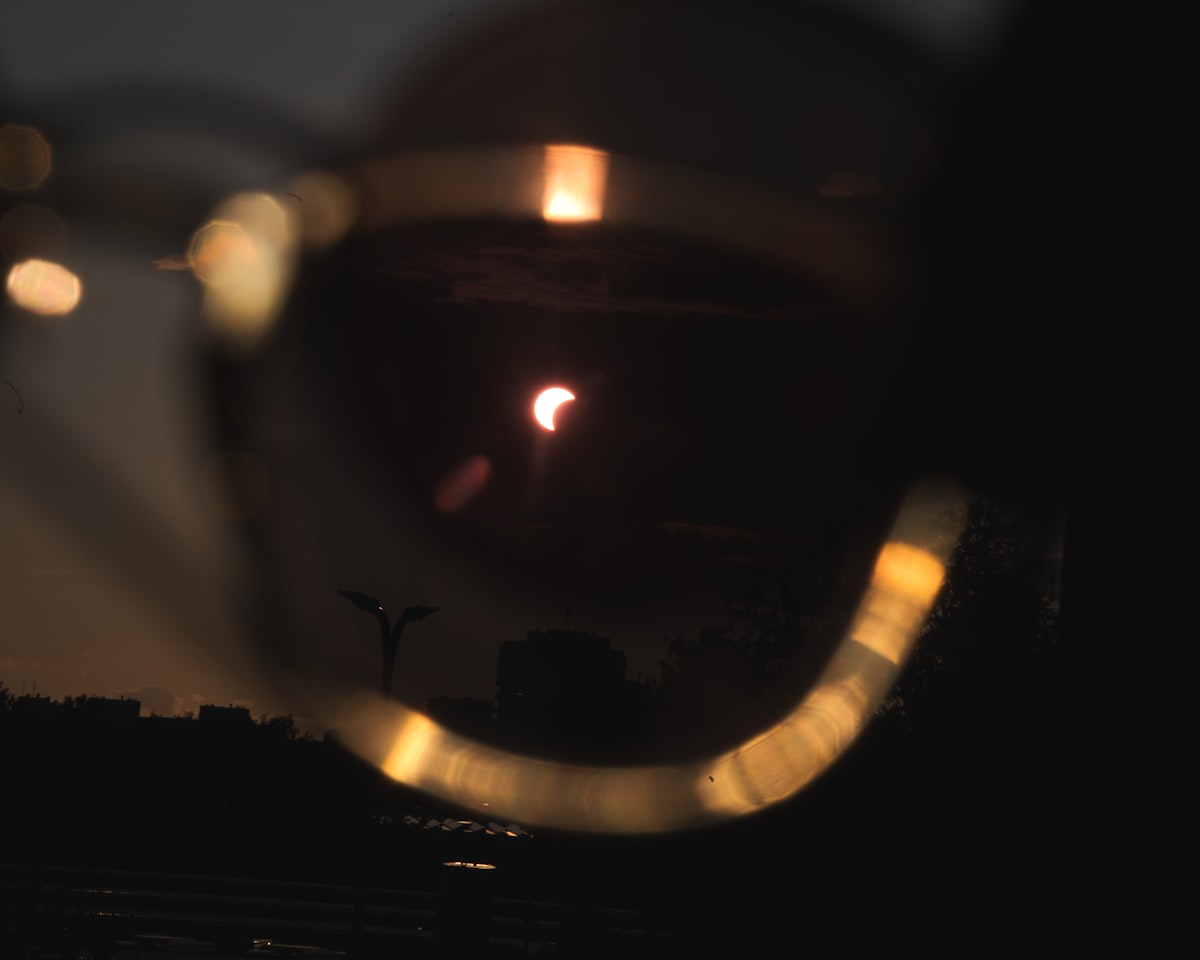
One thing scientists can predict is which years will be busiest. The Sun follows an approximately 11-year activity cycle. "We'll have some very quiet years, very little space weather, and then it peaks then, at the peak of the cycle then we can have a lot of space weather events, maybe several a day," said Morgan. The Sun reached its Solar Maximum in 2024, which is why more people saw the Northern Lights, another visible example of space weather.
Despite this increased activity, the forecast warnings have been effective. They've worked. Technology companies and infrastructure operators have taken action, so people on the ground have felt very little impact, and that's a direct result of preparations made well ahead of the storm's arrival. The system, though limited, is working. But it's not perfect.
The Carrington Benchmark
To understand what is at stake, look back to 1859. The Carrington Event, named after English astronomer Richard Carrington, is the benchmark for a worst-case geomagnetic storm. Auroras were seen across much of the world. The telegraph network, which had only begun commercial operation in the 1840s, went haywire. Stone noted that during that event, "even telegraph wires were heard to hum and crackle, and they were able to run the telegraph poles without any electricity because the input was so high."
A modern Carrington Event would be far worse. Our reliance on technology has grown exponentially, meaning the consequences without mitigation would be significantly greater.
Beyond Earth: Radiation Risks in Space
Space weather forecasting matters for those who leave the planet, too. It's a matter of survival. Dr Helen Sharman, the first British person in space, flew an eight-day mission to the Mir Space Station in 1991, and during that trip she was taught exactly where to shelter if a solar storm or radiation event struck. She experienced the effects of galactic cosmic rays firsthand. Those rays come from outside our solar system. But the lesson was clear: know your safe spot, because space doesn't care about your schedule.
"They come through the materials that spacecraft are made of," said Sharman. "They come through astronauts' skin, and they're what we notice as astronauts because quite often we see little bright flashes of light on our retinas, as those particles come through the spacecraft, through our skin, through our eyes, and affect our vision in that way."
Her experience highlights a growing concern. "The higher up you are as well, of course, the further away from the Earth's magnetic field, the more likely you are to not be protected by the Earth's magnetic field. So in low Earth orbit, by and large, we're fairly well protected. This is why, when astronauts go to the Moon, or possibly to Mars in the future, we really need to consider how we can protect them much better from radiation."
The team on the ground is doing more than just watching. They are building a bridge between solar physics and practical safety, a bridge that gets stronger with each new observation and each new forecast. The Sun will keep throwing storms our way. The only question is whether we are ready.
Frequently Asked Questions
What is the primary role of the Met Office team mentioned in the article?
The team works 365 days a year to monitor the Sun and provide space weather forecasts. Their role is to alert relevant users so they can take mitigating actions against disruptions to GPS, power grids, and satellites.
Why is there only a one-hour window to predict the real impact of a solar event?
Scientists can spot an event on the Sun's surface about three days before it reaches Earth, but then they lose sight of it until it arrives at satellites one million miles away. This leaves just one hour to predict its actual impact on Earth.
How does the article describe the current state of space weather forecasting compared to Earth weather forecasting?
The article states that space weather forecasting is yet to mature where exact forecasts can be given, unlike normal Earth weather forecasting. Morgan admits that the field is still developing and cannot provide the same level of precision.
Who is Professor Huw Morgan and what is his role in space weather forecasting?
Professor Huw Morgan is the Head of Space Physics at Aberystwyth University and leads a project partnered with the Met Office. The project targets a dangerous gap in observation capabilities to improve space weather forecasting.
What practical advice does Dr Helen Sharman give about radiation protection for astronauts?
Dr Helen Sharman advises that astronauts need to know their safe spot to shelter during a solar storm or radiation event. She also highlights that higher orbits, like trips to the Moon or Mars, require better protection from radiation because the Earth's magnetic field offers less shielding.

Astrid Berg covers space and astronomy, from missions and launches to the science of the universe. She follows the ongoing effort to explore beyond our planet.
💬 Comments (0)
No comments yet. Be the first!