China Launches Guowang, Yaogan-40 Satellites
China launches Guowang and Yaogan-40 satellites, reaching 70 orbital launch attempts for 2026 ahead of a busy Q4 manifest.
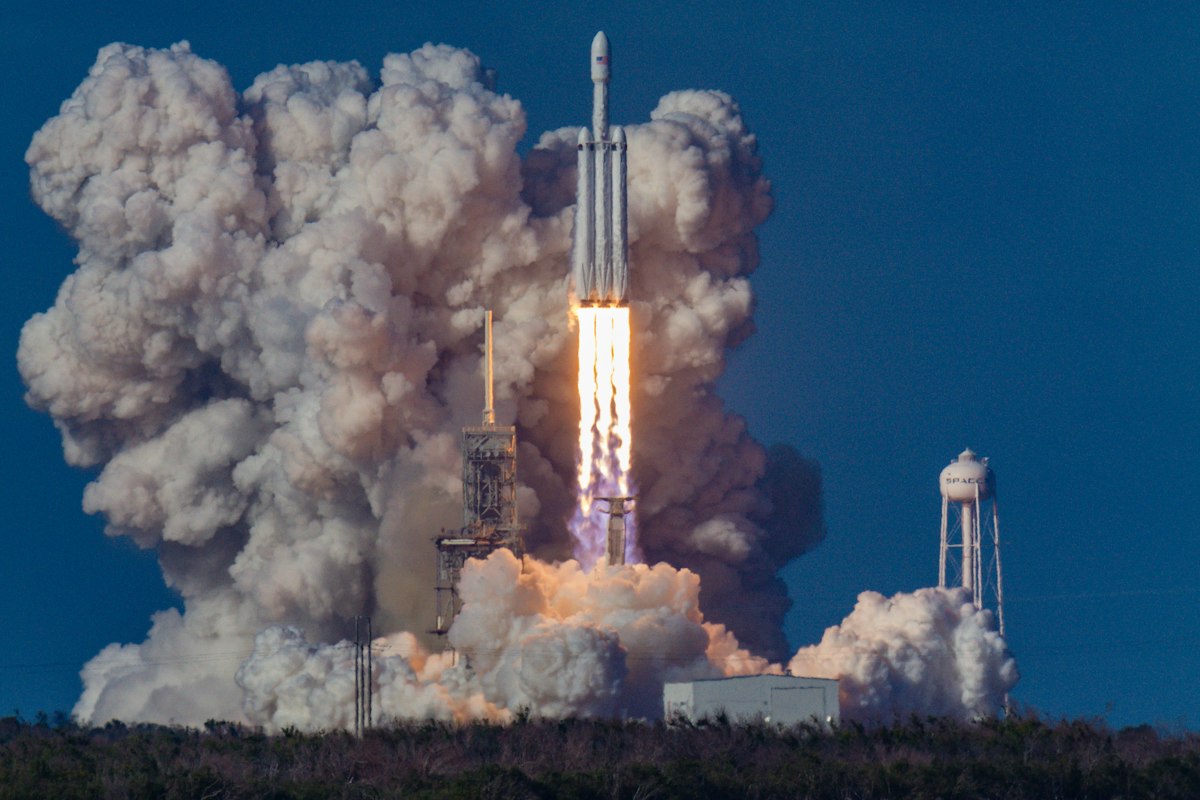
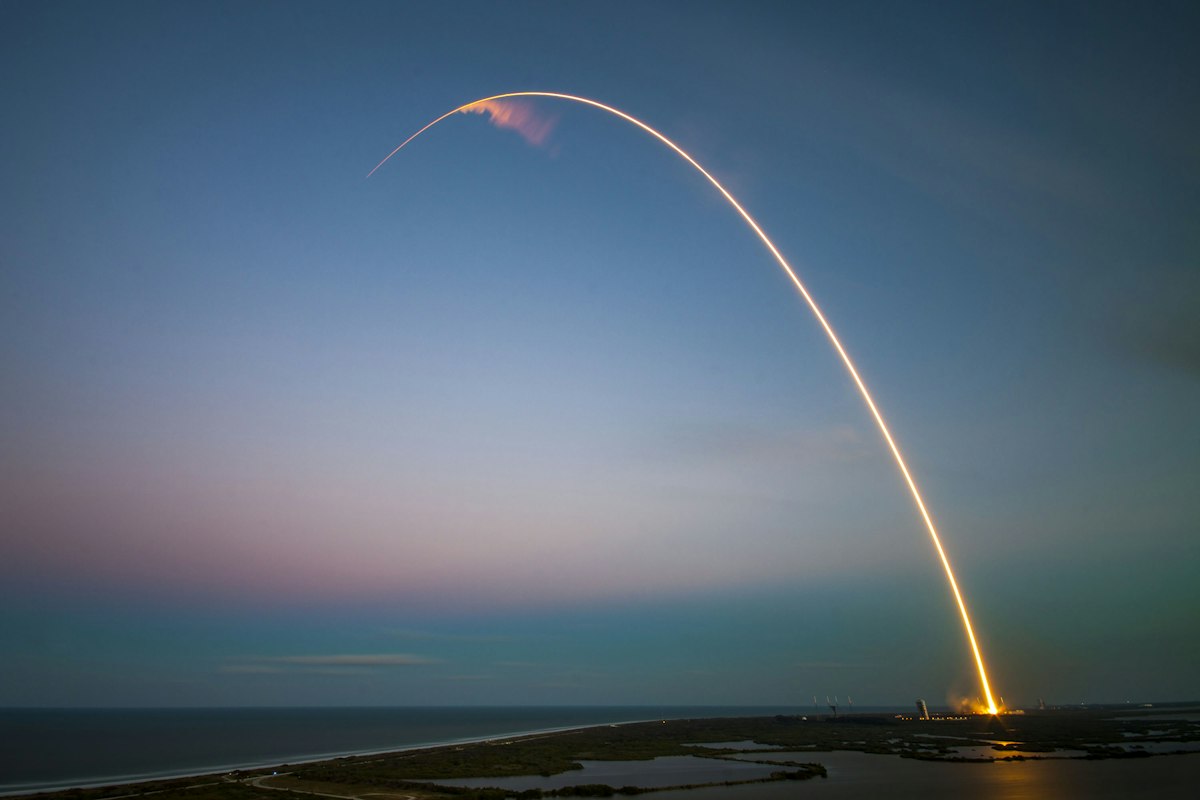
China launches Guowang satellites into orbit alongside another Yaogan reconnaissance batch, closing out a September that saw the country's launch cadence hit a pace rarely matched anywhere on Earth. A Long March 8A lifted off at 9:32 a.m. Eastern on Sept. 23 from the Hainan commercial spacecraft launch site, carrying the 26th group of satellites for the Guowang national low Earth orbit internet project. Less than a day later, a Long March 6A roared away from Taiyuan Satellite Launch Center at 4:46 a.m. Eastern on Sept. 24 with the fourth group of Yaogan-40 satellites.
That is the rhythm Chinese space planners have settled into.
Guowang's Quiet March Toward 13,000 Satellites
The Guowang payloads reached their planned orbits, according to China Aerospace Science and Technology Corp. U.S. Space Force tracking later placed the satellites in roughly circular orbits at 1,100 kilometers altitude, inclined by 50 degrees. The batch was developed under the overall leadership of the China Academy of Space Technology, CASC's primary spacecraft manufacturer.
Guowang is operated by China SatNet. That's a state-owned enterprise founded in 2021. The constellation is planned to comprise around 13,000 satellites, and it draws hardware from multiple manufacturers while flying on a range of Long March vehicles, which keeps the program tied to a broad industrial base. The Long March 8A, which debuted in February 2025, has become a regular workhorse from Hainan's commercial pads. And they're not slowing down.
What the Yaogan-40 Group Actually Does
The three Yaogan-40 (04) satellites will mainly handle electromagnetic environment detection and related technology experiments, according to Xinhua, which used the boilerplate language typical of Yaogan launches. CAST led development on these as well. The spacecraft entered near polar orbits at roughly 800 kilometers altitude, joining three earlier batches in similar orbits.
Analysis by Integrity ISR indicates the Yaogan-40 groups are placed into orbital planes separated by 72 degrees in right ascension of the ascending node. That spacing suggests a fifth group will be needed to complete the constellation.
A Rocket With a Clean Record and a Dirty Secret
The Long March 6A is a kerosene-liquid oxygen core with solid boosters. It's one of CASC's main vehicles. And it flies both Yaogan and megaconstellation missions from Taiyuan. Since its debut in March 2022, the rocket has now flown 27 times, and every single flight, from the first to the most recent, has successfully reached orbit.

Though the upper stage has experienced a number of breakup events after payload deployment.
A perfect orbital insertion record means little when the hardware left behind fragments into debris. The Long March 6A's upper stage has repeatedly broken apart after delivering its payloads, a pattern that raises questions about long-term orbital sustainability even as the rocket itself performs flawlessly on the way up.
Seventy Down, Thirty-One to Go
These two launches bring China to 70 orbital launch attempts for 2026. The country aims to surpass 100 launches in a calendar year for the first time. The math is straightforward. China flew 18 times in Q1, 26 in Q2, and 26 in Q3. At least 31 launches in Q4 are needed to cross the century mark.
Four quarters, and the final one carries the heaviest load. China's annual schedule is typically backloaded, with a greater number of launches packed into the later months.
What Q4 Might Bring
One major mission will be Shenzhou-24. China's next crewed flight now appears likely to launch around November, using a Long March 2F from Jiuquan. The crew is expected, though not officially confirmed, to include a Pakistani payload specialist chosen from one of two Pakistan Air Force pilots training at the Astronaut Center of China. The selected astronaut would become the first foreign astronaut to visit Tiangong.
A press conference a day ahead of the Shenzhou-24 launch may also provide updates on the schedule for the first launch of the Mengzhou new generation spacecraft and the Long March 10A. Both are tied to China's crewed lunar plans.
Possible debut launches include:
- Orienspace's Gravity-2
- iSpace's Hyperbola-3, with a first stage recovery attempt
- Zhihang-1 from Zenk Space, which earlier aimed for a June launch
These would add to 2026 debuts that already include Tianlong-3 in April, Kinetica-2 in March, the Long March 12B in June, Long March 10B in July, and Pallas-1 on Sept. 1.
Numerous launches for the Guowang and Qianfan constellations are also expected. Other notable possible payloads in the coming months include Fengxing-1 on a Gravity-1 solid rocket, which could be China's first commercial orbital transfer vehicle, from Future Space. Space computing payloads are also on the docket.
The schedule for the planned debut flight of the Haolong reusable spaceplane for cargo to Tiangong from AVIC on a Zhuque-3 rocket from Landspace is currently unknown.
They're far from 13,000 satellites. That's the target, and the constellation is nowhere near it. But the 26th batch is in orbit, and more are coming. The final quarter will decide something bigger, because it's the stretch that determines whether 2026 becomes the year China's launch count finally breaks triple digits, a milestone that's been building for years and still can't be taken for granted.
Frequently Asked Questions
What did China launch on September 23 and 24, according to the article?
A Long March 8A lifted off on Sept. 23 carrying the 26th group of satellites for the Guowang national low Earth orbit internet project. Less than a day later, a Long March 6A launched the fourth group of Yaogan-40 satellites from Taiyuan Satellite Launch Center.
Who operates Guowang and how large is the planned constellation?
Guowang is operated by China SatNet, a state-owned enterprise founded in 2021. The constellation is planned to comprise around 13,000 satellites, drawing hardware from multiple manufacturers and flying on a range of Long March vehicles.
What will the Yaogan-40 (04) satellites mainly do, and what does their orbital spacing suggest?
The three Yaogan-40 (04) satellites will mainly handle electromagnetic environment detection and related technology experiments, according to Xinhua. Analysis by Integrity ISR indicates the Yaogan-40 groups are placed into orbital planes separated by 72 degrees in right ascension of the ascending node, suggesting a fifth group will be needed to complete the constellation.
How has the Long March 6A performed in terms of orbital insertion and debris?
Since its debut in March 2022, the Long March 6A has flown 27 times and every single flight has successfully reached orbit. However, the upper stage has experienced a number of breakup events after payload deployment, a pattern that raises questions about long-term orbital sustainability.
What launch milestone is China trying to reach in 2026, and what does the math require?
These two launches bring China to 70 orbital launch attempts for 2026, and the country aims to surpass 100 launches in a calendar year for the first time. China flew 18 times in Q1, 26 in Q2, and 26 in Q3, so at least 31 launches in Q4 are needed to cross the century mark.

Leo Sokolov reports on spaceflight and the companies and agencies racing to reach orbit and beyond. He is captivated by the engineering that makes leaving Earth possible.
💬 Comments (0)
No comments yet. Be the first!