Carbon Rocks Deep Underground Could Hold Evidence of Mars' Watery Past
A new JAXA-led geochemical study suggests carbon rocks deep underground could hold the evidence of Mars' watery past, with groundwater burying carbonates.
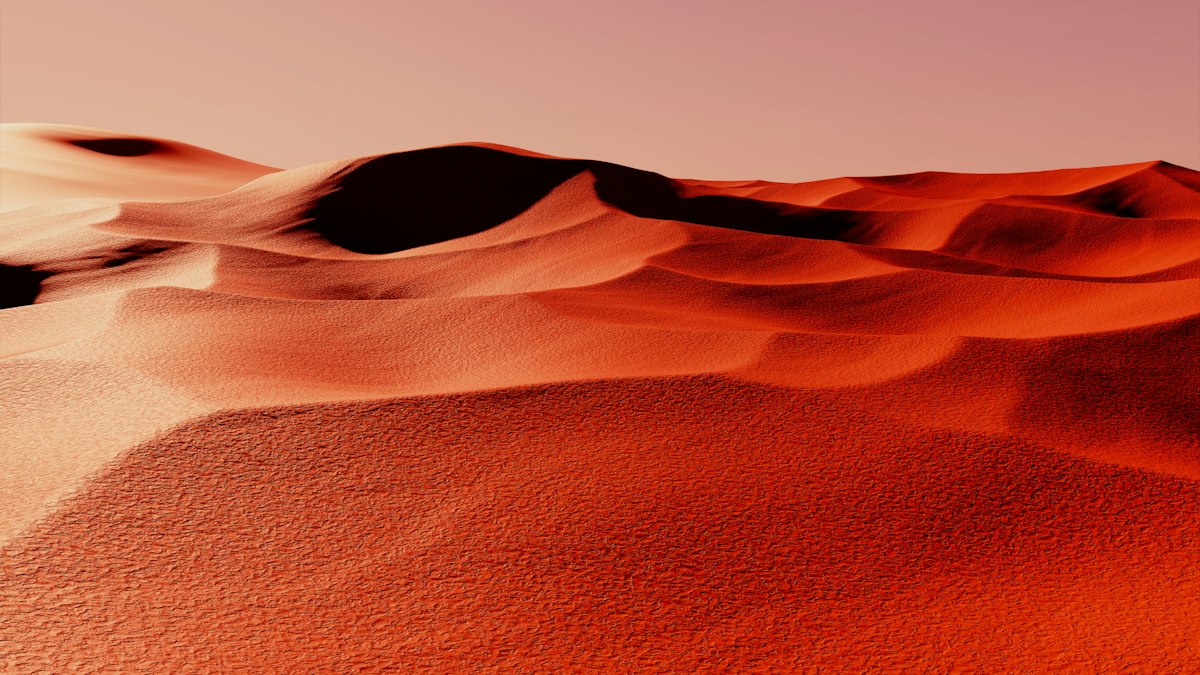
Carbon rocks deep underground may be the missing piece in one of planetary science's most stubborn puzzles. Mars was once wet. Orbiters and rovers have mapped river deltas, lakebeds, and a vast northern ocean that could have covered much of the planet. A thick carbon dioxide atmosphere almost surely wrapped around it. So where did all the carbonate go?
On Earth, water plus carbon dioxide plus rock usually adds up to carbonates. They're the chalk. The limestone. The marble of our world. On Mars, the surface inventory is strangely thin, far below what a long wet history should have produced, and scientists have chased that mismatch for decades because the numbers just don't fit what we've long assumed about the planet's past. A new geochemical study led by researchers at the Japan Aerospace Exploration Agency now offers a two-part answer. Both parts point downward.
Two Kinds of Carbonate, One Odd Split
The scarcity is only half the problem. The carbonates that have been spotted on Mars fall into two chemically distinct camps. One is rich in calcium and iron. The other is rich in magnesium. Explaining that split has never been easy, because early Mars should have been dominated by mafic rocks, the dark iron and magnesium heavy material that makes up much of the Martian crust.
Feldspar rich rocks keep showing up. Orbiting instruments spot them. Rovers confirm them. These minerals carry more calcium, sodium, and aluminum, and they make up roughly 60 percent of Earth's crust, which is a fact we've known for a long time. The evidence suggests they were once widespread on Mars too.
That matters more than it sounds. If you run water through the wrong rock, you get the wrong carbonate.
Running the Numbers on Ancient Water
Chang-Chin Wang, a doctoral student, led the work alongside Professor Tomohiro Usui of the Institute of Space and Astronautical Science at JAXA and the University of Tokyo, and Associate Professor Mohit Melwani Daswani from the Earth-Life Science Institute at the Institute of Science Tokyo and the SETI Institute. Their findings appear in the journal JGR Planets.
The team built models to test their idea.
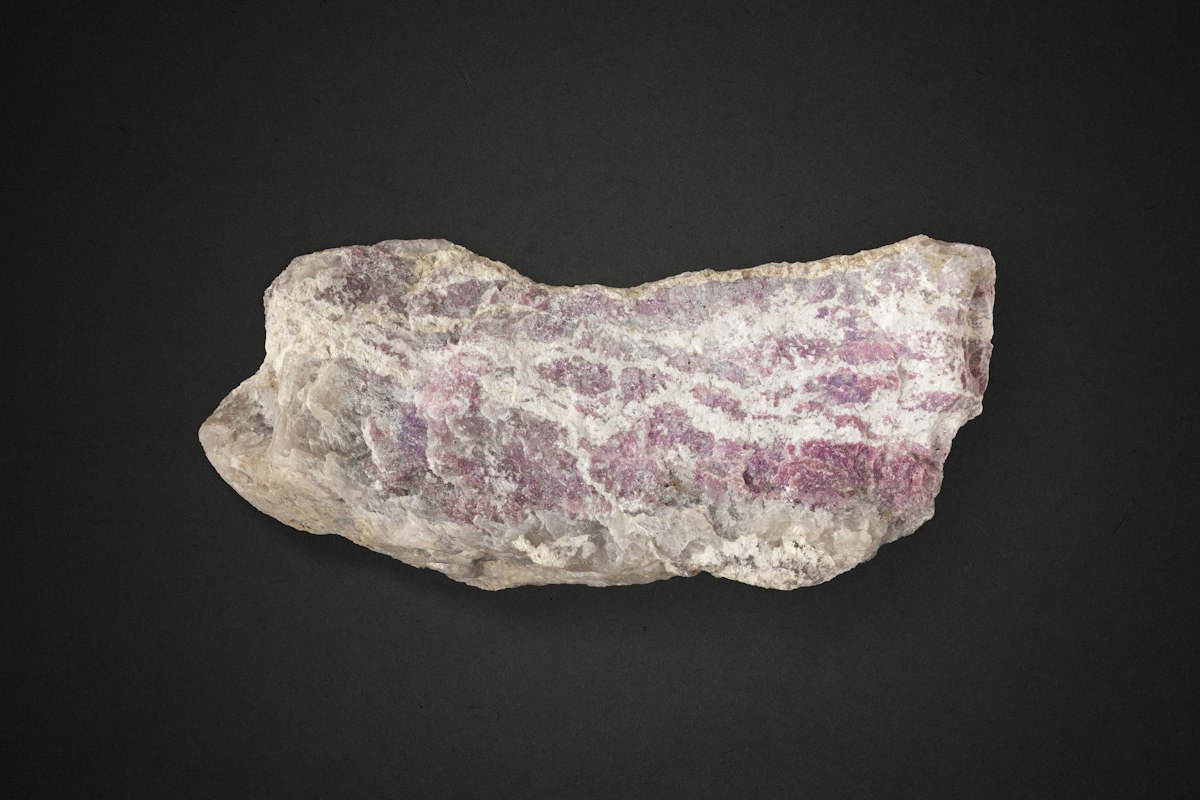
The results split cleanly along rock type. Feldspar rich rock produced calcium and iron rich carbonates under most conditions the team tested, a steady outcome across the trials they ran. Mafic rock managed the same trick only briefly. It happened during short pulses of alteration. Then enough magnesium bearing minerals dissolved and the chemistry swung toward magnesium rich carbonates. That single difference could explain why Mars shows two carbonate families instead of one blended signature, and it's a distinction that, if the team's reading holds up under further testing, might account for the split we've seen in the Martian record rather than a single mixed signal.
The simulations also revealed that percolating groundwater was far more efficient at forming carbonates than standing water.
The Water Went Down, and the Carbon Went With It
Groundwater did something else in the models. It tended to dissolve carbonates near the surface and reprecipitate them deeper underground. That is a quiet but enormous implication. If the process played out on early Mars, substantial stores of carbonate rock could be sitting beneath the surface right now, locked away from every instrument we have pointed at the planet.
It also dovetails with a long standing idea about Mars' "missing water." Scientists know the planet lost most of its surface water as the climate shifted to cold and dry billions of years ago. Water likely retreated underground. Carbon rocks deep underground would have gone along for the ride.
What a Drill Could Find
For future missions, the study points to a concrete target. Drilling into feldspar rich terrain could expose direct evidence of Mars' warmer, wetter past. Those same operations could strike the underground aquifers that water dependent exploration will almost surely depend on, since surface water is not an option. Finding one would help find the other.
- Feldspar rich rock readily forms calcium and iron rich carbonates under most modeled conditions.
- Mafic rock produces those carbonates only during brief alteration windows.
- Percolating groundwater outperforms standing water at carbonate formation.
- Groundwater reprecipitates carbonates at depth, hiding them from surface surveys.
Why the Surface Looks Dry
The picture isn't of a planet that failed to make carbonates. It's of a planet that filed them away. Surface surveys see the leftovers. They're the thin residue, the stuff that escaped burial. And the bulk of the record, if the models hold, sits in the crust, waiting for a drill bit.
That reframes how scientists read orbital data. A feldspar rich outcrop is no longer just a rock type. It is a candidate window into a wetter era, and possibly a marker for water still down there. Missions planned around Martian water sources will likely center on underground aquifers, which makes these carbon rocks deep underground both a scientific prize and a practical resource.
The study doesn't claim to have found the carbonates. It claims to have found a mechanism, one that puts them where we haven't looked, on a planet where every rover has scratched at the surface, and that, in the end, is a meaningful shift. The evidence of Mars' watery past may not be missing at all. It's simply buried.
Frequently Asked Questions
What two chemically distinct types of carbonate have been spotted on Mars, and why has explaining this split been difficult?
The carbonates found on Mars fall into two camps: one rich in calcium and iron, and the other rich in magnesium. Explaining this split has been difficult because early Mars should have been dominated by mafic rocks, yet feldspar-rich rocks keep showing up in orbital and rover data.
Why do the differing rock types on Mars lead to different carbonate outcomes according to the team's models?
Feldspar-rich rock produced calcium and iron rich carbonates under most conditions tested, while mafic rock managed the same only during short pulses of alteration before swinging toward magnesium-rich carbonates. That single difference could explain why Mars shows two carbonate families instead of one blended signature.
How did percolating groundwater differ from standing water in the simulations, and what implication did this have for where carbonates might be found?
Percolating groundwater was far more efficient at forming carbonates than standing water, and it also tended to dissolve carbonates near the surface and reprecipitate them deeper underground. If this played out on early Mars, substantial stores of carbonate rock could be sitting beneath the surface right now, locked away from every instrument pointed at the planet.
Who led the new geochemical study, and what tools and models did the team use to test their idea?
The work was led by Chang-Chin Wang alongside Professor Tomohiro Usui of JAXA and the University of Tokyo, and Associate Professor Mohit Melwani Daswani from the Earth-Life Science Institute and the SETI Institute. The team built one-dimensional thermochemical models relying on the PHREEQC Version 3 geochemical code, covering alteration episodes from a few years to 100,000 years.
What practical target does the study point to for future missions, and why could drilling there be valuable for both science and exploration?
The study points to drilling into feldspar-rich terrain, which could expose direct evidence of Mars' warmer, wetter past. Those same operations could strike underground aquifers that water-dependent exploration will depend on, since surface water is not an option, making these carbon rocks deep underground both a scientific prize and a practical resource.

Leo Sokolov reports on spaceflight and the companies and agencies racing to reach orbit and beyond. He is captivated by the engineering that makes leaving Earth possible.
💬 Comments (0)
No comments yet. Be the first!