Blood Tests Find High PFOA Levels Near UK Chemical Factory
Blood tests found high PFOA levels in residents near a UK chemical factory in Thornton-Cleveleys, with 70% at increased health risk.
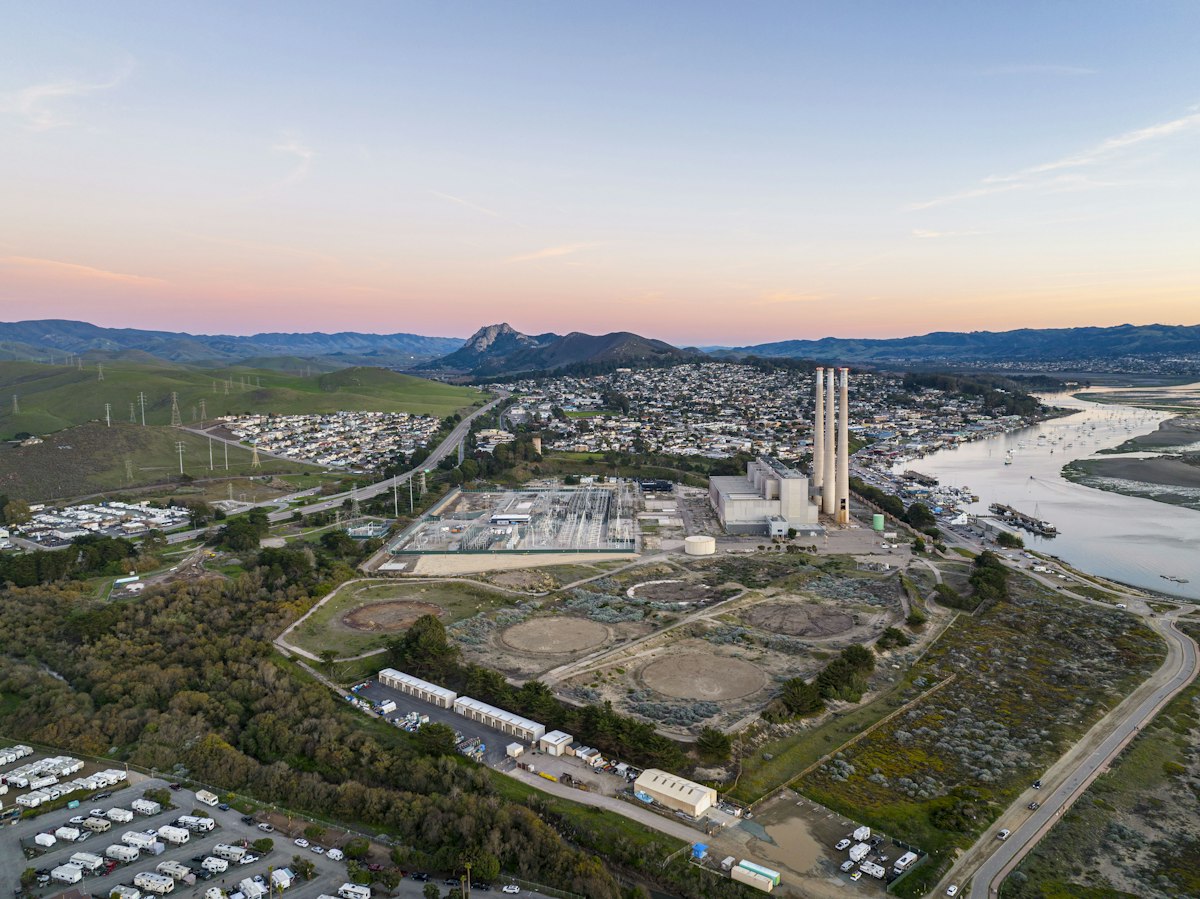
PFOA blood tests jolted a Lancashire village. It's been wondering for years. Just how much of a banned industrial chemical had settled into its residents? Dozens of people living near the AGC Chemicals factory in Thornton-Cleveleys were told on Wednesday that their readings were far above what would be expected in the general population, with many landing in categories that US and German guidelines associate with elevated health risks, and that's a lot to take in. So they're worried.
The testing was not run by the government. It came about because residents pushed for answers the UK Health Security Agency declined to pursue, arguing that PFAS monitoring is unlikely to provide clear information for individuals. Independent researchers at Manchester Metropolitan University stepped in instead, with funding from investigative journalists at Watershed and the legal nonprofit Law for Change, which supports environmental cases. Forty-nine residents volunteered. All of them got their results this week.
What the Results Actually Show
Seventy percent of the participants had readings that could place them at increased risk of adverse health effects when measured against guidelines used in the United States and Germany. The UK has no such threshold. Possible outcomes linked to elevated PFOA include reduced thyroid function, kidney cancer, testicular cancer, elevated cholesterol, pre-eclampsia and ulcerative colitis. Elevated forever chemicals in the blood are not a guarantee that any of these conditions will develop.
PFOA belongs to a family of substances known as PFAS, prized for resisting water and oil and used in everything from clothing to cookware. They do not break down easily, which is how they earned the forever chemical label. The World Health Organization classified PFOA as a Group 1 carcinogen, meaning there is clear scientific evidence it can raise cancer risk. The UK banned it in 2020.
The Family at the Centre
Sam Hammond and her husband both learned they face increased risk. It was her son's result that hit hardest.
When we opened the results...it was like, my God, that is ridiculously off the scale. "I feel guilty because I've introduced [my children] to that way of life. I know it isn't my fault, but the guilt is horrific. Knowing that I've offloaded what levels I probably had over the years into those children when I breastfed them, that's heartbreaking,
Andrew Molloy expected nothing unusual. The local investigation had focused on people who eat homegrown produce or keep their own hens, and he does neither. His home was built on land that once belonged to the factory. He is taking his results to his GP.
One of the first things I'm going to do, he said, is take the results to my GP and at least get it on my record. They seem to refuse to do anything related to this. But now I have hard information and data. That's it. I can't make them act, and they don't want to listen, but what I've got now is something they can't ignore, because it's real, it's documented, and it's mine.
Mario Panteli was visibly shaken. He said the news was emotional and shocking. He'd bought his property as a forever home, a place where he and his family could settle for good, where his kids could grow up and put down roots without ever worrying about being moved on again. Now he plans to keep his children out of the garden. Front and back. "I feel constricted," he said. "Like I'm in a cage now.
How the Contamination Was Traced
The testing started in 2024. The Environment Agency and Wyre Council have been checking the area around the plant since then, and what they found in the soil, in eggs, and in vegetables grown locally were elevated levels of PFOA. Two allotment sites have closed. They're due to be classified as contaminated land. Households within one kilometre of the factory were told to peel any fruit or vegetables grown in their gardens. And the investigation concluded the chemical likely travelled through the air from the site, which is something residents don't take lightly.

The factory began operating in the 1950s. Back then, ICI made coatings for non-stick frying pans using PFOA. AGC Chemicals took over in 1999. And it kept using the substance until 2012, when it switched to a replacement called EEA-NH4, a change that came years after the plant had already been churning out those coatings. That substitute turned up in the blood of ten residents tested.
Dr David Megson, who ran the testing, said the findings made him feel sick. "To me, it shows something seriously wrong has happened to that community in that area, that the levels were far higher than anything we would have ever expected to see in the general population," he said.
What the Numbers Do Not Mean
Not every specialist reads the results as an immediate personal verdict. Dr Steve Hajioff, a public health specialist who was not involved in the testing, pointed out that PFOA levels may have been higher in the past, since the factory stopped using the chemical in 2012 and it degrades over time. He said the readings are associated with elevated risks.
That framing offers little comfort to people whose results sit in the highest bands.
A Legal Fight Takes Shape
More than 100 residents are weighing a group legal action against AGC Chemicals. That includes people who gave blood. Sarah Moore is a partner at Leigh Day, which represents some of them, and she said compensation could cover financial losses tied to property values along with the impact on residents' use and enjoyment of their land. Damages could also be sought over health risks. She called that a major issue. It's a major issue following the local testing.
She called the case a first for the UK and said it would be the first time a community has brought a legal claim over contamination from forever chemicals in the country.
The closest overseas comparison is a case in West Virginia depicted in the 2019 film Dark Waters, where DuPont and Chemours settled more than 3,500 PFOA lawsuits for a total of $671m. Both companies have always denied wrongdoing.
What Happens to the Site
- AGC Chemicals said the factory will close later this year after deciding there was no viable solution to keep it operating in a volatile and competitive market.
- A company spokesperson noted the site manufactured chemicals long before the firm was established and said no formal determination of land contamination has been made while the multi-agency investigation continues.
For the families in Thornton-Cleveleys, the PFOA blood tests have replaced uncertainty with hard numbers. What they do with those numbers, and what the factory's owners owe them, is now a matter for doctors and lawyers.
Frequently Asked Questions
What did the PFOA blood tests reveal about residents living near the AGC Chemicals factory?
Dozens of people living near the AGC Chemicals factory in Thornton-Cleveleys were told on Wednesday that their readings were far above what would be expected in the general population, with many landing in categories that US and German guidelines associate with elevated health risks. Seventy percent of the participants had readings that could place them at increased risk of adverse health effects when measured against guidelines used in the United States and Germany.
Why did independent researchers conduct the PFOA blood tests instead of the government?
The testing was not run by the government and came about because residents pushed for answers the UK Health Security Agency declined to pursue, arguing that PFAS monitoring is unlikely to provide clear information for individuals. Independent researchers at Manchester Metropolitan University stepped in instead, with funding from investigative journalists at Watershed and the legal nonprofit Law for Change.
How was the PFOA contamination traced in the area around the factory?
The testing started in 2024, and the Environment Agency and Wyre Council have been checking the area around the plant since then, finding elevated levels of PFOA in the soil, in eggs, and in vegetables grown locally. The investigation concluded the chemical likely travelled through the air from the site.
When did the AGC Chemicals factory stop using PFOA, and what did it switch to?
The factory kept using PFOA until 2012, when it switched to a replacement called EEA-NH4, a change that came years after the plant had already been churning out those coatings. That substitute turned up in the blood of ten residents tested.
Who is taking legal action in connection with the PFOA contamination, and what could compensation cover?
More than 100 residents are weighing a group legal action against AGC Chemicals, including people who gave blood. Sarah Moore, a partner at Leigh Day, said compensation could cover financial losses tied to property values along with the impact on residents' use and enjoyment of their land, and damages could also be sought over health risks.

Arthur Vance writes about astronomy and space exploration, covering the discoveries that expand our view of the cosmos. He enjoys connecting distant science to the questions we ask here on Earth.
💬 Comments (0)
No comments yet. Be the first!