Ariane 6 Anomaly: Europe's Rocket Autonomy in Jeopardy
A critical upper stage anomaly on Ariane 6's debut flight casts a long shadow over Europe's flagship launcher and its 2024 mission manifest.
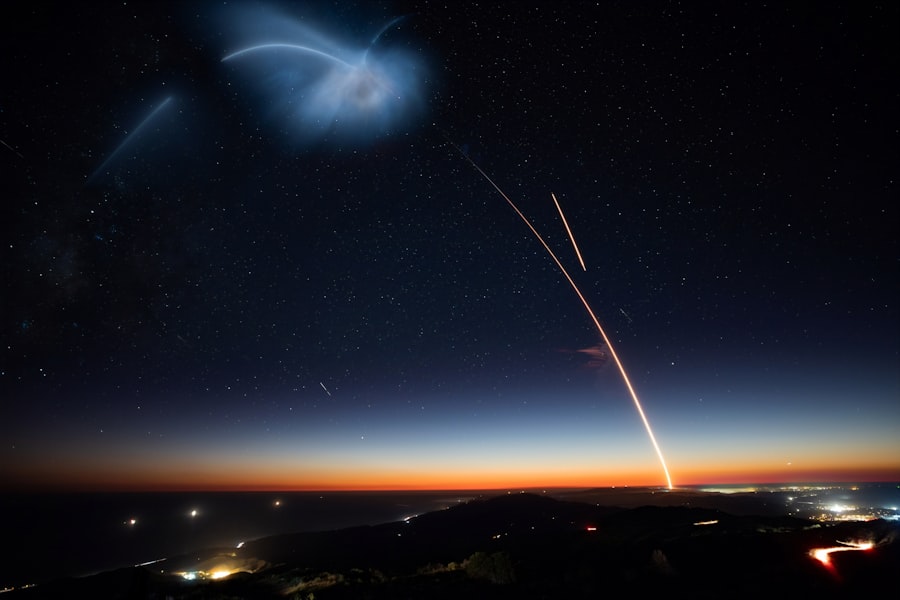
Ariane 6 anomaly struck during what was supposed to be a triumphant return to flight for European rocketry. In the mission control center in Kourou, French Guiana, the mood shifted from jubilant to grim in the span of a few seconds. The launch itself, on July 9, 2024, was flawless, a roaring ascent into the clear tropical sky. But then, as the upper stage's Vinci engine completed its burn, telemetry screens flashed with warnings. Something was wrong with the Auxiliary Propulsion Unit, a critical system for controlling the stage's orientation and deorbit. The team watched, helpless, as the data stream told a story of deviation, a path drifting away from the planned safe disposal trajectory. This was not the clean debut Europe had spent a decade and billions of euros to achieve. The Ariane 6 anomaly, confirmed by the European Space Agency in a statement mere hours after launch, instantly transformed a celebration into a crisis.
The Moment Everything Changed: Ariane 6 Anomaly Unfolds
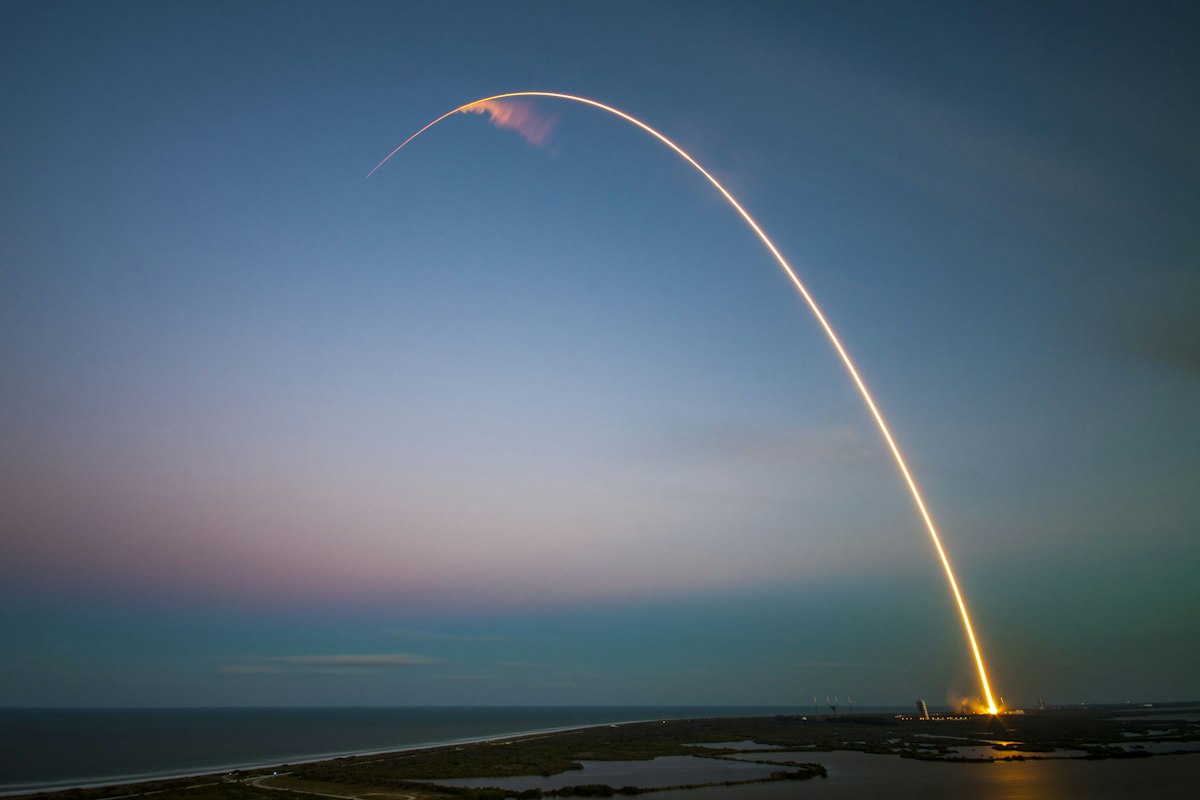
Live footage showed the rocket lifting off perfectly at 4 pm local time. The solid boosters separated, the core stage's Vulcain 2.1 engine cut off as planned, and the upper stage took over. For the public, it looked like a success. Satellites were deployed. But in the backrooms of the Jupiter control room, engineers were already piecing together the first signs of the Ariane 6 anomaly. According to the flight telemetry data shared on the ESA live stream, the Vinci engine reignited successfully for its second burn. The problem began afterward. The Auxiliary Propulsion Unit, a small but vital system, failed to pressurize correctly. This APU is supposed to use helium to push propellant to the thrusters that steer the stage and control its spin. Without it, the upper stage was left adrift, unable to execute a controlled deorbit burn. Instead of a graceful descent into the South Pacific, it remained in a long lived, unstable orbit. This specific Ariane 6 anomaly turned a planned disposal into a new piece of space junk, a glaring blemish on the mission's record.
"The upper stage performed as expected for the mission, deploying the satellites. However, an anomaly occurred with the Auxiliary Propulsion System, preventing a controlled deorbit," an ESA spokesperson stated in a press briefing on July 9. This carefully worded admission was the first official confirmation of the problem.
Here is the part they didn't put in the official mission briefing. While the primary customer payloads were delivered safely, the rocket's upper stage itself is a massive, multi ton object. Leaving it in an uncontrolled orbit is a violation of modern space debris mitigation standards, the very standards Europe champions. This Ariane 6 anomaly isn't just a technical glitch, it's a political and environmental liability. The stage is now circling Earth in an elliptical orbit, and its eventual re entry path is unpredictable. This single event has given ammunition to every critic who said the program was rushed.
Under the Hood: The Technical Heart of the Ariane 6 Anomaly
To understand why this Ariane 6 anomaly matters, you need to understand what the APU does and why it failed. The Vinci engine on the upper stage is a masterpiece of engineering, a closed cycle expander engine that can be restarted multiple times. But the Vinci is only for major velocity changes. Fine control, attitude adjustment, and settling propellant in the tanks for restarts is the job of a separate system, the Auxiliary Propulsion Unit.
Inside the Upper Stage: The APU Failure
The APU on Ariane 6 is a pressure fed system. It relies on high pressure helium stored in composite overwrapped pressure vessels. This helium is meant to push the monomethylhydrazine fuel and nitrogen tetroxide oxidizer to a cluster of small thrusters. The anomaly, as described in preliminary data, was a rapid loss of helium pressure. The leading theory among engineers analyzing the public data is a valve failure or a rupture in the helium network. Without that pressure, the thrusters got no propellant. The stage couldn't point itself correctly for the final deorbit burn, and it began to tumble. Let's break down the orbital math here. The Vinci engine had already placed the stage in a transfer orbit. The final burn was meant to lower the perigee to ensure atmospheric capture within a few orbits. Without that burn, the stage remains in a high altitude graveyard, a silent testament to the complexity of rocketry and the severity of this Ariane 6 anomaly.
Orbital Mechanics Gone Awry
The intended orbit for disposal was a decay trajectory with a perigee of under 200 kilometers. The actual orbit achieved after the Ariane 6 anomaly has a perigee estimated at over 500 kilometers. At that altitude, atmospheric drag is minimal. This object could remain in space for years, even decades, posing a long term collision risk. This isn't a minor oversight, it's a fundamental mission objective failure. The Ariane 6 was designed from the ground up to be 'debris clean', a selling point to commercial and institutional customers. This Ariane 6 anomaly has shattered that promise on the very first flight.
But wait, it gets worse. The APU isn't just for deorbit. For future, more complex missions, like those requiring multiple satellite deployments to different orbits, the APU is absolutely critical. It controls the stage's orientation between burns. If this Ariane 6 anomaly points to a systemic flaw in the APU design or manufacturing, every single rocket currently in production at the ArianeGroup facilities in France and Germany could be affected. The entire manifest, including contracts for European Galileo navigation satellites and ESA science missions, is now under a cloud.
A Cascade of Consequences: Strategic Implications of the Anomaly
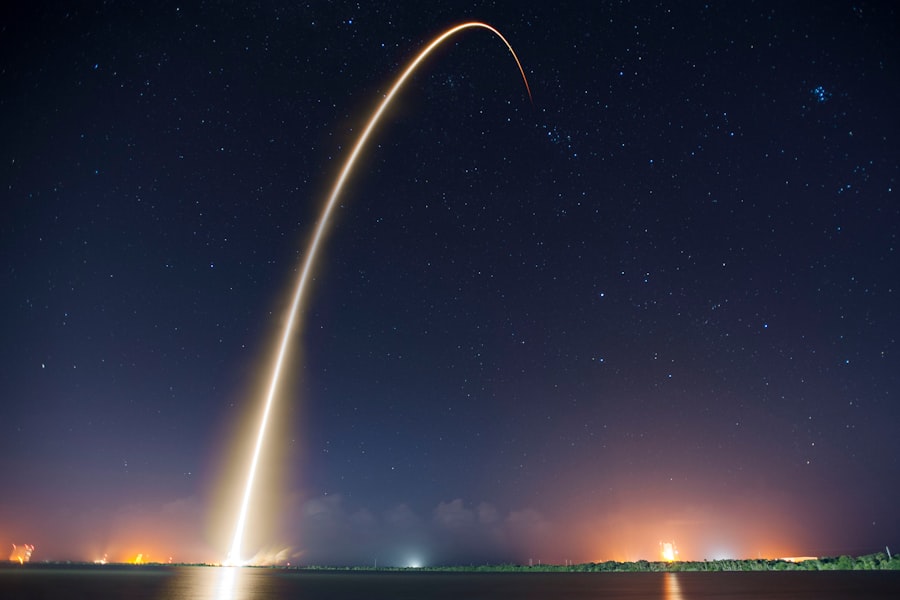
This Ariane 6 anomaly is not happening in a vacuum. Europe has bet its entire autonomous access to space on this rocket. The retirement of the Ariane 5 and the failure of the Vega C rocket left a gaping hole. Nations and companies needing to launch satellites have been waiting for years. Now, the very rocket meant to save them has a black mark on its first report card. The strategic implications are immediate and severe.
- Commercial Confidence: Private satellite operators buy rides based on reliability and predictability. An anomaly on the first flight, especially one that creates space debris, makes sales teams' jobs infinitely harder.
- Institutional Dependency: European governments have payloads that must fly on European rockets for security and geopolitical reasons. This Ariane 6 anomaly introduces doubt into the schedule for these critical national assets.
- Financial Pressure: Each Ariane 6 launch is subsidized by European taxpayers to the tune of tens of millions of euros. The political will to continue that subsidy weakens with every publicized failure.
- Crew Program Delays: While not a crew rated vehicle, Ariane 6 is slated to launch the European Service Module for NASA's Orion spacecraft. Any questions about upper stage reliability could have ripple effects into human spaceflight programs.
The Ariane 6 anomaly therefore transcends engineering. It becomes a crisis of confidence. As noted in an analysis published by SpaceNews on July 10, "The anomaly on the debut flight places additional pressure on the Ariane 6 program, which is already facing scrutiny over its costs and operational tempo compared to competitors like SpaceX." This is the core of the conflict. Europe is not just building a rocket, it is trying to preserve its sovereignty in space. Every Ariane 6 anomaly, even a partial one, is a step toward dependency on foreign launch providers.
The Skeptics Speak: Doubts and Fears in the Aerospace Community
Within hours of the news breaking, the chorus of concern began. Veteran aerospace engineers, many of whom worked on the flawless Ariane 5, expressed bafflement at what they see as a basic failure. "The APU is not new technology," one retired propulsion specialist told me on condition of anonymity. "This is a workhorse system. For it to fail on the first flight suggests either a quality control lapse or a fundamental design miscalculation under flight conditions. It's deeply worrying." This sentiment echoes across online forums and private industry chats. The Ariane 6 anomaly is seen as avoidable.
Taxpayer Money on the Line
From a taxpayer perspective, the Ariane 6 anomaly is a fresh wound. The development of Ariane 6 cost over 4 billion euros, funded by ESA member states. It was sold as a cheaper, more adaptable successor to Ariane 5. Yet, its cost per launch remains higher than that of SpaceX's Falcon 9, and now its reliability is in question. "We are paying a premium for European autonomy," said a German parliamentarian on a science budget committee. "But autonomy is meaningless if the vehicle cannot perform its basic functions reliably. This anomaly must be explained, and fixed, before another euro is spent on the next launch." The political fallout from this Ariane 6 anomaly is just beginning.
"This incident underscores the immense difficulty of rocketry and the high stakes for Europe's space sector," said Laura Forczyk, a space industry analyst, in a comment to Reuters on July 10. "It will take transparent investigation and swift resolution to maintain trust."
Competing with SpaceX: An Uphill Battle
The shadow looming over this entire situation is SpaceX. While the Ariane 6 anomaly played out, SpaceX launched another batch of Starlink satellites, its 70th mission of 2024 alone. The contrast is brutal. SpaceX has demonstrated rapid turnaround, reusability, and staggering reliability with its Falcon 9. The Ariane 6, expendable and now flawed, seems like a relic from a different era. This Ariane 6 anomaly isn't just a technical setback, it's a stark reminder of how far Europe has fallen behind in the launch market. Engineers are angry because they know the technology is within their grasp, but program management, politics, and funding models have hamstrung them. The Ariane 6 anomaly thus becomes a symbol of a broader European struggle to innovate at pace.
Let's be clear. The investigation into this Ariane 6 anomaly will be exhaustive. A failure review board, likely involving experts from across Europe, has already been convened. They will tear apart the data, examine every sensor reading, and probably run simulations to recreate the helium pressure loss. But time is a luxury the program does not have. The next Ariane 6 rocket is already on the assembly line. The manifest is full. Every day of delay costs money and credibility.
The Road Ahead: Can Europe Fix Its Rocket Problem?
The immediate next steps are forensic. The team in Kourou will focus on the data from the ill fated APU. They will look at the valve sequences, the pressure transducer readings, and the thermal data. Was it a manufacturing defect in a single component? A design flaw that only manifests in the vacuum of space? Or a software command error? The answer will determine the scale of the fix. A simple component swap is one thing. A redesign of the entire APU system would mean months, if not years, of delay and retesting. That scenario would be a catastrophe, effectively grounding the European launch fleet. The Ariane 6 anomaly has put the entire enterprise on notice.
Here

Astrid Berg covers space and astronomy, from missions and launches to the science of the universe. She follows the ongoing effort to explore beyond our planet.
💬 Comments (0)
No comments yet. Be the first!