Algae Closures Impact Businesses, Recreation
Blue-green algae blooms are causing widespread closures of lakes and waterways in Northern Ireland, significantly impacting local businesses and recreational activities.

Algae closures are hurting businesses and recreation across Northern Ireland. It's toxic blue-green algae. These areas, which should be bustling with summer activity, have become quiet, economically stifled zones because of a tangible and detrimental problem that recurs during warmer months and forces authorities to issue warnings and implement restrictions. This directly impacts local entrepreneurs' livelihoods and ruins enjoyment for residents and visitors. But we can't ignore the scale of the damage.
Economic Ripple Effects of Algal Blooms
Karl Toner's livelihood depends on Camlough Lake. It's immediate and severe. Operating a coffee cart, a glamping site, and a paddleboard hire business, he's watched visitor numbers plummet since the most recent algae warnings were issued. Summertime is nullified. Typically his busiest period when people travel from across the region and beyond, that season has been effectively destroyed. He described it as akin to having a popular attraction that can't open its doors, highlighting the stark contrast between the expected vibrant summer season and the current emptiness of the lakefront. So this situation shows how seasonal economies are acutely vulnerable to environmental disruptions, depending heavily on predictable weather patterns and accessible natural resources. But it's a stark reality.
Business Interruption and Lost Revenue
It’s a tough situation. But the economic consequences extend beyond mere inconvenience. Toner's businesses, which would normally see hundreds of visitors from morning until night enjoying the lake, are now experiencing a sharp downturn that amplifies their financial strain. The timing makes it worse. This coincides with the best summer weather, meaning businesses that depend on consistent footfall during peak tourist seasons face substantial revenue losses, and recovering those losses later can be challenging. So the strategic implication here is the need for greater resilience in local economies closely linked to environmental conditions, perhaps through diversification or contingency planning that accounts for such recurring ecological events.
The Strategic Context of Environmental Disruptions
It's a harsh reality. This recurring issue of algae blooms in Northern Ireland's water systems fits a broader pattern of environmental challenges impacting public access and economic activity worldwide, and that's a truth we can't ignore. Ecological health is directly linked to human and economic well-being. But the specific technical details of the algal species or their exact nutrient triggers are beyond the scope of this immediate analysis. Moves like these signal a growing strategic imperative for proactive environmental management and investment.
Recreational Access and Community Impact
The algae closures hit businesses hard. But the damage goes far deeper, striking at the social fabric of communities and recreational users like Joanne Callan , a therapist and open-water swimmer who watched a vibrant group of over 100 people grow around shared physical and social connection at Camlough Lake. Summer's suspension of these activities doesn't just limit exercise; it's shredding the emotional and social bonds forged through those shared experiences. Families like the Turkingtons can't paddleboard anymore. At Craigavon Lakes, watersports and open-water swimming have been suspended too, and that's a loss you can't simply measure in dollars.
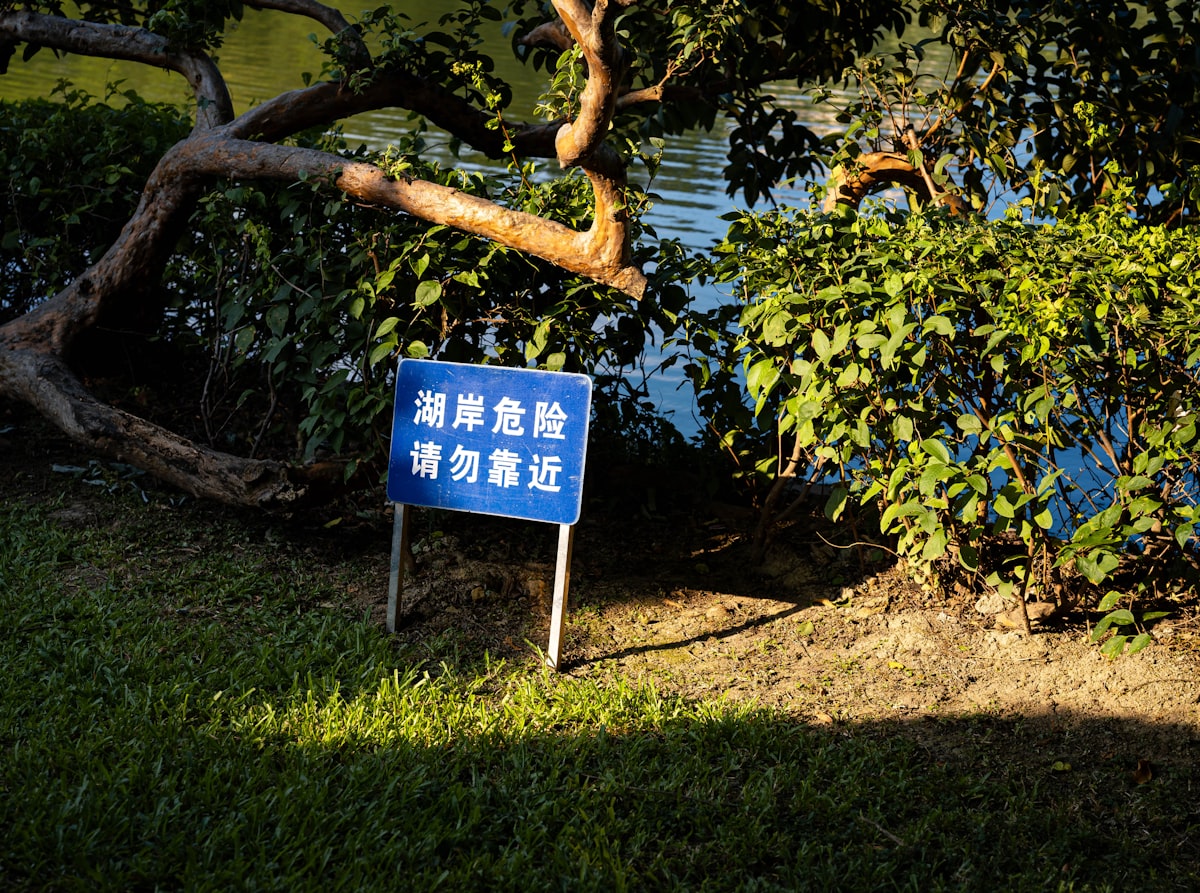
"When the weather gets good, the lake is closed. It's like having an amusement park and not opening it."
Karl Toner's quote captures the frustration of those whose recreation and livelihoods are directly curtailed by these environmental events. It highlights a fundamental disconnect. People want ideal conditions, but ecological concerns impose limitations. So the strategic question is how to bridge this gap, not just through immediate responses like signage and monitoring, but through long-term solutions that address the root causes of these recurring algal blooms.
Addressing Nutrient Pollution: A Long-Term Strategy
The interplay is complex. Nutrient pollution is the primary driver of these algal blooms, with phosphorus, a key nutrient that stimulates growth, accumulating in sediments and being replenished through agriculture, wastewater, unmaintained septic tanks, industrial discharge, and household detergents. This recognition suggests the mitigation strategy must move beyond reactive measures. Addressing nutrient pollution at its source, particularly through targeted actions in farming and water treatment sectors, is framed as the first necessary step. But there's no quick fix. Policies such as the Nutrient Action Programme are noted as playing a role, yet the emphasis remains on supporting difficult, long-term decisions.
The Forward View: Persistent Challenges Ahead
Hundreds of algal blooms now dot our water systems. It's a persistent challenge. But strong winds and heavy rain may have temporarily suppressed large-scale bloom formation in some instances, leaving the underlying conditions, including large phosphorus stores in sediments, unchanged. The strategic outlook is clear. Authorities and stakeholders must continue to implement and refine policies aimed at reducing nutrient runoff and improving water quality. Sustained effort and a commitment to scientific guidance are the path forward. We can't ignore what's at stake. These vital water bodies can once again support both economic prosperity and recreational engagement.
```Frequently Asked Questions
What economic impacts are algae closures having on businesses in Northern Ireland?
Algae closures are causing sharp downturns for businesses like Karl Toner's coffee cart, glamping site, and paddleboard hire at Camlough Lake, with visitor numbers plummeting since the most recent algae warnings. The article states that summertime, normally the busiest period, has been effectively destroyed, leading to substantial revenue losses that are hard to recover.
Why do algae blooms recur during warmer months in Northern Ireland's water systems?
The article identifies nutrient pollution, particularly phosphorus from sources like agriculture, wastewater, septic tanks, industrial discharge, and detergents, as the primary driver of these algal blooms. It notes that phosphorus accumulates in sediments and is replenished, causing blooms to recur when conditions are favorable.
How are recreational activities and community bonds affected by algae closures?
Recreational activities such as open-water swimming and paddleboarding are suspended, as seen with Joanne Callan's swimming group and the Turkington family at Craigavon Lakes. The article emphasizes that this shreds emotional and social bonds forged through shared experiences, impacting the social fabric of communities.
What long-term strategy does the article suggest for addressing algae closures?
The article suggests addressing nutrient pollution at its source, particularly through targeted actions in farming and water treatment sectors, as the first necessary step. It also mentions policies like the Nutrient Action Programme and emphasizes supporting difficult, long-term decisions to reduce nutrient runoff and improve water quality.
Who are some individuals or groups directly impacted by the algae closures mentioned in the article?
The article mentions Karl Toner, who operates a coffee cart, glamping site, and paddleboard hire at Camlough Lake, and Joanne Callan, a therapist and open-water swimmer whose group of over 100 people was affected. It also references the Turkington family, who can no longer paddleboard at Craigavon Lakes.

Astrid Berg covers space and astronomy, from missions and launches to the science of the universe. She follows the ongoing effort to explore beyond our planet.
💬 Comments (0)
No comments yet. Be the first!