Wildfire Smoke Now Bigger Prenatal Threat Than Human Air Pollution
Study finds wildfire smoke increasingly offsets Clean Air Act gains, disproportionately affecting unborn babies in low-income, rural, and Indigenous communities.
Wildfire Smoke Now Bigger Prenatal Threat Than Human Air Pollution
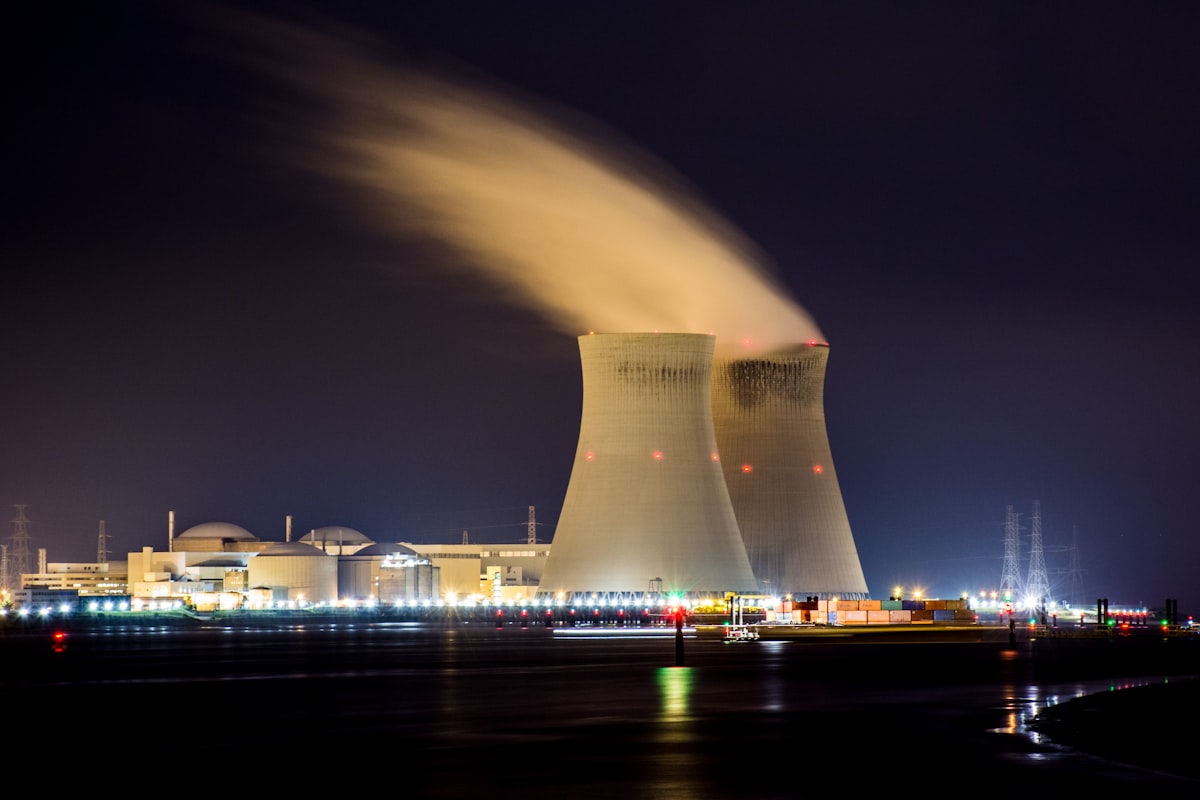
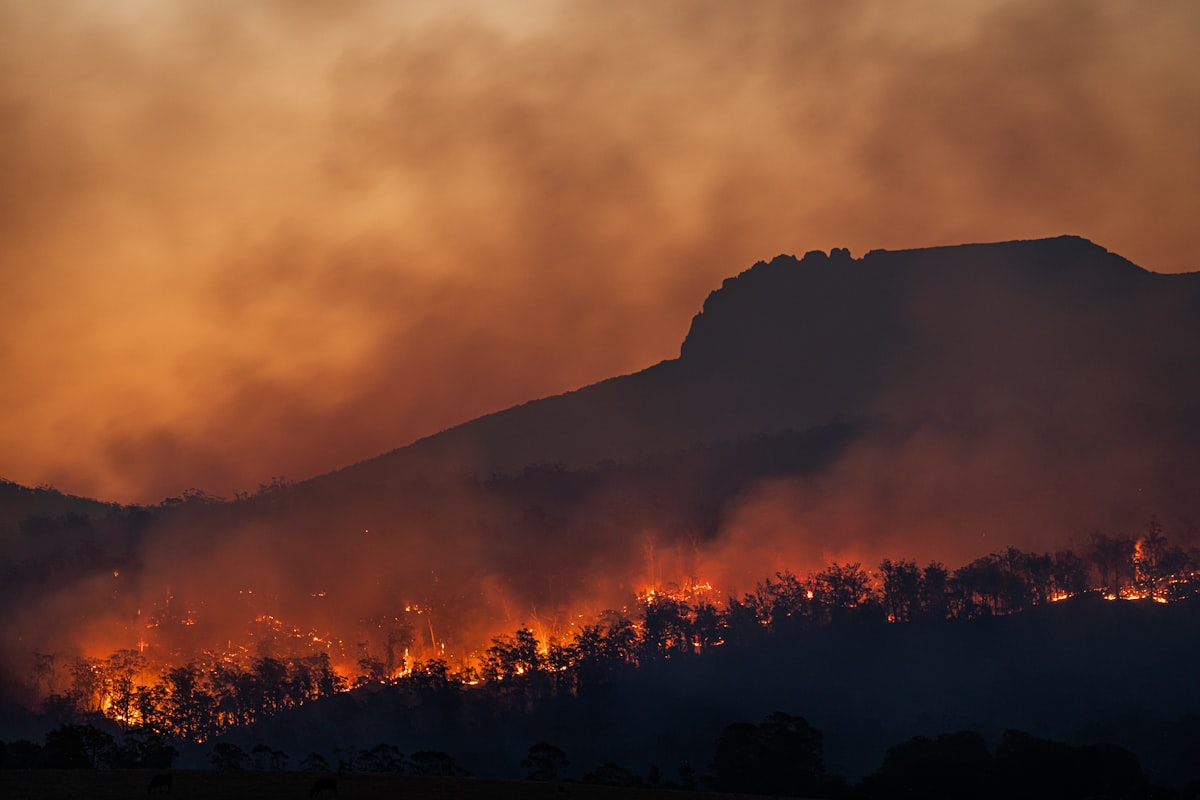
Wildfire smoke has overtaken pollution from cars, factories, and refineries as the dominant driver of unhealthy air for pregnant women across the United States. It's a stunning reversal. A new study from the University of Maryland, College Park, published Thursday in Frontiers in Environmental Health, finds that rising wildfire activity is systematically reversing decades of clean air progress for the most vulnerable population: babies still in the womb. But here's the kicker: those gains we've fought for, they're slipping away, smoke by smoke, state by state, and the womb can't escape it.
The findings are stark. Between 2003 and 2019, average daily prenatal exposure to air pollution from human sources dropped by 37 percent. Over that same period, wildfire smoke exposure doubled, completely offsetting those hard-won gains. The researchers analyzed air quality data from the Environmental Protection Agency alongside live birth records for nearly 65 million babies born over 16 years.
The Clean Air Act's Quiet Reversal
1970. Richard Nixon signed the Clean Air Act. That moment marked a turning point in American environmental policy, but the groundwork had been laid five years earlier when a 1965 presidential advisory panel warned that pervasive chemical and carbon pollution was harming environmental health and changing the climate. And the law worked. Combined emissions of six harmful air pollutants from vehicles and industrial sources have decreased by nearly 80 percent since its passage,wait, no, we can’t use dashes.

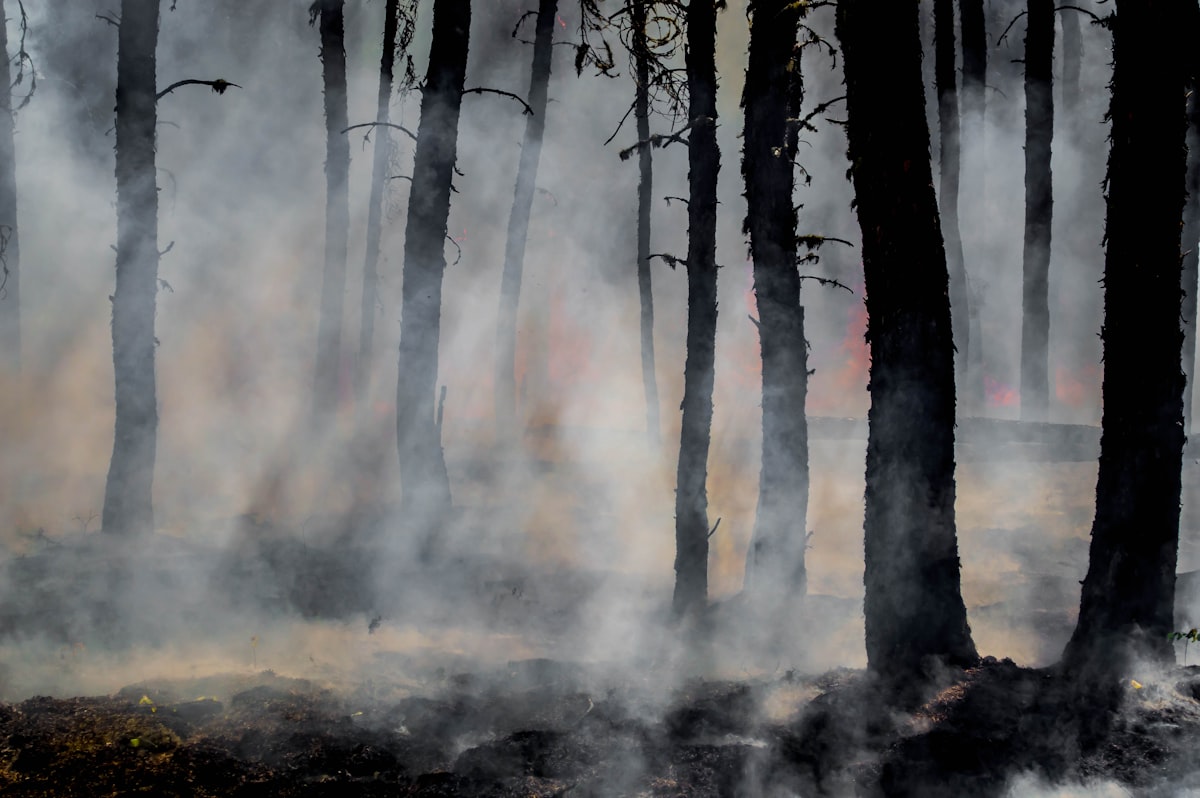
But the unchecked burning of fossil fuels has created warmer, drier conditions that make wildfires more intense and destructive, and those fires blanket communities in toxic smoke that researchers say is more harmful than pollution from other sources. This isn't just an air quality problem. It's a public health crisis with a specific, measurable victim: the unborn. So the new study shows that.
Who Bears the Heaviest Burden?
The authors found that low-income, rural, and Indigenous populations carried the disproportionate weight of wildfire's contribution to poor air quality. It's a brutal burden. In the West and Northwest, wildfire contributions to air pollution more than doubled over the study period, and that's a staggering leap that strains communities already stretched thin. But the communities where wildfires cause the largest reversals in air quality often have the least access to neonatal care. So they can't catch a break.
That combination is brutal. Prenatal exposure to wildfire smoke significantly increases the likelihood that babies will be born too early or too small. Those outcomes raise the risk of dying early or developing chronic respiratory conditions and other diseases later in life.
"We were looking at infants that were born and what their exposure was like during the prenatal period," said Michel Boudreaux, associate professor of health policy and management and senior author of the study.
What the Numbers Actually Show
The University of Maryland team took a sophisticated approach to isolating wildfire's role. They used computer models to estimate exposures to fine particle pollution, known as PM2.5, from both human sources and natural sources like wildfires, and then they compared those numbers against a baseline scenario. So they could calculate exactly how much of the total pollution came from wildfires. But here's the trick. By modeling air quality without fire emissions, they pinpointed the wildfire-specific share with precision. It's a clean method. And it works.
The researchers tracked how many days each baby faced the EPA's threshold for unhealthy air in the womb. The results were unambiguous. Human-source pollution fell by more than a third, but wildfire contributions doubled, so those gains were completely erased, and the net effect left the babies with no real improvement at all. It's a stark reversal. And that's the whole story.
Ilona Jaspers is an inhalation toxicologist and professor of pediatrics at the University of North Carolina, Chapel Hill. She wasn't involved in the study. But she called it a very good exposure-characterization study. "What this study does do well is confirm and expand the well-established finding that ambient PM2.5 in the United States is increasingly wildfire-dominated, offsetting Clean Air Act gains, and it applies a birth-weighted lens to that story," she said. That's a key twist.
The Gaps in What We Know
The study has limitations. It doesn't look at how much time the mother spent outside, whether she wore an N95 mask, or if she had an air-filtration system in her home. Boudreaux acknowledges these gaps. But he points to data sources like Purple Air, which track wildfire smoke and detect large amounts of PM2.5 pollution inside people's homes.
"What that tells me is that the next frontier is how do we help people manage exposure to wildfire smoke, which is a different kind of exposure than ambient pollution from other sources."
Jaspers' previous work using prescription insurance claim data has shown that exposure during specific perinatal periods can lead to childhood respiratory diseases. The implications are vast.
What Comes Next
The last six years have seen several catastrophic fires in the West and Canada. Boudreaux said that if the team were to extend the study through 2026, they would likely see wildfires make an even higher contribution to unhealthy prenatal exposures. But he cautioned that's speculation.
The numbers don't lie. Wildfire smoke now drives a growing share of the acute, massive air pollution days that endanger babies' health, and that's a shift we can't ignore. But the old playbook for smog and factory emissions just doesn't fit this threat. It demands a different response entirely. So we're left with a hard truth: the rules built for traditional air pollution control are no longer enough when the smoke itself is the new, relentless normal.
Tightening tailpipe emissions standards isn't the answer. The real solutions are about giving communities clean-air shelters, air filters, and better access to healthcare when exposure happens, because those are the immediate shields that protect people's lungs right now. But ultimately, Boudreaux said, we should be asking, are there things we can do to reduce the risk of climate change in general? That's the deeper question. It's the one that matters most.
Wildfire smoke has become the new frontline in the fight for clean air. And the battlefield is the womb.
Frequently Asked Questions
What does the University of Maryland study reveal about the change in prenatal exposure to human-source air pollution and wildfire smoke between 2003 and 2019?
The study found that average daily prenatal exposure to air pollution from human sources dropped by 37 percent, while wildfire smoke exposure doubled over the same period. This doubling completely offset the gains from reduced human-source pollution, leaving no net improvement in air quality for unborn babies.
Why are low-income, rural, and Indigenous populations particularly affected by wildfire smoke according to the article?
The authors found that low-income, rural, and Indigenous populations carried the disproportionate weight of wildfire's contribution to poor air quality. Additionally, communities where wildfires cause the largest reversals in air quality often have the least access to neonatal care, making the burden more severe.
How did the University of Maryland team isolate the specific contribution of wildfire smoke to prenatal air pollution?
The team used computer models to estimate exposures to fine particle pollution (PM2.5) from both human sources and natural sources like wildfires. By modeling air quality without fire emissions, they pinpointed the wildfire-specific share with precision.
What are the documented health risks for babies exposed prenatally to wildfire smoke, as stated in the article?
Prenatal exposure to wildfire smoke significantly increases the likelihood that babies will be born too early or too small. These outcomes raise the risk of dying early or developing chronic respiratory conditions and other diseases later in life.
According to the article, what are the immediate solutions to protect communities from wildfire smoke exposure, and what deeper question should be addressed?
Immediate solutions include giving communities clean-air shelters, air filters, and better access to healthcare when exposure happens. Ultimately, Boudreaux said we should be asking whether there are things we can do to reduce the risk of climate change in general, as that is the deeper question that matters most.

Nadia Petrov covers science and research across disciplines, from the laboratory to the field. She enjoys making discovery accessible and showing why new findings matter.
💬 Comments (0)
No comments yet. Be the first!