Why Gut Microbiome Testing Lacks Standardization
A study from the National Institute of Standards and Technology finds that current gut microbiome testing kits offer limited diagnostic utility.
Gut microbiome testing faces quality hurdles
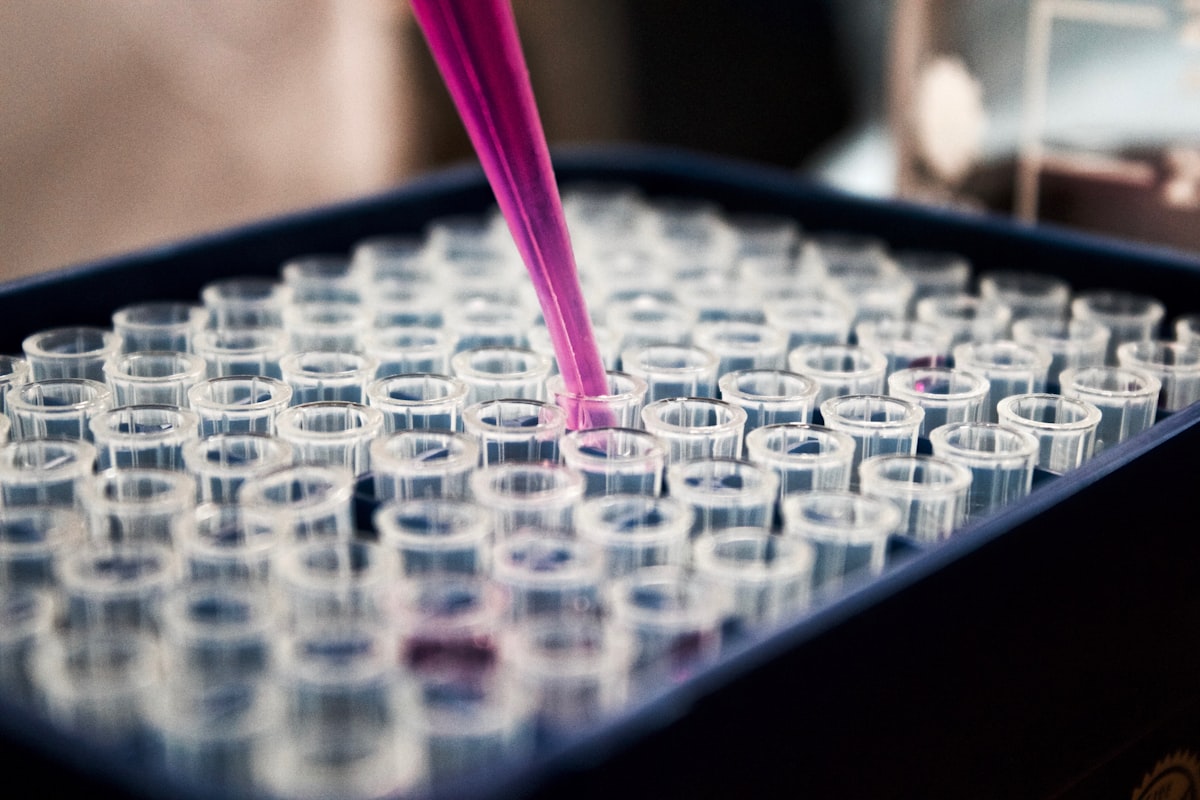
Gut microbiome testing has moved from experimental biology's fringes into the consumer health space. But the underlying science remains fragmented. It's a mess. For individuals seeking to manage their health through biological data, the current market offers little in the way of reliable, consistent guidance, even as many private companies now sell at-home kits. A recent technical assessment reveals that these products' diagnostic capabilities are still underdeveloped. So the primary issue is a lack of standardization, and that leads to widely divergent results between providers while complicating the ability of any single test to provide actionable insights for a user.
The challenge of biological individuality
The gut microbiome is highly individualized and shifts throughout a lifespan. But it's not static. This environment stays stable for most of adulthood, though it often goes through major changes as a person enters later life, a transition toward dysbiosis linked to a decline in beneficial species that produce anti-inflammatory molecules. These friendly bacteria are frequently replaced by more aggressive microbial groups.
The limits of current diagnostics
Stephanie Servetas led a team at the US National Institute of Standards and Technology. They examined seven different kits to determine their utility. The findings suggest the diagnostic outputs are not yet sufficiently standardized to serve as a reliable medical tool, so the data these tests produce often fails to align because they lack a consistent baseline. But for the consumer, this creates a situation where different tests may point in opposite directions regarding the state of their microbial health. It's a serious problem. The team concluded that until testing protocols reach a higher level of maturity, the diagnostic capabilities of these kits remain largely underdeveloped and of limited use.
Strategic paths for gut health
Diagnostic tools struggle to provide clarity. But researchers keep examining how diet and supplements shape the microbiome, and the current consensus points to specific interventions that might help maintain a youthful microbial profile. Diet remains the most important environmental factor. Clinical evidence supports several key strategies for those looking to influence their microbial composition.
- Adopting a Mediterranean-style diet high in vegetables, legumes, and olive oil to boost beneficial bacteria.
- Consuming probiotics, specifically Bifidobacteria and Lactobacilli, to assist with muscle preservation.
- Monitoring the intake of fermented foods, such as natural, unsweetened yoghurt, which may help replenish key bacterial genera.
The role of inflammatory pathways
But the real problem goes beyond simple bacterial counts. It's about how these organisms interact with the immune system. Aging immune cells in the lining of the large intestine eventually lose their capacity to cultivate friendly microbes, so pathological species can enter the bloodstream and start a cycle of widespread low-level inflammation that further degrades gut health. This process is called inflammaging. Some supplements show potential for addressing specific age-related conditions, but the evidence for prebiotics and postbiotics simply isn't strong enough to claim they can effectively arrest this inflammatory cycle.
According to Andrea Ticinesi at the Microbiome Research Hub at the University of Parma, diet acts as the main environmental factor shaping gut microbiome composition.
Looking toward future microbial research
The path forward demands a shift. We need to move beyond broad, inconsistent screening toward a deeper understanding of what microbes actually do, and future work will likely focus on distinguishing the noise of temporary microbial fluctuations from the markers of true biological aging. Researchers are now analyzing the microbiomes of long-lived individuals. Their goal is to identify longevity traits and define what a healthy, aged gut really looks like. But until that standard is firmly established, the industry will continue to navigate the gap between consumer interest and clinical utility. So the next phase of development requires rigorous validation. We must determine what these tests can truly reveal about the complex aging process. It's a challenging task.
Frequently Asked Questions
What is the primary problem with gut microbiome testing according to the article?
The primary problem is a lack of standardization, which leads to widely divergent results between providers and complicates the ability of any single test to provide actionable insights for a user.
Why do gut microbiome test results often fail to align with each other?
The diagnostic outputs are not yet sufficiently standardized to serve as a reliable medical tool, so the data these tests produce often fails to align because they lack a consistent baseline.
How does the gut microbiome change as a person enters later life?
The gut microbiome often goes through major changes, transitioning toward dysbiosis linked to a decline in beneficial species that produce anti-inflammatory molecules, which are frequently replaced by more aggressive microbial groups.
What dietary strategies are supported by clinical evidence for maintaining gut health?
Clinical evidence supports adopting a Mediterranean-style diet high in vegetables, legumes, and olive oil, consuming probiotics like Bifidobacteria and Lactobacilli, and monitoring intake of fermented foods such as natural, unsweetened yoghurt.
Who led the team that examined seven different gut microbiome testing kits?
Stephanie Servetas led a team at the US National Institute of Standards and Technology that examined seven different kits to determine their utility.

Eva Koch writes about scientific research and the people behind it, covering the studies and breakthroughs shaping our understanding of the world. She values curiosity and careful evidence in equal measure.
💬 Comments (0)
No comments yet. Be the first!