Where, When and How to Watch the 2026 Solar Eclipse
Learn where the 2026 solar eclipse will be visible, the path of totality, and how to safely view this rare astronomical event.
2026 solar eclipse tracking
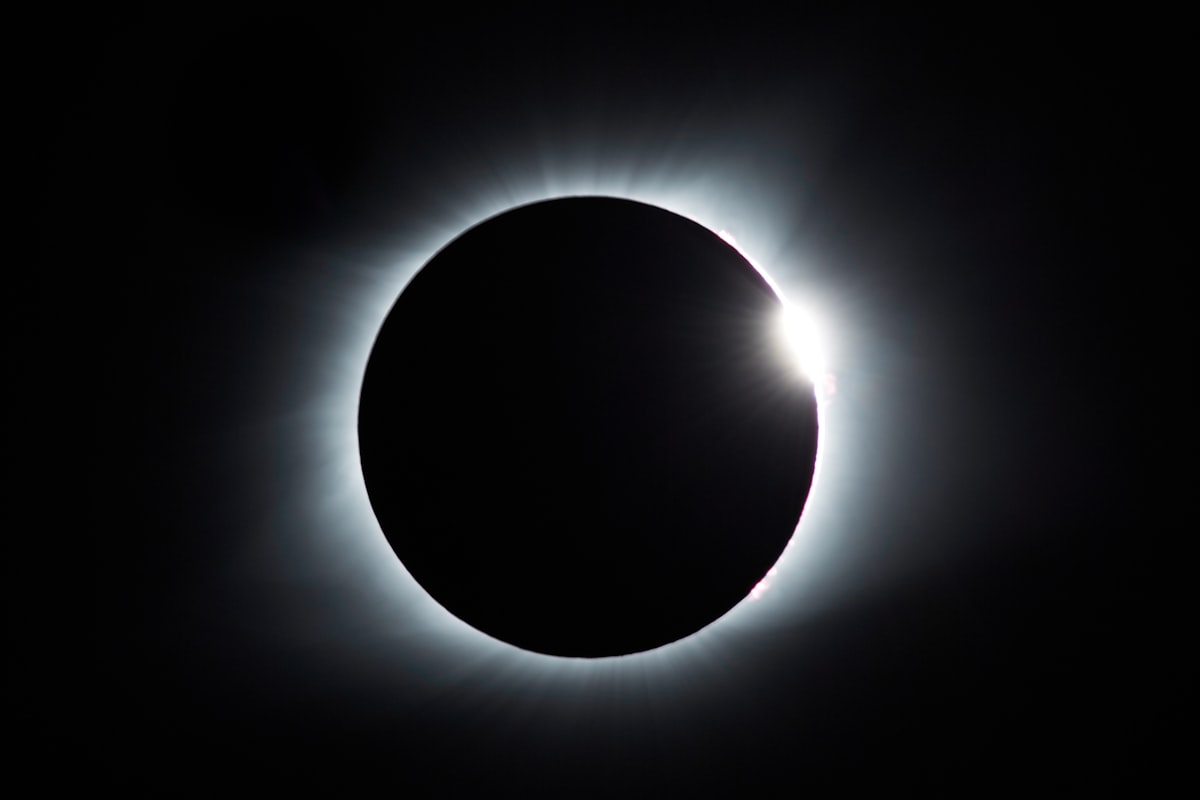
A shadow cuts across Europe and the Atlantic on 12 August 2026. But it's a dramatic spectacle for a select few as the 2026 solar eclipse occurs when the moon moves between Earth and the sun, effectively obscuring sunlight for observers along the track of totality. Large regions including the United Kingdom, Canada, and parts of the United States and Africa will experience a partial eclipse.
Tracking the path of totality
Coverage starts in Russia around midday. But from there, the moon's shadow travels eastward across the Arctic Ocean, moving just south of the North Pole before it makes landfall in northeastern Greenland shortly after 4.00pm local time. It's a swift journey. As the shadow races along the eastern coast of Greenland, it moves at a speed exceeding 3400 kilometres per hour , and we can't ignore how fast that really is.
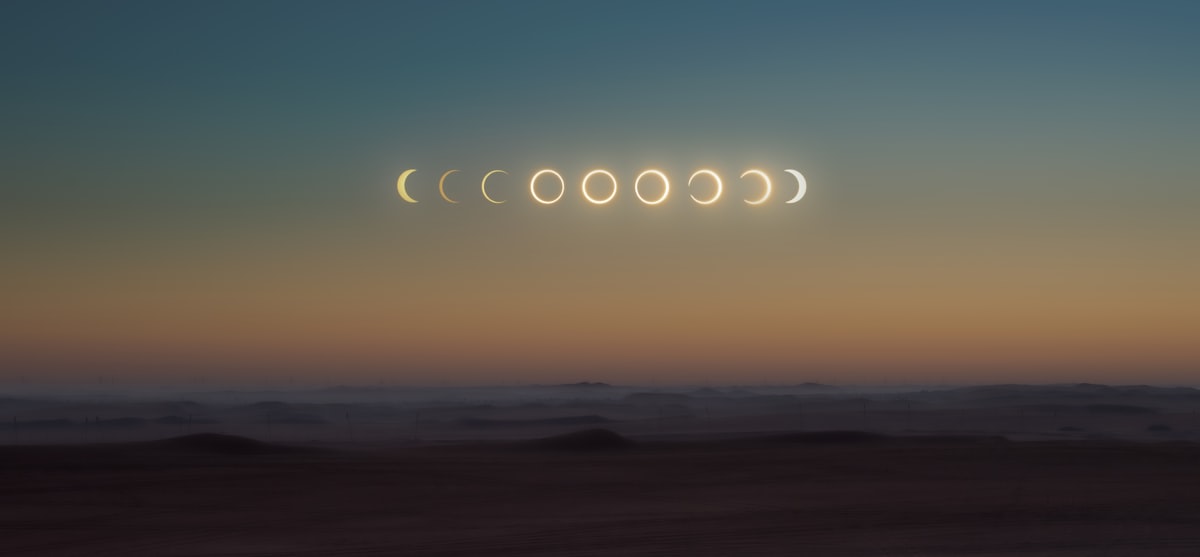
The event offers a fleeting window for observation. But it's the maximum duration of totality, lasting about 2 minutes and 18 seconds, that really matters as the shadow transitions from Greenland into the Atlantic and then eventually reaches Iceland, which brings the event to more inhabited areas. That's important. Previous locations along the path are mostly small villages and research stations.
Viewing in Iceland and Spain
Residents in Reykjavik will see totality for just over one minute at 5.48pm local time. It's a rare sight. This marks the first total eclipse visible from Iceland since 1954, and it's the last one expected until 2196. So the shadow crosses the Atlantic again to reach northern Spain just before 8.30pm local time, grazing the northeastern corner of Portugal and passing over the Balearic Islands before the sun sets. Then it ends.
Understanding the corona
During the brief moments of totality, the environment changes rapidly. Temperatures drop by several degrees. The sky shifts from daylight to a twilight state, and stars become visible. But the sun's outer layer, known as the corona, emerges from the glare of the inner regions, and it's a primary focus for scientists aiming to understand why the corona reaches such high temperatures. These shimmering sheets of hot plasma are typically lost to the naked eye.
Safety and partial viewing
Beyond the narrow track of totality, a partial eclipse will be visible across approximately one quarter of the planet. It's a widespread event. In regions such as the northern United States, Canada, Europe, and northwestern Africa, the moon will appear to take a bite out of the sun for more than an hour. But this partial view doesn't turn day into twilight, and it can't reveal the corona. That's a key difference.
Essential viewing requirements
- Always use eclipse glasses or solar filters when looking at the sun during a partial eclipse.
- Never look directly at the sun without protection outside of the brief period of totality.
- Use pinhole cameras or natural shadows to project the shape of the sun if specialized equipment is unavailable.
- During totality, it is safe to view the corona with the naked eye.
So safety can't be forgotten. But they can't forget the basics, whether observing from a path of totality or witnessing the partial phase, because safety remains the priority for all spectators and it's vital to prepare accordingly.
Frequently Asked Questions
What is the maximum duration of totality for the 2026 solar eclipse?
The maximum duration of totality for the 2026 solar eclipse lasts about 2 minutes and 18 seconds. This occurs as the shadow transitions from Greenland into the Atlantic.
Why is the corona a primary focus for scientists during the eclipse?
The corona emerges from the glare of the inner sun during totality, and scientists aim to understand why it reaches such high temperatures. These shimmering sheets of hot plasma are typically lost to the naked eye.
How can viewers safely observe the partial phase of the eclipse?
Viewers must use eclipse glasses or solar filters when looking at the sun during a partial eclipse. Alternatively, pinhole cameras or natural shadows can project the sun's shape if specialized equipment is unavailable.
When and where will the 2026 solar eclipse be visible as a total eclipse?
The total eclipse will be visible in northeastern Greenland after 4:00 pm local time, then in Iceland at 5:48 pm local time, and finally in northern Spain just before 8:30 pm local time. The event occurs on 12 August 2026.
Who will experience a partial eclipse during the 2026 solar eclipse?
Large regions including the United Kingdom, Canada, parts of the United States and Africa will experience a partial eclipse. This partial view is visible across approximately one quarter of the planet.

Eva Koch writes about scientific research and the people behind it, covering the studies and breakthroughs shaping our understanding of the world. She values curiosity and careful evidence in equal measure.
💬 Comments (0)
No comments yet. Be the first!