US Military Space Exercise: What Victus Haze Means
A recent US military exercise in low-Earth orbit, dubbed Victus Haze, aimed to test rapid response capabilities. Rocket Lab launched a satellite to inspect another.

Victus Haze: The Secret Space Mission You Missed
Victus Haze just wrapped up. You probably didn't even notice. This US military space exercise is a quiet, high-stakes test of America's ability to react instantly in the vast expanse of low-Earth orbit, and it's not your typical flashy military drill. But think of it as a rapid-response team for space, where instead of an ambulance it's a satellite.
What Exactly is Victus Haze?
At its core, Victus Haze is designed to prove the US Space Force can launch and deploy assets incredibly fast when a space-related crisis hits. The goal? To shave the time it takes to get new satellites into orbit from years down to days, or even hours. This mission pushed that concept to its limits, involving commercial partners to get the job done.
Here's the deal. Rocket Lab had a satellite on standby, ready to launch at a moment's notice to get up close and inspect it. So the plan was to launch a satellite built by True Anomaly, designed to act like a potential adversary's spacecraft. This entire operation is about checking out threats in orbit, quickly and decisively. It's a fast game.
And it seems like that’s exactly what happened. Rocket Lab quietly launched its satellite, Victus Haze Puma, from New Zealand. The launch wasn't advertised, with the only public sign being a heads-up for pilots and sailors to avoid the flight path. No livestream, no fanfare. Just a job to do.
The Mechanics of the Mission
A Stealthy Launch
Victus Haze Puma appeared. Rocket Lab's satellite has officially entered the US military's space object catalog, which confirms its presence in the official record of tracked objects that astronomers and analysts rely on. It's in a polar orbit, circling Earth between about 215 and 286 miles up.
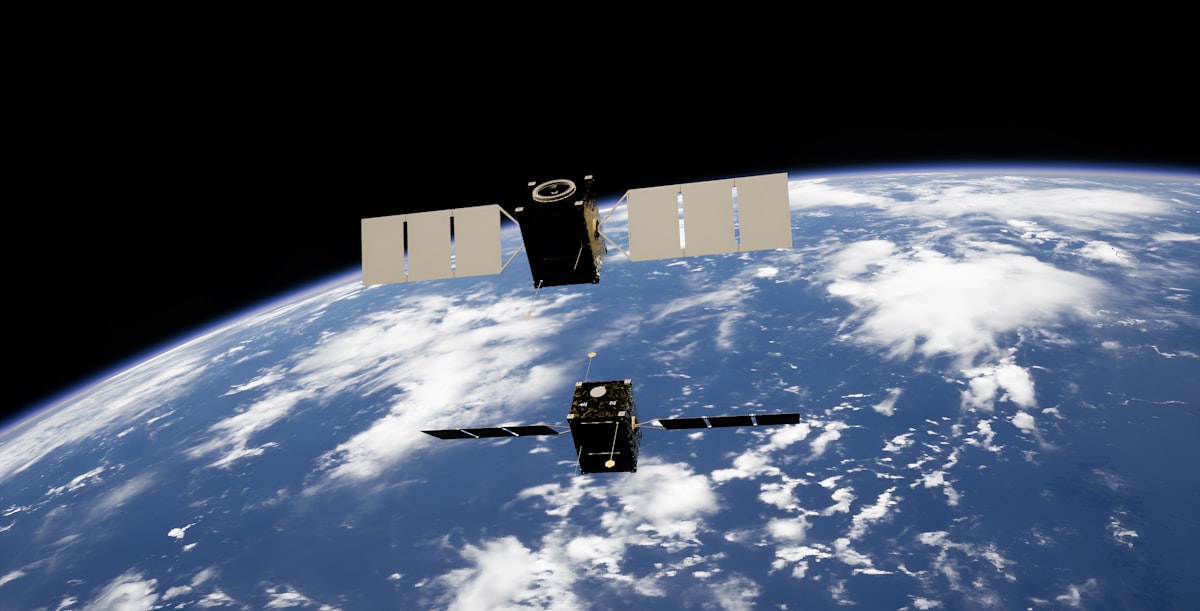
Victus Haze Puma launched from Rocket Lab's private spaceport in New Zealand. But it's more than just a single satellite , it's part of a larger Space Force effort to develop responsive space capabilities, ensuring the US can maintain its advantage through agility in space.
But the timing of the launch was critical. It coincided with the orbital pass of a True Anomaly satellite, the Jackal-0004, which had launched from California earlier in May, and the idea is to have these commercial satellites play specific roles in demonstrating responsive space operations.
Commercial Partners, Military Objectives
True Anomaly, a Colorado-based company, specializes in building highly maneuverable satellites for national security. But they're not just any satellites. It can get very near other objects in space without causing issues, and their Jackal satellite is designed for close-proximity operations that allow it to perform these delicate maneuvers with precision.
According to astrophysicist Jonathan McDowell, who tracks space activity, Rocket Lab's Victus Haze Puma satellite got within about 60 miles of the Jackal satellite just hours after its own launch. This close approach is a key part of the exercise.
The plan is for these satellites to eventually switch roles, allowing the Jackal to act as the inspector while the Puma becomes the target. So it's a back-and-forth inspection. This demonstrates a flexible and responsive capability for the military, and they're proving they can adapt quickly.
It isn't the first time the Space Force has done something like this. The Victus Nox mission in 2023 was a success, where a small satellite was built and tested in less than a year. Launch came fast. And Firefly Aerospace sent that satellite into orbit within 27 hours of receiving the order.
Victus Haze is more complex. It involves more satellites and even multiple launch sites, all while True Anomaly's satellite was initially slated for a different rocket but ended up launching on a SpaceX Falcon 9 due to previous launch issues. And this shows the adaptability required in these rapid-response exercises.
The Real Takeaway: Why Should You Care?
So, what does this all mean for you? It means your security, even in space, is being constantly upgraded. The US military is investing in the ability to quickly address threats in orbit, whether they come from other nations or unexpected space debris.
This exercise isn't just about launching rockets. But it's about ensuring that if a satellite critical to communication, navigation, or intelligence is threatened, the US has the tools and the speed to respond. So it's a proactive measure. One that maintains stability and security in a domain that's becoming increasingly vital.
The operation happened with almost no public notice. That fact highlights a major shift in how military space operations are now conducted, where the focus is on readiness, speed, and the ability to stay discreet when it's needed. So this kind of rapid, responsive space capability is key to future national security.
The total cost for this demonstration? About $92 million. It's a mix of government and private funding. But this investment is aimed at ensuring that US forces can conduct rapid operations if adversaries become aggressive in orbit, so it's all about readiness for what comes next in the final frontier.
Frequently Asked Questions
What is Victus Haze?
Victus Haze is a US military space exercise designed to prove the US Space Force can launch and deploy assets incredibly fast during a space-related crisis. The goal is to reduce the time to get new satellites into orbit from years down to days or even hours.
Why was the Victus Haze launch conducted discreetly?
The launch was not advertised, with no livestream or fanfare, and the only public sign was a heads-up for pilots and sailors to avoid the flight path. This discreet approach highlights a shift in military space operations focusing on readiness, speed, and the ability to stay secret when needed.
How did the Victus Haze mission demonstrate rapid response?
Rocket Lab launched its satellite, Victus Haze Puma, on standby at a moment's notice, and it got within about 60 miles of the True Anomaly Jackal satellite just hours after launch. The exercise involves satellites switching roles to show flexible and responsive capabilities for the military.
When did the Victus Haze launch occur relative to the Jackal satellite's launch?
The Victus Haze Puma launch from New Zealand coincided with the orbital pass of the True Anomaly Jackal-0004 satellite, which had launched from California earlier in May. This timing was critical for the close-proximity operations in the exercise.
Which commercial partners were involved in Victus Haze?
Rocket Lab launched the Victus Haze Puma satellite on standby, while True Anomaly built the Jackal-0004 satellite designed for close-proximity operations. The exercise also involved Firefly Aerospace, which previously launched a satellite for the similar Victus Nox mission.

Eva Koch writes about scientific research and the people behind it, covering the studies and breakthroughs shaping our understanding of the world. She values curiosity and careful evidence in equal measure.
💬 Comments (0)
No comments yet. Be the first!