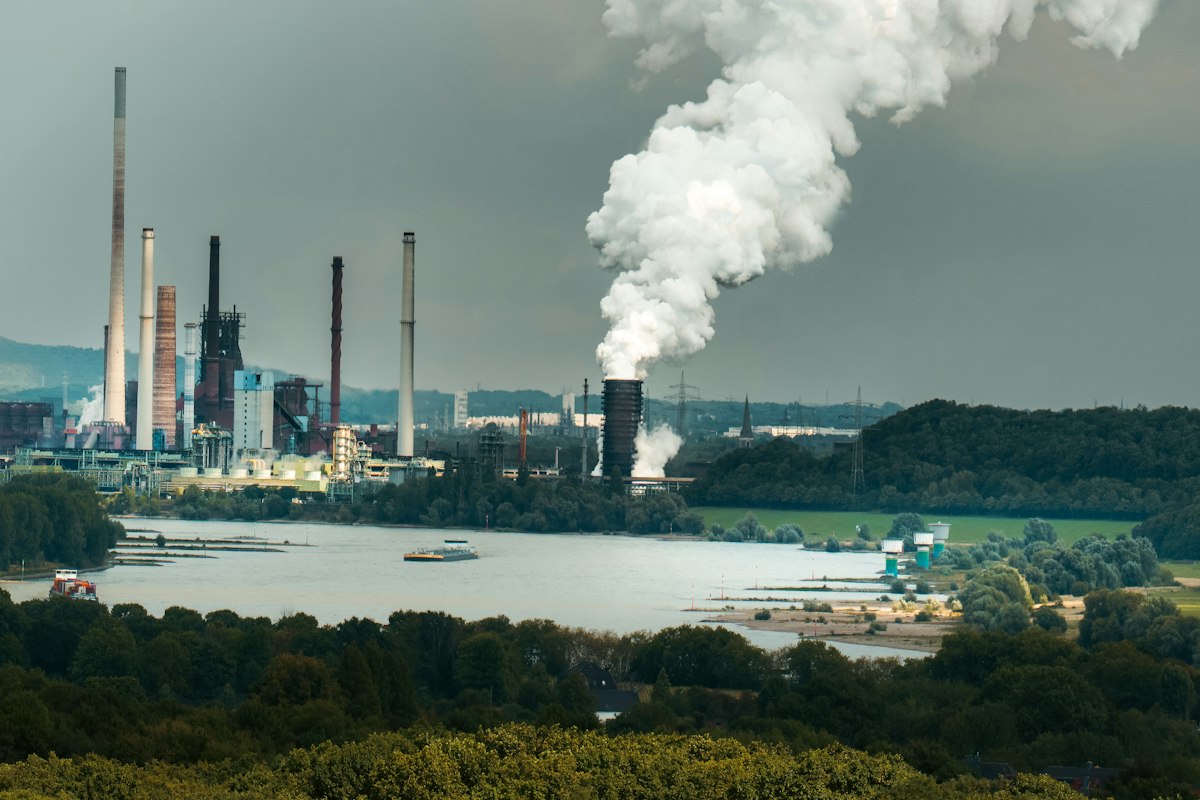
Why Uncontacted Peoples Policy Demands Restraint
Experts highlight that uncontacted peoples maintain isolation as a deliberate, protective strategy for survival.
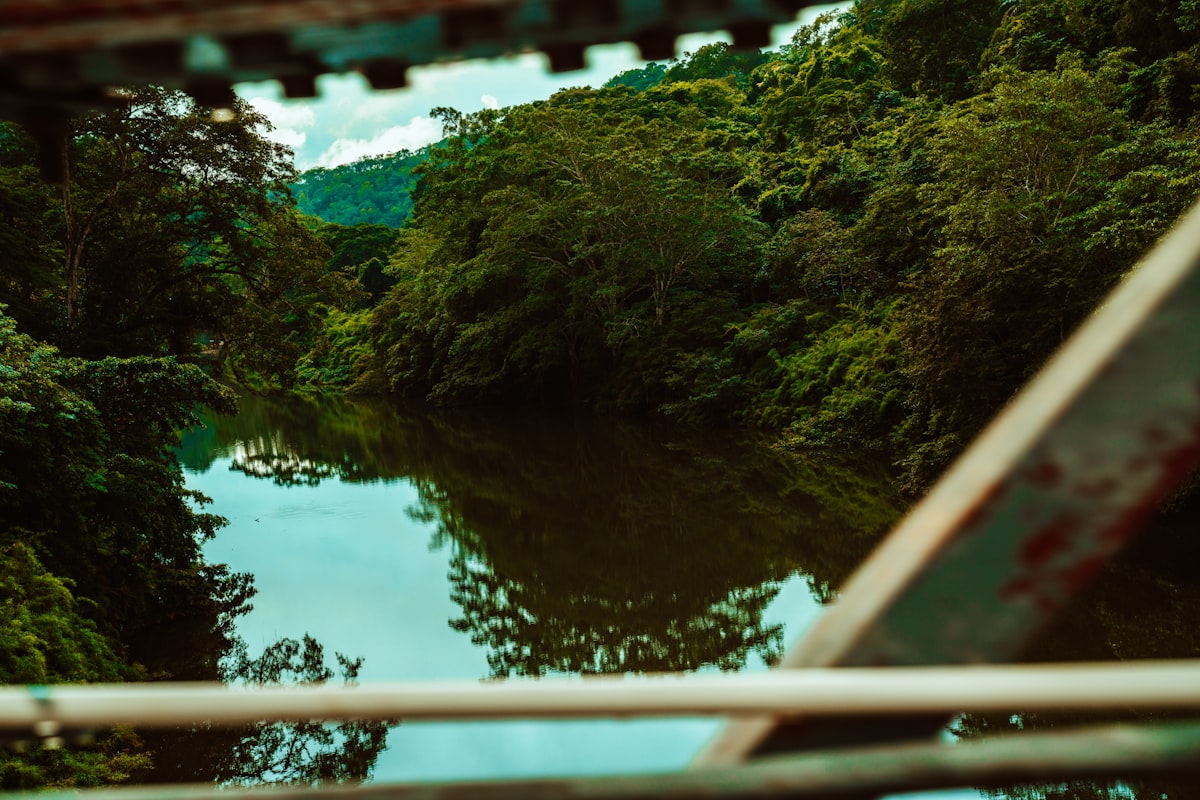
Uncontacted peoples represent a profound strategic challenge for modern policy. They demand extreme restraint from outsiders. Across at least 10 countries in South America, Asia, and the Pacific, approximately 196 distinct groups continue to live in voluntary isolation, and these populations, ranging from the Sentinelese in the Bay of Bengal to the Kakataibo in Peru, maintain an existence that is intentionally detached from the globalized economy and state governance. But this isn't a primitive state. It's a calculated survival mechanism, and for those in industry and government, the move away from contact can't be read as anything less than a deliberate, adaptive choice made over generations. That's the real lesson.
Defining the boundaries of engagement
These groups aren't a fixed administrative category. Experts note the spectrum of interaction ranges from sporadic encounters to complete rejection of the outside world, and Survival International defines these populations as groups that avoid contact and lack permanent relationships with outsiders, even when they possess awareness of the surrounding world. That awareness is critical to their agency. They're not living in a vacuum, nor are they frozen in time. But they are active participants in a deliberate strategy of withdrawal.
Strategic resistance as a policy variable
From a strategic standpoint, the rejection of contact by these groups is often a rational response to historical trauma. They remember. In the case of the Sentinelese, vulnerability to diseases brought by outsiders and historical experiences of other groups suggest a rational basis for their long-term defensive posture, so their isolation isn't ignorance but a calculated guard against annihilation. When these groups deploy force, such as using arrows against approaching boats or helicopters, they are not acting out of blindness. They're drawing a line. But professional observers recognize this behavior as a refusal to be disturbed, a consistent policy of sovereignty that complicates industrial encroachment, and that policy has held for decades.
Risks of forced modernization
The push for contact often ignores the biological and social risks inherent in these encounters. Modernization isn't a universal aspiration for these communities, and assuming otherwise reveals a profound misunderstanding of their values, histories, and the complex ways they've already chosen to engage with the outside world on their own terms. It's a dangerous assumption. But the primary risks of contact include:
- Exposure to outside diseases that can cause catastrophic population decline.
- The erosion of unique ways of life that have persisted for thousands of years.
- Escalation of conflict resulting from the encroachment of oil, logging, and mining interests.
- The loss of self-determination when external authorities attempt to census or classify these populations.
The economic tension of isolation
The wider sector tells a stark story. These groups' presence constantly clashes with resource extraction. Indigenous communities in the Amazon Basin, such as the Kawahiva or the Mashco Piro, occupy lands that are increasingly subject to pressures from agricultural, mining, and logging industries, and those industries often view isolation as an obstacle to site development. But the Kakataibo erase their own footprints to avoid detection. That success reveals a highly effective form of counter-surveillance, and it's a tactic that turns environmental mastery into a direct threat. So any entity attempting to operate in their vicinity faces a major reputational and operational risk. That risk can't be easily dismissed or managed.
Shifting the narrative on autonomy
The old myth is fading. That tired story about isolated tribes as a lost segment of humanity, waiting to be discovered, is giving way to a far more nuanced understanding of indigenous rights and their own agency. It's a profound choice, this isolation. As Simron Singh from the University of Waterloo observed, the decision to remain apart isn't about some inability to reach the outside world, but a flat refusal to take part in it. So when they shoot bows and arrows, they are communicating, Singh stated, and the message is simple. They don't want to be disturbed. That stance, in turn, suggests the most effective policy for government and industry is a hands-off approach, one that respects the inherent right to self-determination and lets these communities chart their own course. But it's not neglect. It's respect.
Future considerations for policy makers
The focus moving forward must shift from active documentation to passive protection. It's a hard truth. Because uncontacted peoples are frequently harmed by the mere presence of external observers, the legal trend is moving toward strict exclusionary zones, and that's a necessary evolution. Indian law already prohibits travel within a 3-mile radius of North Sentinel Island, a measure protecting both the islanders and potential visitors. Policy makers will face a brutal choice. As more groups are documented, they'll have to choose between the short-term gains of resource access and the long-term ethical imperative of non-interference. So maintaining this restraint is the defining challenge. For those navigating the intersection of corporate expansion and human rights, it's the challenge that will truly test their principles.
Frequently Asked Questions
What is the primary reason uncontacted peoples, such as the Sentinelese, maintain their isolation?
Their isolation is a calculated survival mechanism, often a rational response to historical trauma. The article notes that vulnerability to diseases brought by outsiders and historical experiences suggest a rational basis for their defensive posture, serving as a guard against annihilation.
How do uncontacted peoples like the Kakataibo avoid detection by outsiders?
The Kakataibo erase their own footprints to avoid detection, which the article describes as a highly effective form of counter-surveillance. This tactic turns environmental mastery into a direct threat to entities attempting to operate nearby.
Why does the article argue that the push for forced modernization is dangerous for uncontacted peoples?
Forced modernization ignores the biological and social risks, such as exposure to outside diseases causing catastrophic population decline and the erosion of unique ways of life. It also assumes modernization is a universal aspiration, which misrepresents their values and histories.
What does the article suggest is the most effective policy for governments and industries regarding uncontacted peoples?
The most effective policy is a hands-off approach that respects their inherent right to self-determination. This is not neglect but respect, and it involves shifting from active documentation to passive protection, including strict exclusionary zones.
Who is quoted in the article regarding the communication of uncontacted peoples, and what does he say?
Simron Singh from the University of Waterloo is quoted, stating that the decision to remain apart is a flat refusal to take part in the outside world. He says that when they shoot bows and arrows, they are communicating a simple message: they don't want to be disturbed.

Eva Koch writes about scientific research and the people behind it, covering the studies and breakthroughs shaping our understanding of the world. She values curiosity and careful evidence in equal measure.
💬 Comments (0)
No comments yet. Be the first!