The Story of pink-zebra weed
Discover the story of pink-zebra weed, a rare UK marine species identified after forty years with help from a wine fridge.
Pink-zebra weed is the nickname of a tiny marine mystery. It took forty years to solve. Imagine finding a speck of something new in the ocean, only to spend your entire career chasing another piece of it,no, that's not quite right, because you can't use a dash, so let's say: only to spend your entire career chasing another piece of it, and that's exactly what happened to marine scientist Christine Maggs, who, forty years ago, while studying underwater habitats for her PhD, spotted a fragment of a pink-striped seaweed she could not identify. But that discovery would turn into a lifelong obsession. It's a stubborn puzzle.
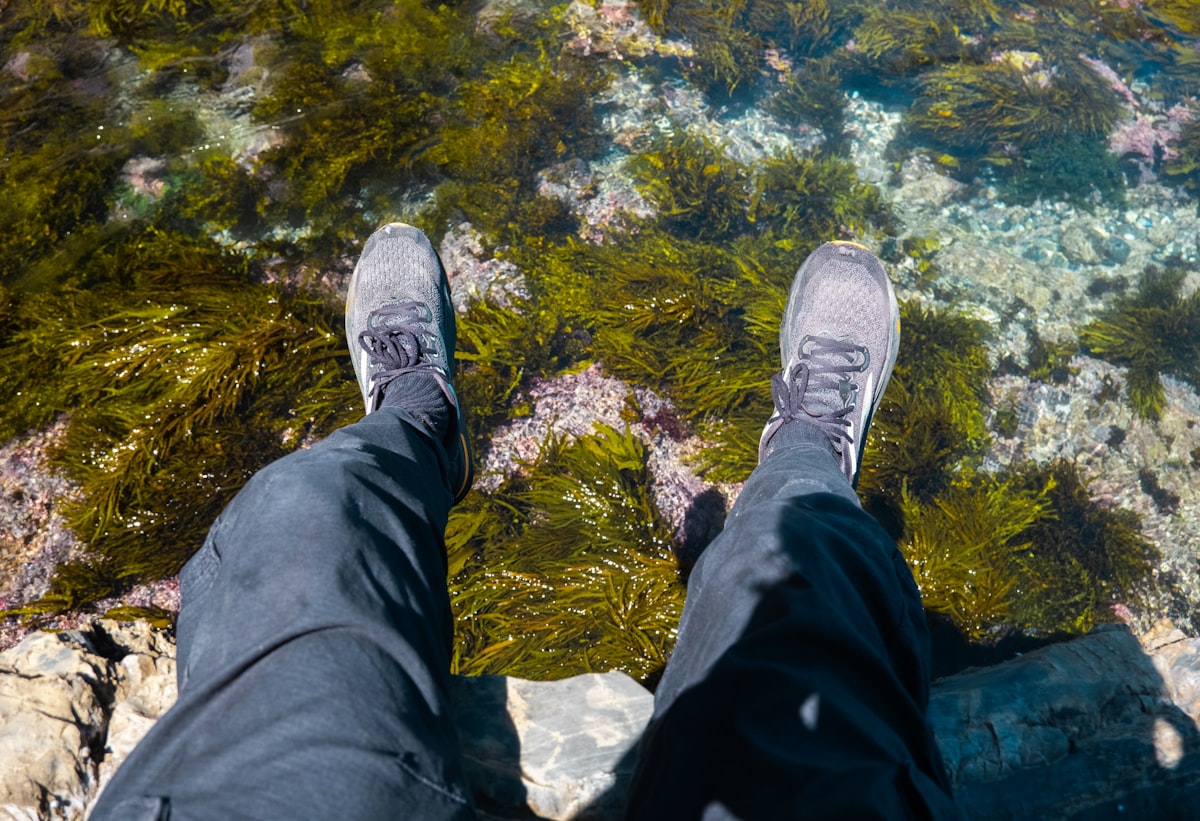
This elusive organism lives on maerl beds, carpets of coral-like seaweed found on the seabed. They look like coral, sure. But they're actually thousands of pieces of free-living calcified seaweed that lock together to form some of the richest, most biodiverse habitats in the ocean. For decades, Maggs searched for enough of the pink-striped seaweed to officially identify it, yet she only ever caught fleeting glimpses, once even on a sea squirt. She couldn't get a larger sample. She needed one to extract the molecular data required for DNA sequencing. So that hunt defined her work.
The breakthrough in Cornish waters
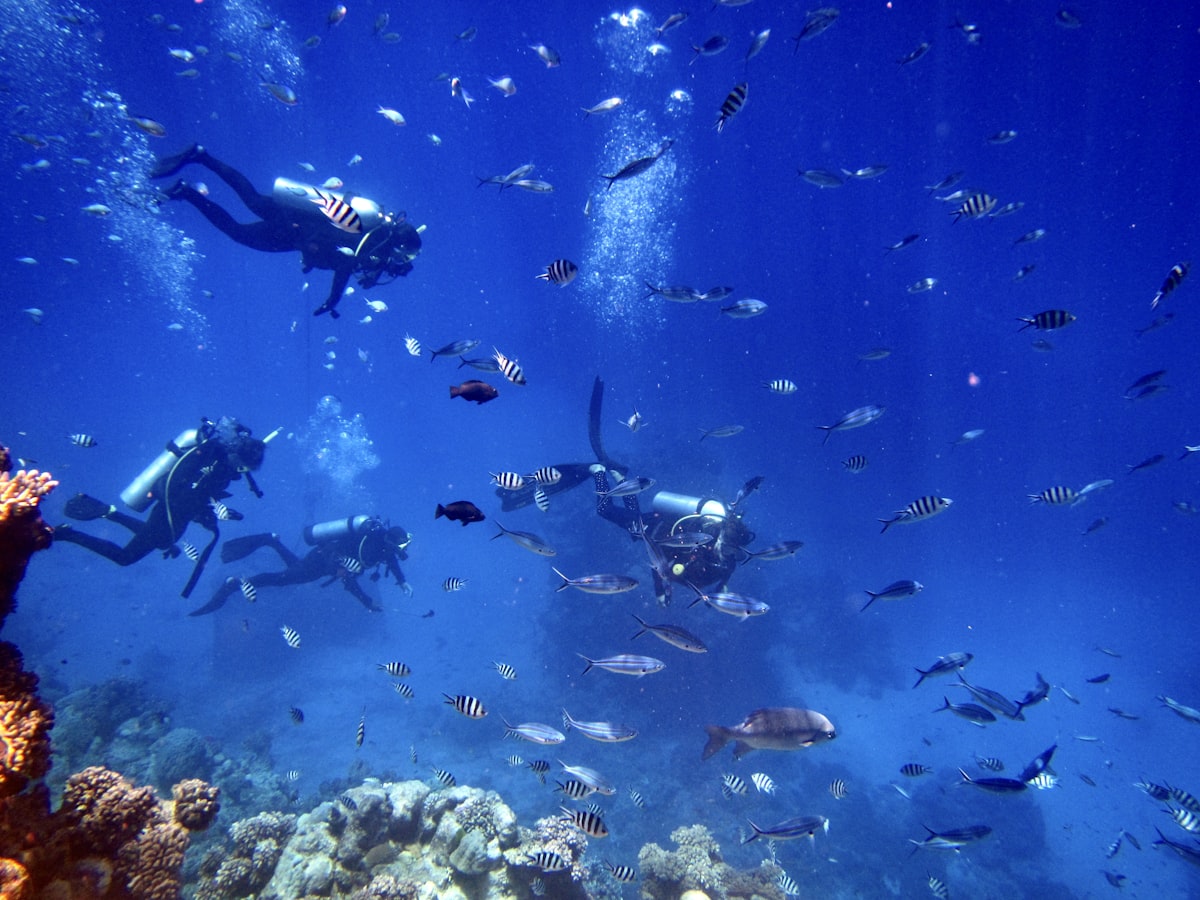
The breakthrough finally came two years ago off the coast of Cornwall. Divers mapping the health of local maerl beds for a project organized by Natural England collected a tiny sample of red algae with pink bands and pincer tips. Freelance marine biologist Francis Bunker kept finding the tiny seaweed in the collected samples. Using a magnifying glass while diving, Bunker suspected he had found the missing puzzle piece Maggs had been seeking for four decades. He gathered what he could and sent it to her in London.
Maggs bought a wine fridge to keep the sample alive and grow it large enough for DNA sequencing. It was dark, cool, and perfect. That appliance gave the delicate organism exactly what it needed to survive, and with Beatriz de Barros Barreto handling the DNA sequencing work, the evidence finally stacked up. So Maggs proved this seaweed was a completely new species. It's a discovery that changes the books.
Why this tiny organism matters to the ecosystem
You might wonder why a tiny seaweed is worth forty years of searching. It's a fair question. But here's the thing: seaweeds are among the oldest forms of life on Earth, originating more than one billion years ago, and they've been quietly shaping our planet ever since, surviving mass extinctions and feeding countless marine creatures across the ages. They play a key role in our oceans and in our everyday lives. So don't underestimate them. Here is what makes them so important:
- They provide critical nurseries and food sources for fish, including economically important species.
- They offer safe places for marine life to lay eggs.
- They contain abundant minerals and anti-inflammatory properties used in human medicines, from treating acid reflux to making wound dressings.
Seaweed expert Juliet Brodie, based at the Natural History Museum where a sample of the new species is now housed, emphasizes that seaweeds keep our world functioning. Without them, the marine food web would collapse.
The scientific name and the public debate
The scientific journals will know it as *ceramium ruenessianum*, a formal designation that Maggs chose specifically to honor her colleague, who has spent four decades studying this exact type of algae. But the divers have already picked a nickname. Pink-zebra weed. It's catchy, and it stuck fast. Other suggestions floated around, like pink-banded bandit or ribbon claw, so Maggs has now opened the floor to the public, inviting anyone to toss in their own ideas for what this striped marine marvel should be called in everyday conversation.
The battle over protecting underwater habitats
Finding the pink-zebra weed does more than satisfy scientific curiosity. It highlights the urgent need to protect the fragile environments where it lives. Maerl beds are rare in Britain and are classed as threatened and declining under the OSPAR convention, an international agreement for environmental protection in the North-East Atlantic.
Currently, the UK has only four protected maerl sites, such as the Fal and Helford Special Area of Conservation. But there is a catch. The beds off the south Cornish coast, where this new seaweed was recently found, do not have formal protection. This has sparked a debate about how we manage our seas.
Balancing conservation and industry
Why are these newly explored maerl beds left unprotected? Government officials from Defra state that it may not be necessary to designate this specific area as a protected site, noting there is no requirement to protect every single example of a species or habitat. They argue that nature recovery must be balanced against other national priorities, including offshore wind development and commercial fisheries.
But marine biologists warn that leaving these areas unprotected risks damaging the delicate ecological communities they support. It's a real threat. Biology professor Craig Schneider, who was not part of the study, notes that finding the pink-zebra weed is a major development, and he believes it could generate much-needed interest in protecting these vital habitats, which support countless plants, animals, and microbes. So for now, specialized divers will continue their difficult and expensive work. They're searching the seabed for new secrets before they're lost forever. Don't wait.
Frequently Asked Questions
What is the pink-zebra weed and why did it take forty years to identify?
Pink-zebra weed is a nickname for a tiny marine seaweed with pink stripes that was discovered off the coast of Cornwall. It took forty years to identify because marine scientist Christine Maggs only caught fleeting glimpses of it and couldn't get a larger sample needed for DNA sequencing until a diver named Francis Bunker collected enough of it.
Who found the sample that led to the identification of pink-zebra weed, and how was it kept alive for DNA sequencing?
Freelance marine biologist Francis Bunker found the tiny seaweed while diving and mapping maerl beds in Cornwall, and he sent it to Christine Maggs in London. Maggs bought a wine fridge to keep the sample alive and grow it large enough for DNA sequencing, as it was dark, cool, and perfect for the organism's survival.
Why is pink-zebra weed important to the ecosystem according to the article?
The article explains that seaweeds, including pink-zebra weed, are among the oldest forms of life and play a key role in oceans by providing nurseries and food sources for fish, offering safe places for marine life to lay eggs, and containing minerals and anti-inflammatory properties used in human medicines. Juliet Brodie, a seaweed expert, emphasizes that without them, the marine food web would collapse.
What is the scientific name of pink-zebra weed, and why was it chosen?
The scientific name is *ceramium ruenessianum*, which Maggs chose to honor her colleague who has spent four decades studying this exact type of algae. The article notes that this formal designation was specifically to recognize that colleague's long-term research.
What is the debate about protecting the maerl beds where pink-zebra weed was found?
The article states that the maerl beds off the south Cornish coast, where pink-zebra weed was found, do not have formal protection, sparking a debate about managing seas. Government officials from Defra argue that nature recovery must be balanced against national priorities like offshore wind and fisheries, but marine biologists warn that leaving these areas unprotected risks damaging ecological communities, and they hope the discovery will generate interest in protecting these habitats.

Eva Koch writes about scientific research and the people behind it, covering the studies and breakthroughs shaping our understanding of the world. She values curiosity and careful evidence in equal measure.
💬 Comments (0)
No comments yet. Be the first!