Sweden's Solution to Stop Spam Callers: Be Ruder
Swedish police urge citizens to hang up on spam callers and embrace rudeness, launching a campaign to combat rising phone scams.
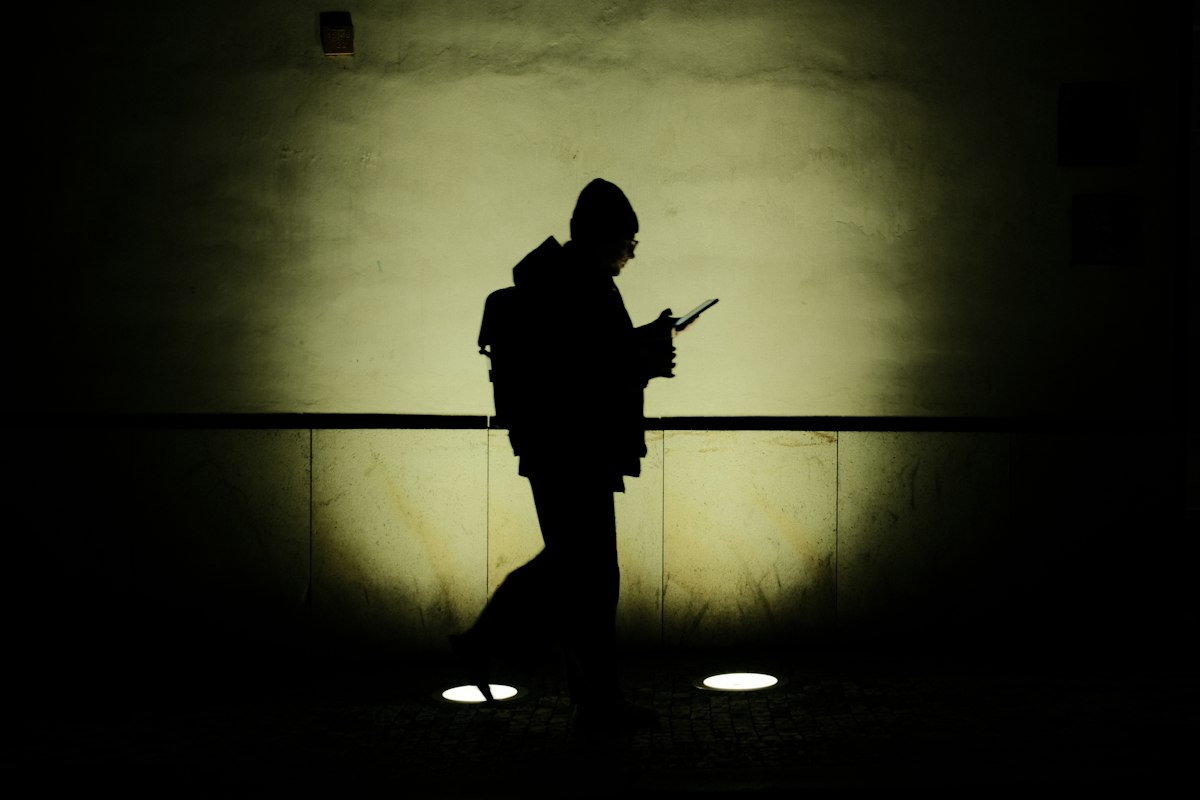
Sweden's solution to stop spam callers comes down to four blunt words. Hang up and be rude. That's the message from Polisen, the country's national police force, which has launched a public campaign urging citizens to abandon their manners the moment a suspicious voice comes through the line, because they've decided that politeness just isn't worth the risk anymore. So don't be nice.
This push isn't a gentle reminder about caller ID. It's a permission slip. An explicit one. A permission slip to be dismissive, to interrupt, to shut the door in someone's face, and while that alone might sound like nothing more than rudeness dressed up as a feature, the numbers behind it, the hard figures that nobody at the company wants to read out loud, explain exactly why this is happening now. And they're telling. We've seen the data. You can't argue with it.
Hundreds of Millions Lost to Phone Scams
Swedish police estimate that scammers pulled in 575.3 million dollars in ill-gotten gains during 2025 alone. While online fraud built on increasingly convincing generative AI tools keeps climbing, the bulk of that money still flowed through old-fashioned phone calls. The victims skew heavily toward citizens over 60, which is precisely the group this campaign is built to reach.
Authorities enlisted national celebrities. Actors Suzanne Reuter, Lennart Jähkel, and Christina Schollin signed on, along with journalist Claes Elfsberg, because someone had to carry that message to the public. So they're the ones saying it out loud. Their role, when you strip it down, is to speak plainly what many people raised to be courteous find uncomfortable, and they can't soften it, because the whole point is saying it.
"Many of us are raised to always be polite and accommodating, and there are many in my generation. But today you have to dare to be a little more questioning. It's not rude, it's self-protection."
That is Reuter, best known for the long-running comedy series Svensson, Svensson, making the case that good manners are a liability once a stranger on the phone starts steering the conversation.
How the Script Usually Unfolds
The pattern Swedish authorities describe is remarkably consistent. It starts with a text message. That message claims to come from someone in authority, a government official or a bank representative, and it asks the recipient to call a specific number. Once the call connects, the scammer spends time building trust, and they're patient about it, before pivoting hard and manufacturing urgency. But that's the turn. And it's a hard one. So don't expect the pressure to come early, because it doesn't, and that's exactly what makes the whole thing work.
In some cases, the caller insists a crime is underway and that the target must move money to a different account immediately to stop a theft that is not happening. Every step is designed to feel legitimate. Every step is designed to keep the mark talking.
Why Smart People Fall for It
From the outside, these calls look obvious. They are not. Sophisticated scammers are skilled at hijacking emotion and psychology, establishing rapport and then tapping into fear, excitement, greed, and desire until the defense of an otherwise rational person wears thin.
Martina Dove wrote The Psychology of Fraud. She explained the mechanism in a recent interview with the CBC. "When we're under a very strong visceral influence, we are not able to recall information as readily," she said, and that single sentence carries the whole weight of what happens to a mind under pressure. "So memory will suffer, it's going to make them more impulsive.
Dove added that under that kind of pressure, people default toward compliance. And it's simple. We cave. When we're under a visceral influence, we're more likely to go along and be compliant and try to avoid whatever we perceive to be threatening to us, because in that moment, when our bodies and minds are pushing us toward one narrow instinct, the path of least resistance starts to look like the only path we can take.
That is the trap. Politeness is the door scammers walk through.
Not Just a Phone Problem
The same principle extends past the handset. In Sweden and the Netherlands, a less common but persistent scam involves someone posing as a police officer at a victim's front door, asking for money or valuables. Authorities say the correct response is the same as on the phone: close the door. Do not worry about how it looks.
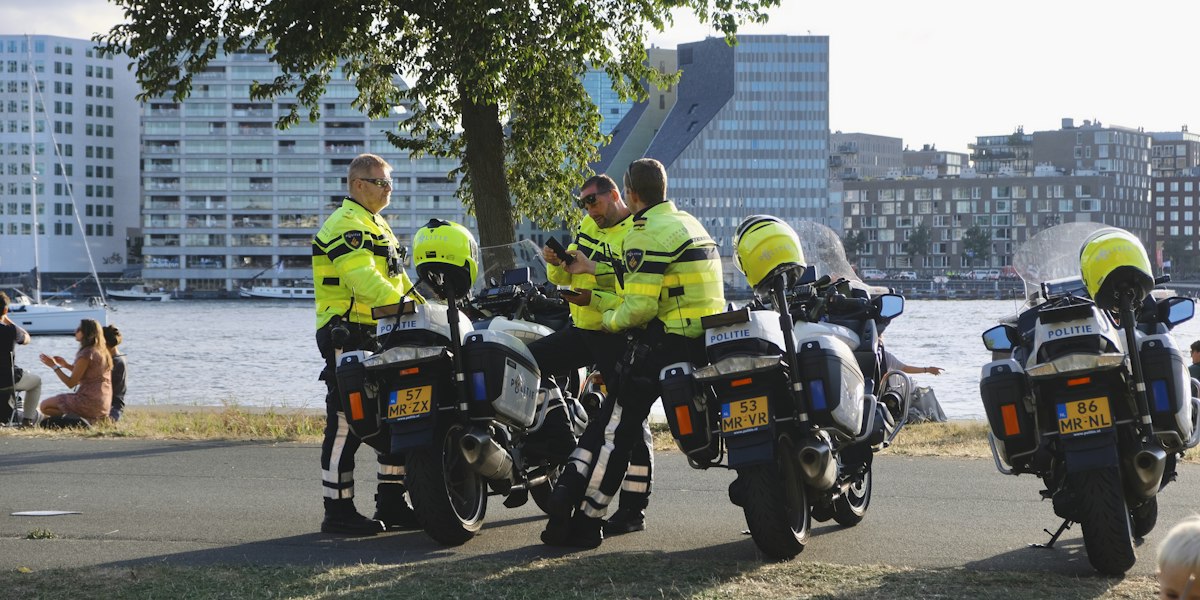
The stakes run beyond individual losses. Money swindled over the phone can fund black markets and more serious crime, which gives police a second reason to shut the schemes down.
That effort is happening on multiple fronts. Swedish police have launched a nationwide operation targeting what they describe as "top players" in scamming rings connected to organized crime. On the legal side, lawmakers recently passed legislation requiring the country's telecommunications companies to take more proactive measures against calls likely to be fraudulent.
A Familiar Playbook With Limited Returns
In 2019, the United States tried something similar. It passed legislation. That law required the Federal Communications Commission to mandate a caller ID authentication framework called STIR/SHAKEN, a technical system designed to verify that the number showing up on your screen actually belongs to the person calling you. Anyone who uses a phone today can attest to how that turned out. And we've all got the spam calls to prove it.
The scale of American fraud makes Sweden's problem look almost modest. The Federal Trade Commission estimates people in the U.S. Lost somewhere around 3.5 billion dollars to imposter scams last year, and those losses fall disproportionately on older citizens, the same demographic scammers hunt in Sweden.
Which raises an uncomfortable point. If the technical fixes have only gone so far, and the psychology of the con has not changed, then the simplest defense may be the one nobody wants to hear: stop being nice.
- Hang up at the first hint of suspicion, without apology.
- Never call a number sent by text from someone claiming authority.
- Treat urgency as a warning sign, not a reason to act.
- Shut the door on unexpected visitors asking for money or valuables.
Polisen summed up its own campaign in a single line: "The message is simple: Dare to be rude, it could save you from being scammed."
For a generation raised to hear people out, that's a hard habit to break. It's also the most effective one to learn. Sweden's solution to stop spam callers isn't software. It isn't regulation. It's a small act of everyday impoliteness, deployed without guilt, at exactly the right moment, and it works because it asks nothing more of you than a brief, deliberate rudeness you've been taught since childhood to avoid.
Frequently Asked Questions
What is Sweden's solution to stop spam callers according to the national police force?
Sweden's solution to stop spam callers is to hang up and be rude. Polisen, the country's national police force, launched a public campaign urging citizens to abandon their manners the moment a suspicious voice comes through the line.
Why did Swedish authorities decide that politeness is no longer worth the risk when dealing with suspected scammers?
Swedish police estimate that scammers pulled in 575.3 million dollars in ill-gotten gains during 2025 alone, with victims skewing heavily toward citizens over 60. Authorities decided politeness just isn't worth the risk anymore because the bulk of that money still flowed through old-fashioned phone calls.
How do phone scammers typically manipulate their victims into complying, according to the article?
The pattern starts with a text message claiming to come from someone in authority, like a government official or bank representative, asking the recipient to call a specific number. The scammer then builds trust patiently before pivoting hard and manufacturing urgency, sometimes insisting a crime is underway and that the target must move money immediately.
Who are the national celebrities enlisted to carry the campaign's message to the public?
Actors Suzanne Reuter, Lennart Jähkel, and Christina Schollin signed on, along with journalist Claes Elfsberg. Their role is to speak plainly what many people raised to be courteous find uncomfortable.
What practical steps does the article recommend when receiving an unexpected call or visit from someone claiming authority?
The article advises hanging up at the first hint of suspicion without apology, never calling a number sent by text from someone claiming authority, and treating urgency as a warning sign rather than a reason to act. For unexpected visitors asking for money or valuables, the correct response is to close the door and not worry about how it looks.

Eva Koch writes about scientific research and the people behind it, covering the studies and breakthroughs shaping our understanding of the world. She values curiosity and careful evidence in equal measure.
💬 Comments (0)
No comments yet. Be the first!