SpaceX's Tower Catch Plan Signals Starship Pivot
Following a successful splashdown, SpaceX is moving to catch Starship with its launch tower, a strategic shift for reuse.

Tower catch becomes the primary target for next Starship flight
Tower catch operations are the next big technical hurdle for Starship. After the thirteenth test flight successfully sent the vehicle from Starbase, Texas, to an intact splashdown in the Indian Ocean, the team is now moving toward a recovery strategy that aims to return the ship to the launch site. This objective follows the existing procedure, where mechanical arms on the launch tower attempt to capture the vehicle as it nears a hover state. But they've already done this with the Super Heavy booster. That booster is larger and heavier, yet it descends at lower speeds than the ship itself.
Data gathering drives the iterative design process
Engineers have identified heat shield durability as a primary challenge for long-term viability. But they've inspected over 18,000 ceramic tiles after the recent mission, which endured temperatures reaching 2,600 degrees Fahrenheit during atmospheric reentry. That's vital. Getting an intact vehicle in the water provides the technical team with a valuable dataset regarding how the stainless steel airframe and insulating materials perform under high dynamic pressure, and we can't refurbish or replace the heat shield after every single flight.
Strategic requirements for rapid flight cycles
Multiple flights per day require landing and rapid turnaround.
- Successful tower capture of the Starship upper stage.
- Refinement of the Raptor engine landing burn sequences.
- Validation of orbital refueling.
- Demonstration of long-duration coasting capabilities in space.
Refining the recovery of the booster
The Super Heavy booster struggled during its landing burn in the Gulf of Mexico. That's a problem. This Version 3 hardware completed the high-thrust portion of its boostback burn using all 33 methane-fueled Raptor engines, but the system failed to relight a sufficient number of those engines to enable a controlled landing, so we've got to improve this aspect of the flight profile to reach the goal of consistent, rapid recovery at the launch pad.
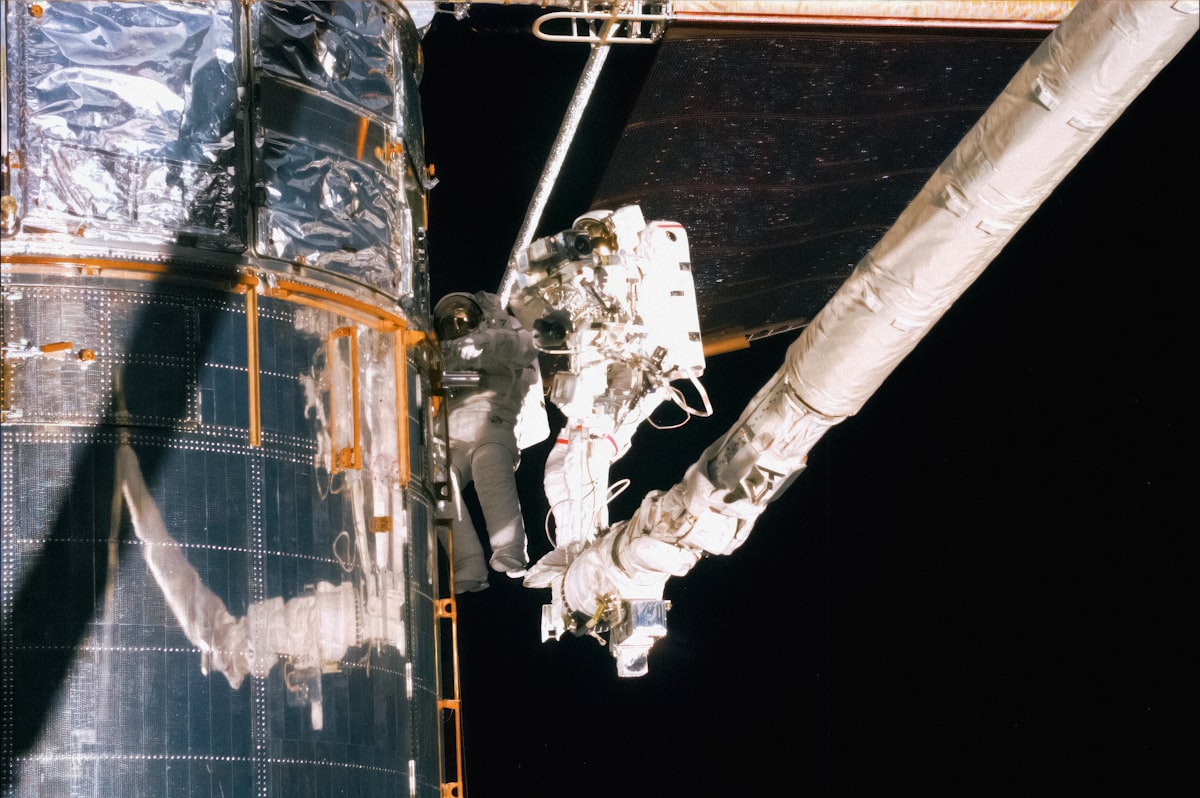
Unless we discover problems after mission data review, SpaceX will attempt to catch the ship with the tower on next flight, said Elon Musk.
Path toward operational orbital missions
Twenty upgraded Starlink V3 satellites deployed successfully. This demonstrated the capacity to carry payloads, though these were on a suborbital trajectory, and these satellites are larger and heavier than previous iterations, so they require the scale of the current launch vehicle. But once the ship can reliably return to the launch site, it'll open the door to orbital refueling. That's key for deep space exploration. This capability supports human-rated lunar missions in partnership with NASA.
The drive toward full reusability is accelerating. But the ability to perform orbital refueling remains a key technical requirement for lunar access, and the company is preparing launch pads in Texas to support these complex operations. Future development depends on consistently landing the vehicle to keep the hardware in an operational state for the next mission. It's non-negotiable.
Frequently Asked Questions
What is the primary target for the next Starship flight?
The primary target for the next Starship flight is to achieve a tower catch, where mechanical arms on the launch tower attempt to capture the vehicle as it nears a hover state. This follows the existing procedure already used for the Super Heavy booster.
Why is transitioning to recovery at the launch site important?
Transitioning to recovery at the launch site is important because the reliance on saltwater splashdowns is temporary, and the current design isn't meant for exposure to marine environments. This move protects the hardware's integrity and supports rapid turnaround for multiple flights per day.
How did the Super Heavy booster perform during its landing burn?
The Super Heavy booster struggled during its landing burn in the Gulf of Mexico. It completed the high-thrust portion of its boostback burn using all 33 Raptor engines, but the system failed to relight a sufficient number of those engines to enable a controlled landing.
What technical milestone is critical for the program after successful tower capture?
After successful tower capture of the Starship upper stage, critical technical milestones include refinement of the Raptor engine landing burn sequences, validation of orbital refueling, and demonstration of long-duration coasting capabilities in space.
Who stated that SpaceX will attempt to catch the ship with the tower on the next flight?
Elon Musk stated that unless problems are discovered after mission data review, SpaceX will attempt to catch the ship with the tower on the next flight. This was mentioned in the article as a direct quote from him.

Eva Koch writes about scientific research and the people behind it, covering the studies and breakthroughs shaping our understanding of the world. She values curiosity and careful evidence in equal measure.
💬 Comments (0)
No comments yet. Be the first!