Skyroot’s Vikram-1: A Success Story
India’s first private rocket, the Vikram-1, successfully reached orbit on its debut launch, marking a major industry milestone.

Vikram-1 marks a historic launch for India
Vikram-1 reached orbit. This massive victory for private space flight in India came from a launch at Sriharikota Island, where the rocket climbed to a 280-mile-high orbit, and it's the first time a privately-developed rocket from the country has achieved that feat on its debut attempt.
How the rocket reached space
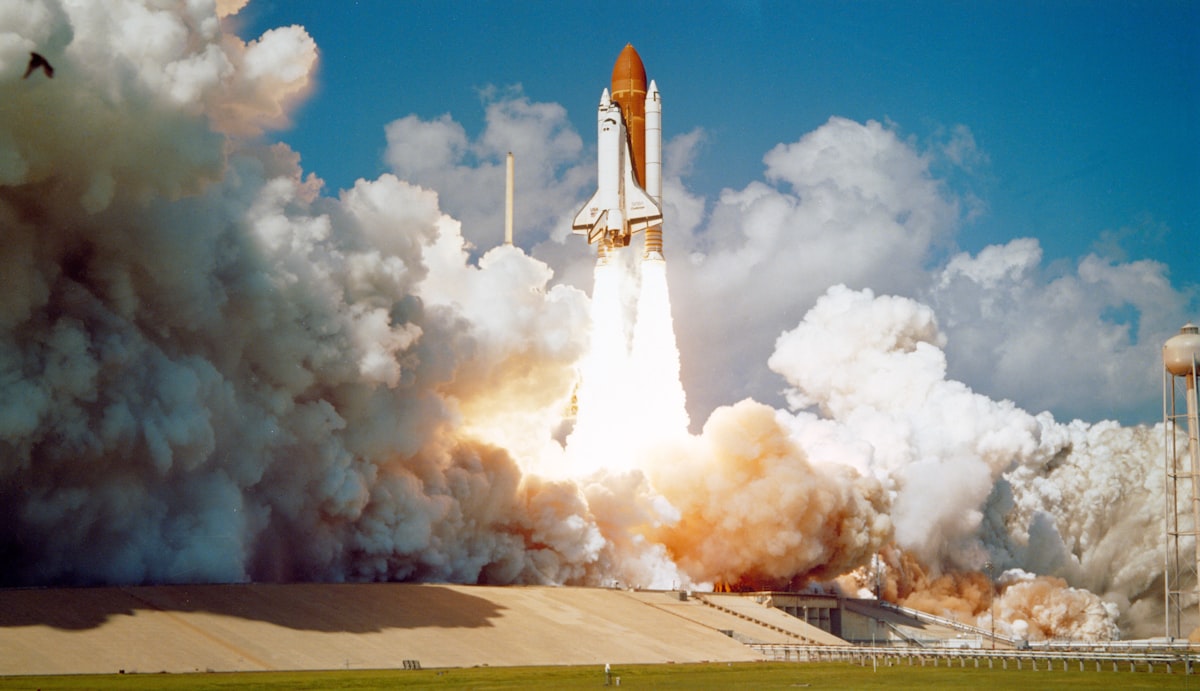
Orbit is rarely easy. It's a brutal test for any new company, and the launch sequence demanded a precise series of engineered events that pushed the team to its absolute limit. But they cleared a technical hurdle after a short delay. So the mission proceeded with several key stages.
- The solid-fueled first stage booster ignited to lift the rocket off the pad.
- Two additional solid-fueled motors fired in succession.
- A liquid-fueled fourth stage ignited to reach speeds of 17,000 mph.
- The rocket successfully arrived in orbit at a 60-degree inclination.
They stayed close during separation. But the mission's objectives were met, and the fourth stage's 3D-printed engine successfully placed the payload into the planned orbit, a solid result for this challenging phase. It's a win.
Why this milestone matters
Failure is the norm for first flights. But Skyroot Aerospace didn't stumble. Pawan Kumar Chandana, the cofounder and CEO, made sure his team felt the full weight of what they'd achieved by avoiding that all-too-common pitfall.
On the first attempt, reaching orbit, I never thought it was possible. Skyroot’s team made it possible. A big, big, big shoutout to this phenomenal team, which made it happen. In fact, this launch was nothing short of a suspense movie.
It's raised about $160 million. But the company now employs over 1,000 people, and with an average workforce age of just 28, the team is moving at a blistering pace , actually, the rocket itself is a 72-foot-tall structure made of lightweight carbon composite materials.
Looking at the rocket specs
It's built for the small satellite market. But this vehicle can carry payloads of up to 770 pounds into low-Earth orbit, and that size puts it in a specific category of launchers currently used for dedicated satellite missions.
Future plans for the fleet
The team is not stopping here. They have a clear roadmap for what comes next in their development cycle. This includes:
- The Vikram-1U, which will use strap-on boosters to carry heavier loads.
- The Vikram-2, a version featuring a cryogenic upper stage to boost capacity to 2,000 pounds.
The national context
India is pushing hard to expand its space industry. The government has encouraged private firms to step up their launch frequency, and by the end of this decade the goal is to reach 50 launches per year, which is a big goal and part of a larger push to stimulate innovation and encourage young engineers to dream big. But they can't stop now.
What comes next for the company
So, does this impact you? It sure does. If you're tracking the future of satellite launches, this result is a big deal. The company expects a second flight of the rocket before the end of the year, and while the startup has dreams of larger, reusable liquid-fueled rockets, this flight proves they can clear the launch tower and reach their target. It's a clear signal that the private space sector in India is accelerating.
Frequently Asked Questions
What is the significance of the Vikram-1 launch for private space flight in India?
It marks the first time a privately-developed rocket from India has reached orbit on its debut attempt. This victory came from a launch at Sriharikota Island, where the rocket climbed to a 280-mile-high orbit.
Why was the mission considered a success despite potential challenges?
The mission cleared a technical hurdle after a short delay and successfully completed several key stages, including ignition of solid-fueled boosters and a liquid-fueled fourth stage. The fourth stage's 3D-printed engine placed the payload into the planned orbit, meeting all objectives.
How does the Vikram-1 rocket's design support its mission?
The rocket is a 72-foot-tall structure made of lightweight carbon composite materials, built for the small satellite market. It can carry payloads of up to 770 pounds into low-Earth orbit.
What are Skyroot Aerospace's future plans for the Vikram rocket family?
Future plans include the Vikram-1U with strap-on boosters for heavier loads, and the Vikram-2 featuring a cryogenic upper stage to boost capacity to 2,000 pounds. The company expects a second flight of the rocket before the end of the year.
Who leads Skyroot Aerospace and what was his reaction to the successful launch?
Pawan Kumar Chandana is the cofounder and CEO of Skyroot Aerospace. He made sure his team felt the weight of their achievement, expressing that reaching orbit on the first attempt was something he never thought possible, and gave a big shoutout to the team.

Eva Koch writes about scientific research and the people behind it, covering the studies and breakthroughs shaping our understanding of the world. She values curiosity and careful evidence in equal measure.
💬 Comments (0)
No comments yet. Be the first!