Science News: Gold Tongues, Sugar, and New Monkey
This week's highlights include Egyptian gold tongues, interstellar sugar, a new monkey species, and an ancient crater.
Science news provides a snapshot of our past and future
Space and Earth are deeply linked. They're far more connected than we realize, and science news often reveals how the deepest reaches of space and the hidden corners of our planet are intertwined in ways we never expected. This week, we saw everything from golden funerary objects in ancient Egypt to the discovery of interstellar sugars and a new primate species. They're everywhere. But these findings suggest that the building blocks of life and the echoes of our history are all around us, and we can't ignore that they're waiting to be found.
Egyptian tombs reveal gold tongues
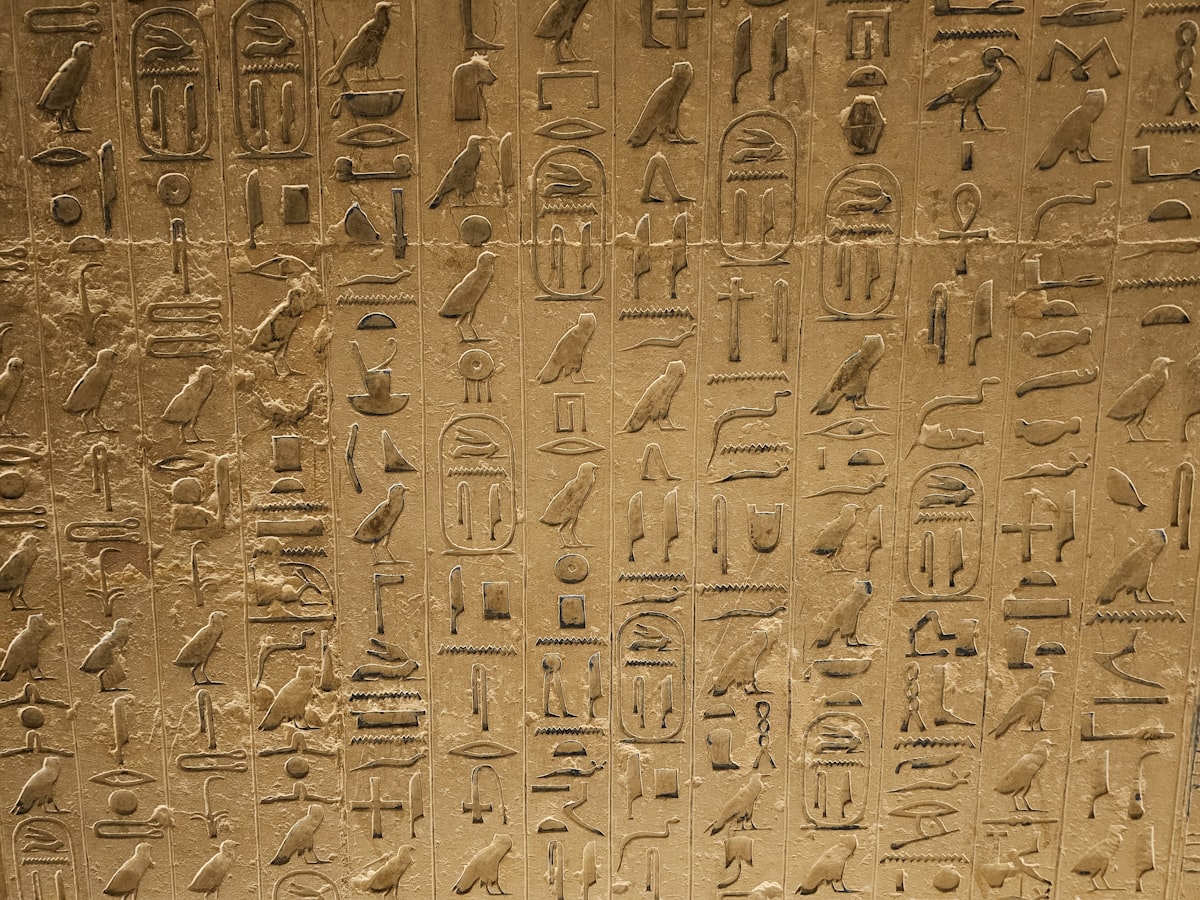
Archaeologists in Egypt have uncovered 18 ancient tombs with an unusual assortment of gold tongues. It's a strange find. The practice relates to a belief that gold served as the flesh of the gods, providing the deceased with the ability to speak in the afterlife, but some suggest one piece might actually represent a wheat ear, a traditional symbol of fertility, even though the tongue interpretation is widely accepted. A lingering mystery persists. And regarding a possible false door inside these burial sites, it continues to spark discussion among experts.
Sugar found in space
Astrochemists have identified a sugar called erythrulose in a cloud near the center of the Milky Way. It's identical to the sugar found in raspberries on Earth. That's wild. This molecule, which contains four carbon atoms, appears in the cold vacuum of space, and that suggests the ingredients needed for life might be spread abundantly across the galaxy. But this discovery shifts the odds. It suggests that the components necessary for life aren't rare, and it raises the playful possibility that life elsewhere in the universe could have a sweet tooth.
A new monkey in the Congo
Colobus congoensis is the latest primate species to be formally identified after years of careful observation in the Democratic Republic of the Congo. Look at its orange lips and white tail patch. But it's also known for a specific set of roars and snorts that make it stand out even more, and finding a large mammal in this day is a rare event. We've only seen five such primate species documented in Africa over the last 75 years. It's a huge deal.

- The monkey discovery required years of tracking and documentation.
- Local residents from eight villages provided critical knowledge to help identify the species.
- The region may hold many more undocumented mammals, reptiles, fish, and plants.
Geoguessing an ancient impact crater
Joël Lapointe is an amateur astronomer. He’s done something most scientists might call impossible. While using map software to plan a hiking excursion in the Cote-Nord region of Quebec, he spotted an unusual indentation in the landscape, and scientists have since confirmed it's a 390 million-year-old meteor impact crater.
"I get lots of messages from the public thinking they have found a crater and 99/100 turn out not to be the case. This is one of those rare examples that shows this is possible," said Gordon Osinski, a professor of planetary geology at Western University in Canada.
Science news coverage often involves verifying claims from the public. But this find stands out. It's a genuine rarity. Most reported sightings of potential craters turn out to be false alarms, yet this specific 2024 discovery has been validated by professional geologists, and it turns out that a hobbyist with the right eye can occasionally correct the map.
Frequently Asked Questions
What did archaeologists find in Egyptian tombs according to the science news article?
Archaeologists uncovered 18 ancient tombs containing gold tongues, which were believed to provide the deceased with the ability to speak in the afterlife. One piece might represent a wheat ear, a traditional symbol of fertility, but the tongue interpretation is widely accepted.
Why is the discovery of erythrulose in space significant?
Erythrulose is a sugar identical to that found in raspberries on Earth, found in a cloud near the center of the Milky Way. This suggests that the ingredients needed for life might be spread abundantly across the galaxy, shifting the odds that life elsewhere could have a sweet tooth.
How was the new monkey species Colobus congoensis identified?
The species was formally identified after years of careful observation in the Democratic Republic of the Congo, with local residents from eight villages providing critical knowledge. The monkey is known for its orange lips, white tail patch, and a specific set of roars and snorts.
Who discovered the ancient impact crater in Quebec, and how was it found?
Amateur astronomer Joël Lapointe spotted an unusual indentation in the landscape while using map software to plan a hiking excursion in the Cote-Nord region of Quebec. Scientists later confirmed it is a 390 million-year-old meteor impact crater.
What does the article say about the rarity of finding large mammals in Africa today?
Finding a large mammal in this day is a rare event; only five such primate species have been documented in Africa over the last 75 years. The monkey discovery required years of tracking and documentation, and the region may hold many more undocumented species.

Nadia Petrov covers science and research across disciplines, from the laboratory to the field. She enjoys making discovery accessible and showing why new findings matter.
💬 Comments (0)
No comments yet. Be the first!