Salton Sea Toxic Dust Impacts Local Communities
A study details how the shrinking Salton Sea releases toxic dust, impacting the respiratory health of vulnerable families.
Salton Sea dust poses health risks
The air is killing them. It’s a slow, invisible poison. Salton Sea residents face an escalating environmental crisis as the lake keeps shrinking and leaves behind a dry lake bed laden with hazardous agricultural chemicals that turn into toxic dust. Once hailed as a miracle in the desert for its thriving mid-twentieth-century vacation scene, the region has transformed into a source of toxic air pollution. But as the water recedes, winds carry fine particles from the exposed soil into the lungs and bloodstreams of neighboring communities, triggering major respiratory and cardiovascular health problems. We can't ignore this.
A landscape altered by policy
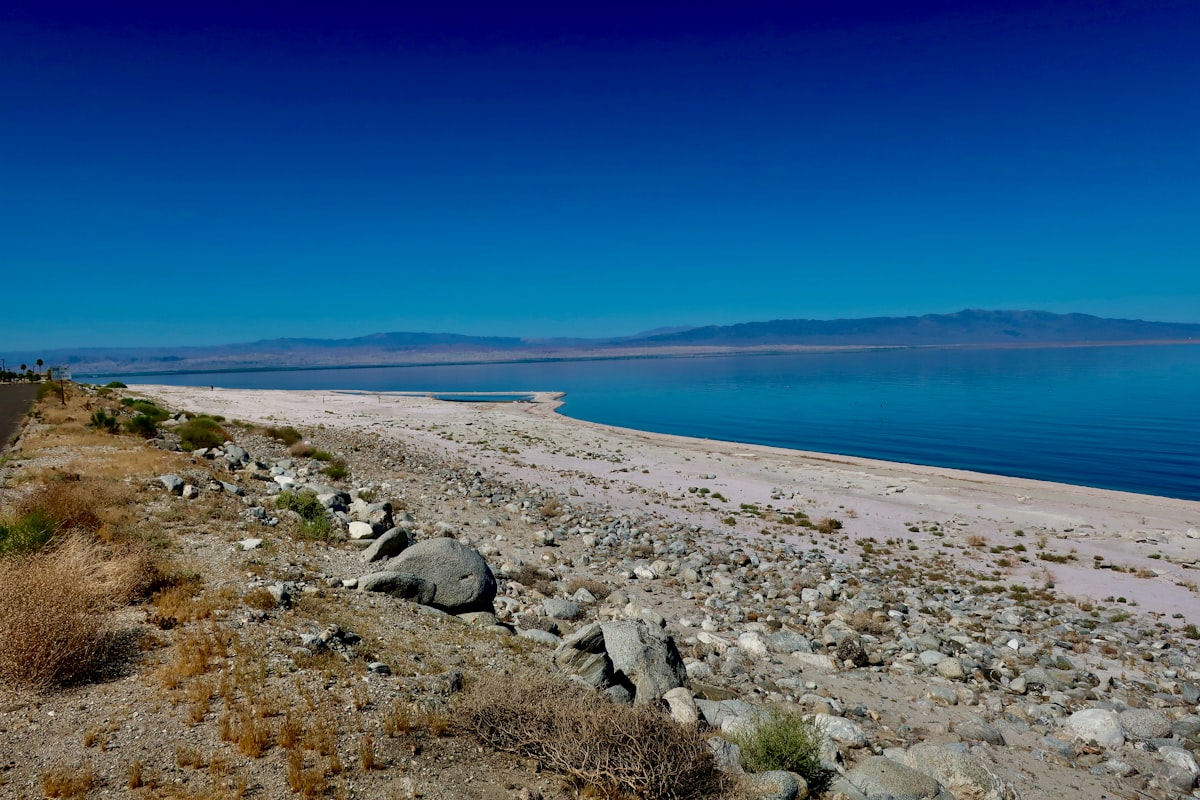
It's a disaster. The decline began decades ago when the influx of fresh water from the Colorado River slowed, and changes in water management, combined with high evaporation rates linked to climate change, accelerated the drying process. Over the last several years, the lake has dropped by 14.6 feet and shrunk by 65 square miles. But this process has unearthed decades of pesticides and heavy metals that previously settled into the mud from large-scale cotton and vegetable farming in the Imperial and Coachella valleys.
Families caught in the crossfire
It's a daily reality. The individuals living nearest to these hazards are often low-income families, including many Latinx and Indigenous Mexican residents, so the threat isn't just a seasonal nuisance but a constant force that dictates their ability to work and attend school. Caregivers frequently manage children with asthma and other respiratory conditions, so they often opt to keep their kids indoors to limit exposure to the poor air quality. But that's not always possible.
The caregiver walks outside. It's sunny; everything's beautiful. Maybe, later on in the day, there is a pickup of wind, and there's dust. Let's say the caregiver is a mother with a child who has asthma who's at school. The children are outside on the playground. Her child is going to be highly affected by the dust that's being picked up by the wind, described Ann Cheney, a professor of social medicine, population and public health at the University of California, Riverside School of Medicine.
Daily life under threat
Farm laborers face a precarious financial situation. The environmental conditions make it worse. But many families in these communities rely on low-wage jobs, and when a child requires medical attention or must be pulled from school due to a dust event, the parent risks losing their employment. The impact extends beyond physical health to mental well-being. Primary caregivers navigate the constant stress of protecting their families. It's exhausting.
Multiple sources of poor air
Residents report that the Salton Sea is not the only factor affecting their health. The environment in the Eastern Coachella Valley is compounded by other systemic issues that degrade air quality:
- The illegal burning of trash and debris.
- Proximity to tire fires that release thick smoke.
- Living in dilapidated mobile home parks with dirt flooring.
- Lack of access to professional-grade home air filtration.
The response remains inadequate
Governmental efforts to mitigate the situation have been met with skepticism from those living on the front lines. Critics argue that the focus has prioritized wildlife over human health, even though some funding has been allocated for restoration and infrastructure projects. The amounts are small. Many families find the healthcare system difficult to navigate, and the most vulnerable residents often lack the insurance coverage necessary to seek help. But home retrofitting resources are available, yet they're too limited to make a real difference, with options like removing dust-trapping carpets or sealing windows barely scratching the surface of what's needed.
As the water continues to vanish, the focus remains on whether local families will receive the support needed to survive in an environment that is increasingly hostile to human health.
Frequently Asked Questions
What health problems are caused by the Salton Sea toxic dust?
The toxic dust from the Salton Sea triggers major respiratory and cardiovascular health problems. Winds carry fine particles into the lungs and bloodstreams of neighboring communities, leading to conditions like asthma and other respiratory issues.
Why is the Salton Sea shrinking and producing toxic dust?
The decline began decades ago when the influx of fresh water from the Colorado River slowed, and changes in water management, combined with high evaporation rates linked to climate change, accelerated the drying process. This has unearthed decades of pesticides and heavy metals from farming that settled into the mud.
How does the toxic dust affect daily life for local families?
Caregivers often keep children indoors to limit exposure to poor air quality, but this is not always possible, especially when children are at school. The constant threat dictates their ability to work and attend school, and low-wage jobs are at risk when a child requires medical attention or must be pulled from school.
Who are the most affected populations near the Salton Sea?
The individuals living nearest to these hazards are often low-income families, including many Latinx and Indigenous Mexican residents. They face a constant force that affects their health, daily activities, and financial stability.
What other factors contribute to poor air quality in the Eastern Coachella Valley besides the Salton Sea?
Residents report that the environment is compounded by illegal burning of trash and debris, proximity to tire fires that release thick smoke, living in dilapidated mobile home parks with dirt flooring, and lack of access to professional-grade home air filtration.

Eva Koch writes about scientific research and the people behind it, covering the studies and breakthroughs shaping our understanding of the world. She values curiosity and careful evidence in equal measure.
💬 Comments (0)
No comments yet. Be the first!