Roman Suburban Life in Bath Revealed by Rare Finds
Roman suburban life in Bath revealed as restoration work at Bath Assembly Rooms unearths ditches with pottery, coins and a helmet fragment.
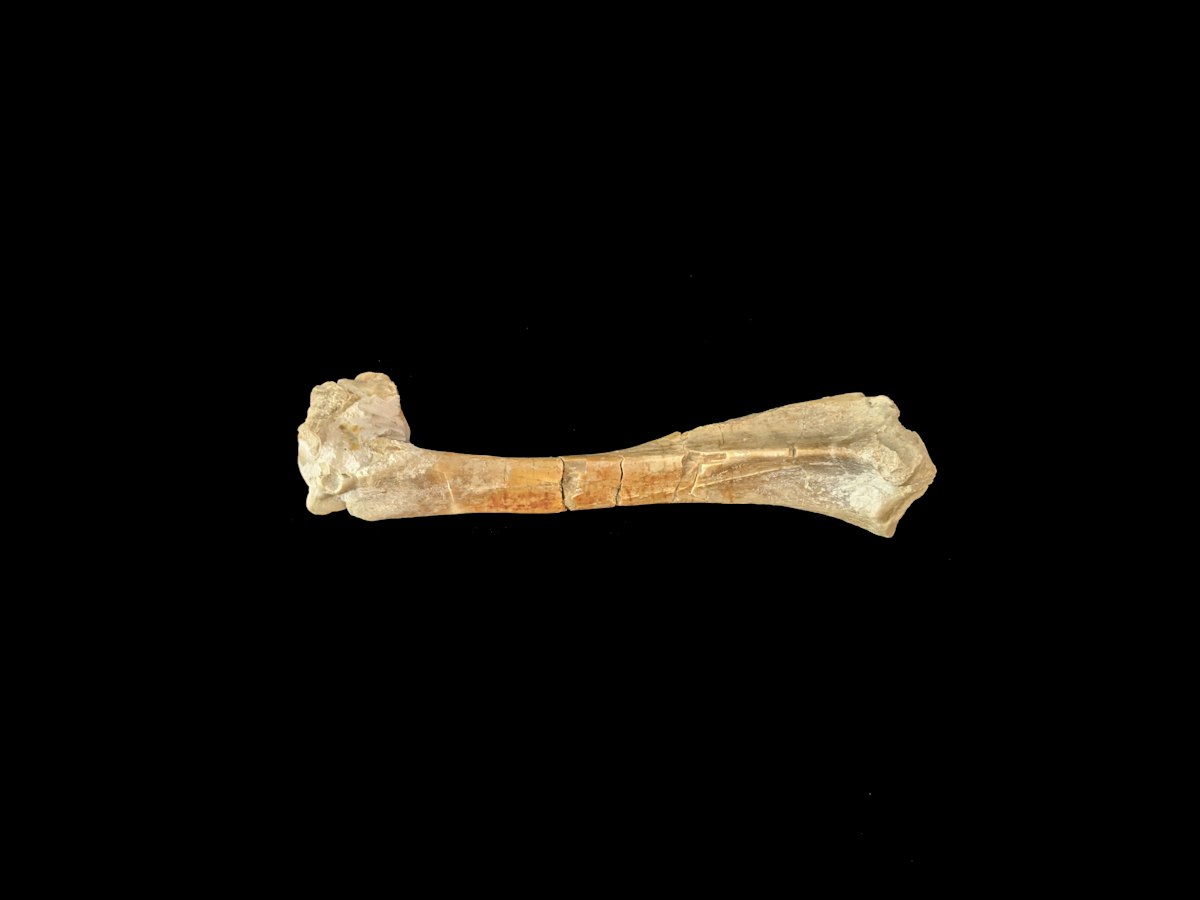
Roman suburban life in Bath has long been a blank spot on the archaeological map, and a restoration project at one of the city’s most famous Georgian landmarks has now begun to fill it in.
Beneath Bath Assembly Rooms, archaeologists have uncovered a network of Roman ditches. That's where Jane Austen once danced. And gambled. The 18th-century building sits on top of pottery, coins, glassware, animal bones, roof tiles and a fragment of a military helmet, all of it pulled from trenches that push the known boundaries of Roman occupation further north than previously documented and suggest more remains are waiting under the Georgian streets and buildings nearby. It's a big find. They're still digging. We've only seen the start.
A Georgian Building With Roman Secrets Below
The Assembly Rooms sit in the north of Bath, an area that had yielded relatively little Roman material before now. Part of the reason is structural. Bath’s Georgian architecture is so solid, and so heavily protected by conservation laws, that the kind of deep construction work capable of exposing ancient deposits almost never happens there. Builders in the late 18th century also skipped deep foundations for the Assembly Rooms, judging the thick clay beneath strong enough to carry the structure without them.
That decision, made more than two centuries ago, turned out to be a gift. The shallowness of the Georgian footings left the Roman ditches undisturbed, waiting for modern archaeologists to reach them. Restoration work on the building opened the door.
What the Ditches Held
Marek Lewcun of Wessex Archaeology spoke about the site. It closed a gap. “There was a gap in our knowledge and this helps fill in a missing link,” he said, explaining that the site helped close a gap in the record and that it's a missing link they don't have to worry about anymore because it's now been filled in. And that's what he said.
The assemblage was modest but telling. Nearly 60 fragments of Roman pottery came out of the ground, along with glass vessels, animal bones, roof tiles and Roman coins. A limestone tessera, possibly part of a mosaic floor, also surfaced. One of the most striking objects was a fragment of a Roman military helmet, taken as evidence that soldiers were involved in building the settlement.
Archaeologists found a slot cut for a beam. That's proof a Roman building stood here. And they found a bone pin too, the kind of accessory people used as a hairpin or a dress fastener, which turned up among the smaller personal items that the team recovered from the site.
[Image: A Roman bone pin discovered at Bath Assembly Rooms. Credit: James Beck/National Trust Images]
Ordinary People, Not Just Emperors
Lewcun’s reading of the finds points to a community of tradespeople rather than the wealthy elite. He compared them to the residents of any modern suburb: shopkeepers supplying pottery and bread, people who had gradually integrated with arrivals from across the Roman empire.
“So we’re probably looking at the ordinary folk that you might find in a modern suburb today, people who had small shops supplying pottery, bread, things like that.”
The contrast with what came before is stark. “Before they arrived we were living in mud huts, more or less,” Lewcun said. “We’ve gone from that to living in buildings that have got roofs, heating, water.”
Money talks. Residents with more money or status, such as retired military leaders, likely lived further up the hill in villas, a detail that says plenty about how wealth and rank shaped where people ended up. It's the old story. Lewcun described that as “the equivalent of retiring to somewhere in the sun today.” And you don't have to look far to see it.
Why This Patch of Bath Stayed Hidden
The Roman baths gave Bath its modern name. They're one of the best-preserved ancient sites in northern Europe, and they draw more than a million visitors a year. The complex was built around mineral-rich hot springs after the defeat of the British queen Boudica in AD60 and 61, and it became known then as Aquae Sulis, the waters of the goddess Sulis, which turned the place into a pilgrimage destination for people seeking healing. But we've got to remember what that means. It's still drawing crowds today.
Previous work had already shown that suburbs grew around the baths complex, with comfortable country villas further out. The area north of the city was the exception. Georgian construction and conservation rules kept the ground largely sealed, so evidence of Roman suburban life in Bath simply stayed out of reach.
The absence of finds was never proof of absence. It was a gap in access, not a gap in history, and the Assembly Rooms restoration happened to open a window.
Georgian Glitter and a Roman Bonus
The project itself is not about Rome. The £20m restoration covers refurbishment of the upper rooms, which were heavily damaged by bombing in the second world war, and conservation of 10 original Georgian chandeliers. The building is due to reopen next year with a new Georgian visitor experience and a space for 21st-century assembly.
As expected, the restoration turned up plenty of items from the building’s own heyday. Beauty products, wig curlers, wine bottles and tobacco pipes have all been found. The Roman material came as an unexpected bonus.
Tatjana LeBoff is the National Trust project curator at Bath Assembly Rooms. She called the Roman discoveries important. That's the story. And it's so wonderful to find Roman remains under our Georgian building, she said, a line that captures what it's like when centuries of history sit stacked one beneath the other and the present finally notices what's been waiting quietly all along.
For archaeologists, the implication is clear: the ditches under the Assembly Rooms are probably not an isolated pocket. Similar remains are likely to lie beneath neighbouring Georgian buildings and streets, sealed in place by the same thick clay and the same lack of deep foundations that kept this site intact for nearly two millennia. Each future restoration or repair job in the area now carries the possibility of another glimpse into the lives of Bath’s Roman suburbanites.
Frequently Asked Questions
What Roman objects were uncovered beneath Bath Assembly Rooms?
Archaeologists found nearly 60 fragments of Roman pottery, glass vessels, animal bones, roof tiles and Roman coins. A limestone tessera possibly from a mosaic floor and a fragment of a Roman military helmet were also recovered, along with a bone pin used as a hairpin or dress fastener.
Why did Roman remains in this part of Bath stay hidden for so long?
Bath's Georgian architecture is solid and heavily protected by conservation laws, so deep construction work that could expose ancient deposits almost never happens there. The late 18th-century builders also skipped deep foundations for the Assembly Rooms, leaving the Roman ditches undisturbed.
How did the Assembly Rooms restoration lead to the Roman discoveries?
The £20m restoration project, which covers refurbishment of the upper rooms and conservation of 10 original Georgian chandeliers, opened the door for archaeologists to reach the Roman deposits. The Roman material came as an unexpected bonus, since the project itself was not about Rome.
Who does archaeologist Marek Lewcun believe lived in this Roman settlement?
Lewcun's reading of the finds points to a community of tradespeople rather than the wealthy elite, comparable to residents of a modern suburb. He described them as shopkeepers supplying pottery and bread who had gradually integrated with arrivals from across the Roman empire.
What does the discovery suggest about future archaeological work in the area?
For archaeologists, the ditches under the Assembly Rooms are probably not an isolated pocket, and similar remains are likely to lie beneath neighbouring Georgian buildings and streets. Each future restoration or repair job in the area now carries the possibility of another glimpse into the lives of Bath's Roman suburbanites.

Eva Koch writes about scientific research and the people behind it, covering the studies and breakthroughs shaping our understanding of the world. She values curiosity and careful evidence in equal measure.
💬 Comments (0)
No comments yet. Be the first!