Organ Speak: What It Really Means to Listen to Your Body
Giulia Enders' Organ Speak tours the lungs, immune system, skin, muscles, and brain, revealing the quiet work they do.

It's her follow-up to Gut. But Giulia Enders, a medical doctor and researcher who specializes in the digestive system, made her name with an amusing and unflinching tour of the intestines that cheerfully addressed the nitty gritty of flatulence and optimal posture for defecation, and now her latest work broadens the lens considerably. Organ Speak wastes no time diving beneath the skin, training her curiosity on five other territories: the lungs, the immune system, the skin, the muscles, and the brain.
Each gets a dedicated chapter. It's stitched with latest scientific research and fragments of Enders' personal life, and reads less like dry anatomy textbook and more like enthusiastic conversation with a doctor who genuinely marvels at machinery inside us.
The Lungs and the Inbox
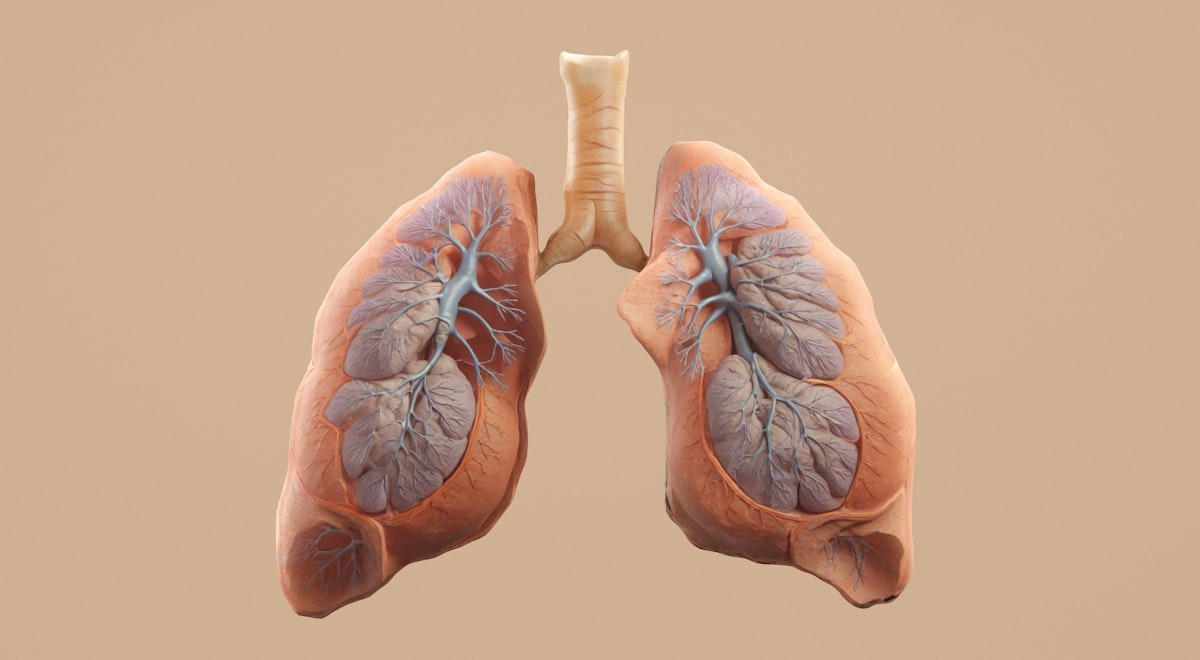
20,000 times a day. That is roughly how often the soft, balloon-like structures in your chest inflate and shrink. The lungs bear the impressions of ribs, the heart, and the oesophagus, and that delicate architecture helps them process air that almost never arrives at the ideal temperature or humidity. The air we breathe carries dirt and pollutants, yet these organs manage the exchange with quiet precision.
Email apnoea is real. Enders flags obscure breathing habits that quietly undermine health, like the unconscious habit of holding your breath when opening an inbox and excessive mouth breathing, and both can leave people grappling with tiredness, neck tension, and shortness of breath. But it's simple: after exhaling, hold the breath briefly to soothe the nervous system.
Immune Defenses and Friendly Fire
It's hard to unread. Enders calls the common runny nose 'nose diarrhoea,' a term that makes immediate sense, much like its intestinal counterpart, and it exists to flush out pathogens. She walks through what happens when the immune system misfires, mistaking harmless substances like peanut protein or even healthy tissue for threats, and the result is inflammation, rashes, or painful joints. But the immune system chapter takes a turn for the vivid.
Keeping Immune Cells Happy
- Sleep well and consistently
- Eat a balanced, nourishing diet
- Exercise regularly
- Get vaccinated against viruses like flu and covid-19
She also notes that infections can impair the immune system for weeks or even months after the virus clears, a condition she calls post-viral syndrome. The body doesn't bounce back. But it doesn't recover the moment symptoms fade.
Skin Deep
Enders peels back complex layers of skin to explore why wrinkles form and why touch matters profoundly, citing research that skin contact in pre-term babies may improve sleep, cognitive development, and stress resistance years later. It's compelling data. And in adults, touch appears to lower blood pressure, reduce anxiety, and bring pain relief. We are wired for contact.
On the cosmetic front, the science suggests a specific routine. Moisturizing creams containing vitamin C work best in the evening, while vitamin A-infused moisturizers paired with sunscreen belong in the morning. The reasoning is practical. Vitamin C degrades in sunlight, and vitamin A without sunscreen can generate damaging free radicals.
Muscle Memory and Genetic Luck
Muscles aren't just for athletes. Enders poses a thought experiment that doubles as a warning, because if you stayed in bed for a fortnight without moving your body would shed roughly a tenth of its muscle mass, and that single statistic lands hard since it's a loss equivalent to 30 years of normal ageing. So they're a savings account you either deposit into or watch dwindle.
The Exercise Equation
Exercise offers familiar rewards: reduced anxiety, a stronger heart, new brain cells. But how muscles respond is partly written in your genes. Some people are built for long-distance running. Others excel at strength training. The practical wisdom is to stop comparing your athletic performance and find the workout your body actually suits. You will probably enjoy it more, too.
The Brain at Rest
The book closes with the brain. But Enders examines sleep deprivation and mechanics of substance addiction, offering refreshingly stripped back bedtime advice: skip bright lights and caffeine before sleep; solutions are less about buying products and more about subtracting bad habits. And she says don't bother with melatonin supplements since most people won't benefit much from the hormone.
Where the Book Strains
Enders occasionally casts organs as wise gurus dispensing deep life lessons, and these passages can feel strained. The idea that contemplating your skin might help you cope with grief or heartbreak is, for many readers, a stretch. The book also wanders. The lung chapter, for instance, detours into the evolution of Earth's atmosphere when a tighter focus on pulmonary mechanics would have been more gripping. Organ Speak probably will not offer seasoned health readers many tips they have not encountered before.
It's still worth it. But if you're curious about your inner workings, it might even remind you to treat them with more care, and the exercise Enders recommends of briefly holding your breath after exhaling is a small, free intervention you can try the next time a worrying email lands in your inbox.
"Our organs also have a substantial say in what it means to be ourselves," Enders writes. "If we can better understand the answers from our body, we could lead a more harmonious life."
That sentiment runs through Organ Speak like a pulse. Whether you find it profound or a bit precious will depend on your tolerance for anthropomorphizing internal organs. The real gift of Organ Speak may be simply this: permission to pay attention to the quiet, ceaseless work happening beneath the surface of every lived moment.
Books That Go Further
For those hungry for more explorations of the human body, three other books stand out:
- Mary Roach takes a look at the most innovative attempts to repair, replace, or enhance body parts, with a daring dose of self-experimentation in the mix.
- Daniel Davis takes a forensic look at what really helps the immune system, cutting through claims about vitamin C and turmeric.
- Neurologist Guy Leschziner uses real accounts, including a man who tastes words and another who feels no pain, to explore how senses shape our private worlds.
Frequently Asked Questions
What does the book 'Organ Speak' focus on?
The book focuses on five organs: the lungs, the immune system, the skin, the muscles, and the brain. Each organ gets a dedicated chapter, and the book is stitched with latest scientific research and fragments of the author's personal life.
Why does the author recommend holding your breath after exhaling?
Enders recommends holding your breath briefly after exhaling to soothe the nervous system. This practice is suggested for when worrying emails land in your inbox, as email apnoea—holding your breath when opening an inbox—can cause tiredness, neck tension, and shortness of breath.
How should you use vitamin C and vitamin A moisturizers according to the book?
Vitamin C moisturizers work best in the evening because vitamin C degrades in sunlight. Vitamin A-infused moisturizers should be paired with sunscreen and used in the morning, as vitamin A without sunscreen can generate damaging free radicals.
What surprising fact about muscle loss from inactivity does the book present?
If you stayed in bed for a fortnight, your body would shed roughly a tenth of its muscle mass, equivalent to 30 years of normal ageing. The book describes muscles as a savings account you either deposit into or watch dwindle.
What criticism does the article level against 'Organ Speak'?
The article notes that Enders occasionally casts organs as wise gurus dispensing deep life lessons, which can feel strained, such as the idea that contemplating your skin might help with grief. Additionally, the book wanders, like the lung chapter detouring into Earth's atmosphere, and may not offer seasoned health readers many new tips.

Eva Koch writes about scientific research and the people behind it, covering the studies and breakthroughs shaping our understanding of the world. She values curiosity and careful evidence in equal measure.
💬 Comments (0)
No comments yet. Be the first!