Neuroscientist Steve Ramirez on the Holy Grail of Memory
Neuroscientist Steve Ramirez discusses his book 'How to Change a Memory' and the quest to understand and manipulate memories, aiming to treat PTSD and dementia.
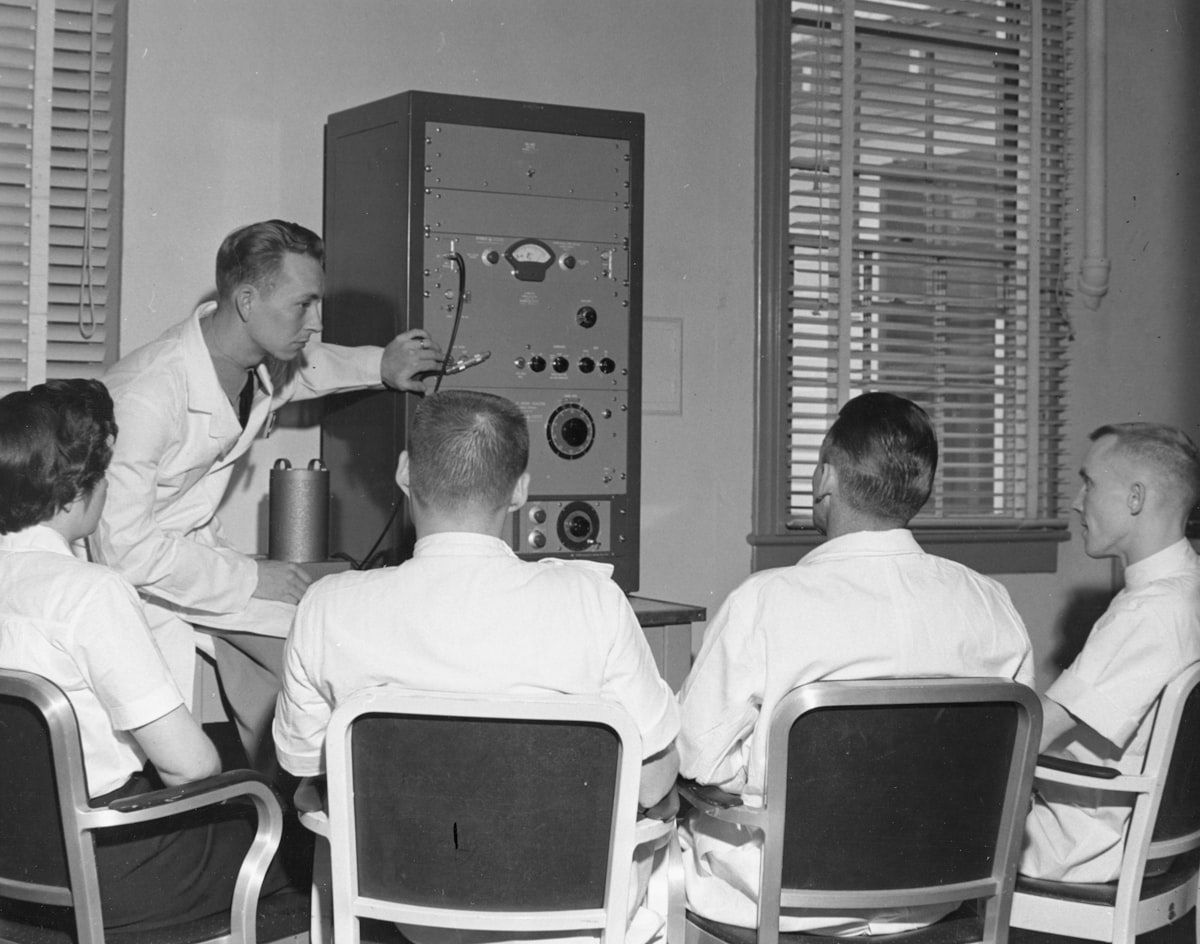
The holy grail of memory isn't a metaphor for Steve Ramirez. It's a working definition. For the Boston University neuroscientist, that grail is the engram, the physical trace of a memory in the brain, and his quest to find it began with a botched surgery on a single mouse.
That accident in 2013, when Ramirez and MIT colleague Xu Liu published their landmark paper on creating false memories in mice, changed the course of his career. The pair had used optogenetics, a technique that manipulates cell activity with light, to plant a fearful memory and then reactivate it. The first four mice showed no response. The fifth froze in fear.
The fifth brain threw them a curveball. The protein tag had landed in a slightly different spot in the hippocampus than intended, a minuscule shift that on any other day might have been written off as experimental noise. They'd stumbled upon the exact location where the memory was stored. That proved it could be controlled. And now Ramirez has written "How to Change a Memory: One Neuroscientist's Quest to Alter the Past" (Princeton University Press, 2025), a book short-listed for the 2026 Royal Society Trivedi Science Book Prize, where he wrestles with what memory actually is and whether we can safely reshape it, a question that grows more urgent with every passing year. It's a daring gamble.
The Accident That Started It All
Ramirez doesn't shy away from the role luck played in his breakthrough. Asked what would have happened if that surgery had gone perfectly, he's honest: they might have missed the discovery entirely. "If we hadn't accidentally botched the surgery, I'd like to think we still would have gotten there," he says. But the likely path would have been a series of negative results, and those results would have led them to decide the hippocampus was the wrong area to investigate, a conclusion that could have buried the whole line of inquiry for good. It's a thin margin. So luck mattered.
The real lesson, he argues, is that science needs more patience with confusing outcomes. Patience pays off. He notes that many researchers have a version of this story, a single hiccup that led down a rabbit hole and became the basis of a career, and that's a pattern worth recognizing when you're stuck in the muck of your own failed experiment. Biology is so squishy, he adds. We're going to get things that kind of zig when we think that they're going to zag. So don't panic when that happens.
What Is an Engram, Really?
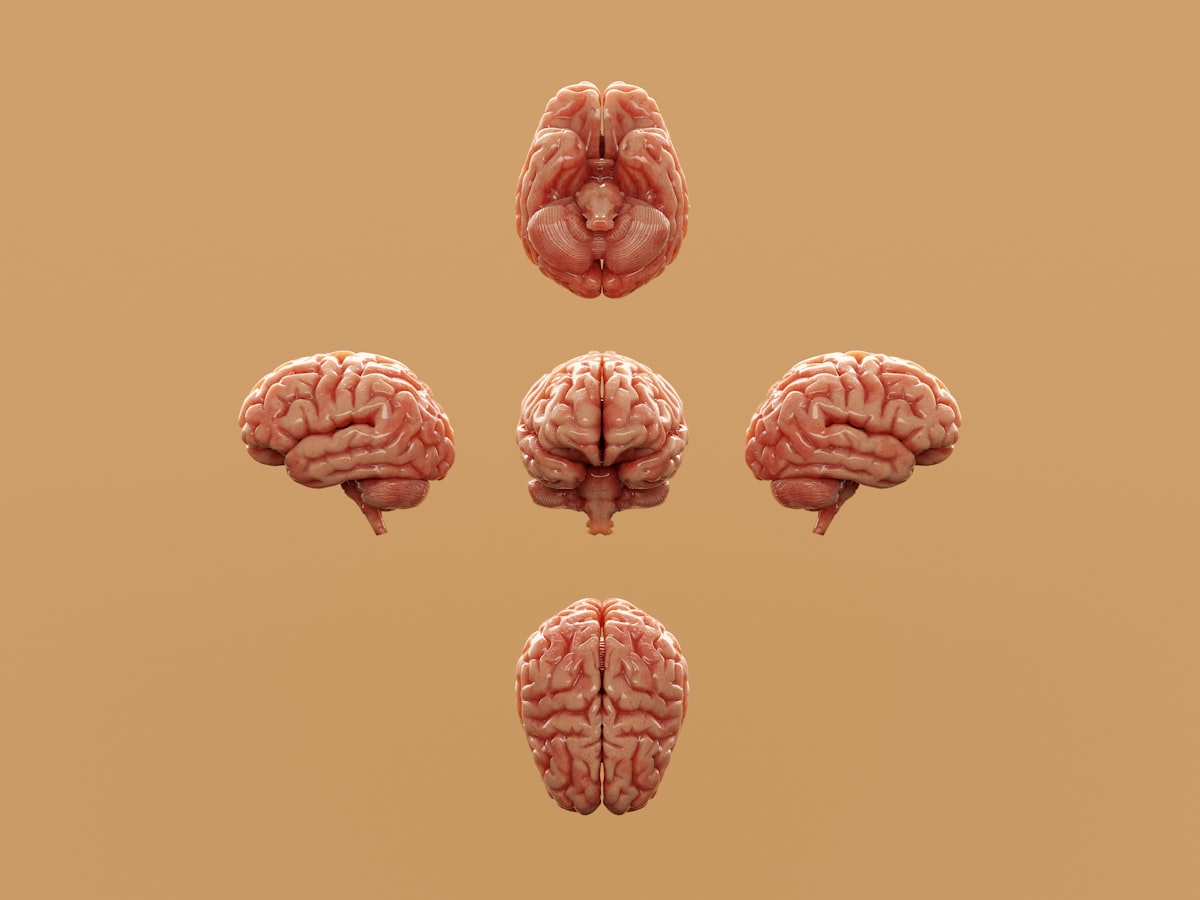
The engram is a theoretical construct. It's a term that sparks fierce debate among memory researchers, and Ramirez calls it the holy grail of what is memory, the cellular building blocks that hold our past. But scientists don't yet have a clean map of where an engram begins and ends. There's no Google Maps view of a memory. There's no zoomed-in look at the emotional component versus the smell associated with a particular moment, so we can't pinpoint its edges or trace its pathways with any certainty.
What researchers have is more like a satellite view, a broad outline of how memory works. That's still valuable. But if we understand the physical manifestation of memory, we can predict what happens when those building blocks break down, leading to amnesia or cognitive decline, and that's a powerful tool to have.
The Human Hurdles
Optogenetics isn't widely used in human medicine yet, though it's in clinical trials for retinal therapy. But groups are working on delivering genetic payloads to the brain without invasive surgery, even exploring peripheral injections that make their way to the brain, and that's a remarkable shift in approach. Ramirez questions whether we need optogenetics in humans at all. In rodents, you have to find and activate specific cells to trigger recall, a process that demands precision and invasive tools. In humans, you can simply ask someone about their dinner last night. So maybe we don't. It's that simple.
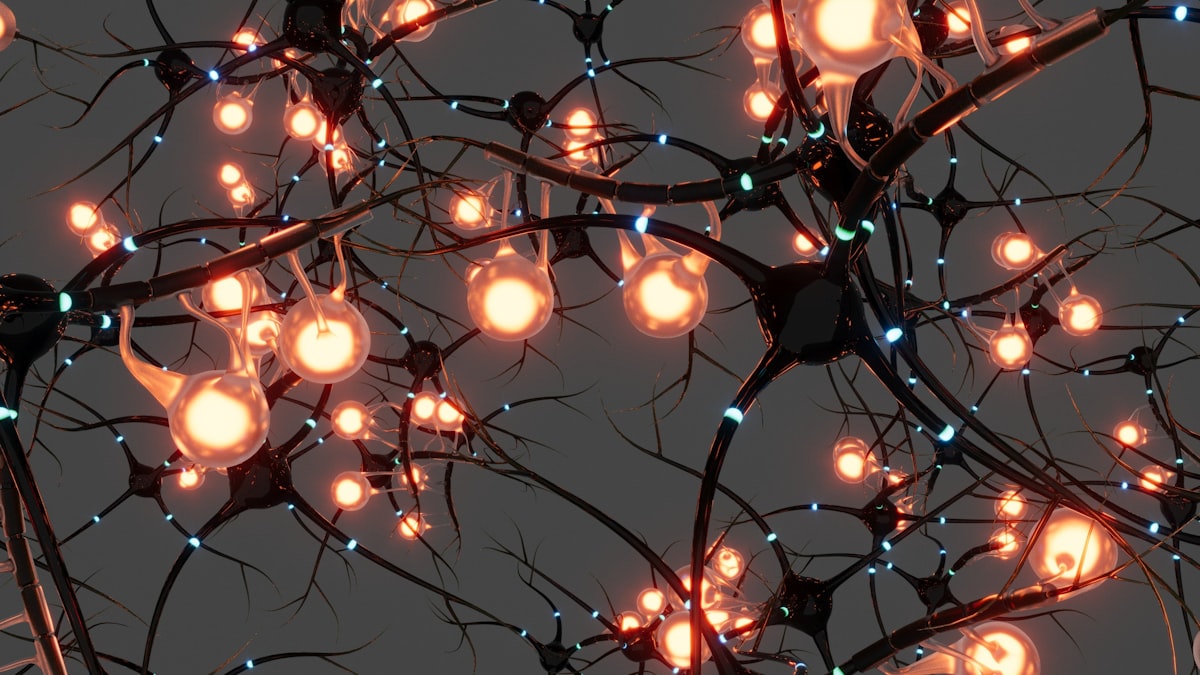
It's all just verbal communication, noninvasive," he points out. That approach can bring a flood of memories back, and this simple, striking idea is central to his argument. The rodent work sets a blueprint. But human applications might lean on cognitive behavioral therapy first, with deep brain stimulation as a last resort, and that's a cautious, stepwise path we've seen before in medicine. So don't expect a quick fix.
The ethics get trickier. Ramirez insists the goal must be morally bounded: to restore health and well-being. "If we keep memory manipulation in the province of medicine, and in the clinic, then we can at least start in a way that takes the person into consideration first and foremost," he says. Society needs a wide discussion about misuse before the technology arrives, not after.
"We can anticipate all of this, right? Begin with it in the clinic, because we can have a kind of social infrastructure that can prevent its misuse and really hit the accelerator on using it for good."
The Quiet Millions
What still blows Ramirez's mind? The sheer scale of memory. If you have memories, they all exist in your brain right now, most of them silent. He can randomly recall a steak dinner or a walk with his dog Maple, and that memory floods back. The other memories stay quiet, yet they're still shaping his biology, personality, and sense of self.
"They are me," he says. "They're just not bubbling into consciousness at the moment." He can be moved to euphoria by one memory and to tears by another within five seconds, depending on which one he chooses. That capacity, to experience the peaks of happiness or the valleys of sadness without breaking a sweat, still feels crazy to him.
The holy grail of memory isn't just about finding where memories live. It's about understanding what those silent memories are doing while one memory takes the stage, sculpting our imagination, our dreams, and who we are. Ramirez's book is an attempt to chart that terrain, one botched experiment at a time. But that's the trick. It's a messy, human map, drawn with failed probes and wrong turns, because we can't truly see the quiet machinery unless we watch it stumble. So he tracks it. One botched experiment at a time, he traces the invisible currents between what we recall and what we create, and the result is a portrait of memory as a restless, collaborative force, not a static archive.
Frequently Asked Questions
What does Steve Ramirez consider the 'holy grail of memory'?
According to the article, the holy grail of memory is the engram, which is the physical trace of a memory in the brain. Ramirez calls it the cellular building blocks that hold our past.
How did the botched surgery in 2013 contribute to Ramirez's discovery?
The botched surgery caused a protein tag to land in a slightly different spot in the hippocampus than intended, which led to the discovery of the exact location where a memory was stored. If the surgery had gone perfectly, they might have missed the discovery entirely.
Why does Ramirez think science needs more patience with confusing outcomes?
Because biology is squishy, and researchers often get results that zig when they expect them to zag. Patience with confusing outcomes can lead to discoveries, as many researchers have a version of this story where a hiccup became the basis of their career.
What is a key difference between rodent and human applications of memory manipulation?
In rodents, optogenetics is used to find and activate specific cells to trigger recall, requiring invasive tools. In humans, you can simply ask about a past event, making it noninvasive and verbal.
According to the article, what is the ethical goal for memory manipulation?
The goal must be morally bounded to restore health and well-being, keeping memory manipulation in the province of medicine and the clinic. Society should have a wide discussion about misuse before the technology arrives, not after.
Nadia Petrov covers science and research across disciplines, from the laboratory to the field. She enjoys making discovery accessible and showing why new findings matter.
💬 Comments (0)
No comments yet. Be the first!