Herschel Museum Art Show Celebrates Sibling Astronomers
An exhibition in the Herschel Museum honors William and Caroline Herschel, blending art and science in their former home.
Herschel Museum Unveils Art Show in Astronomers' Home
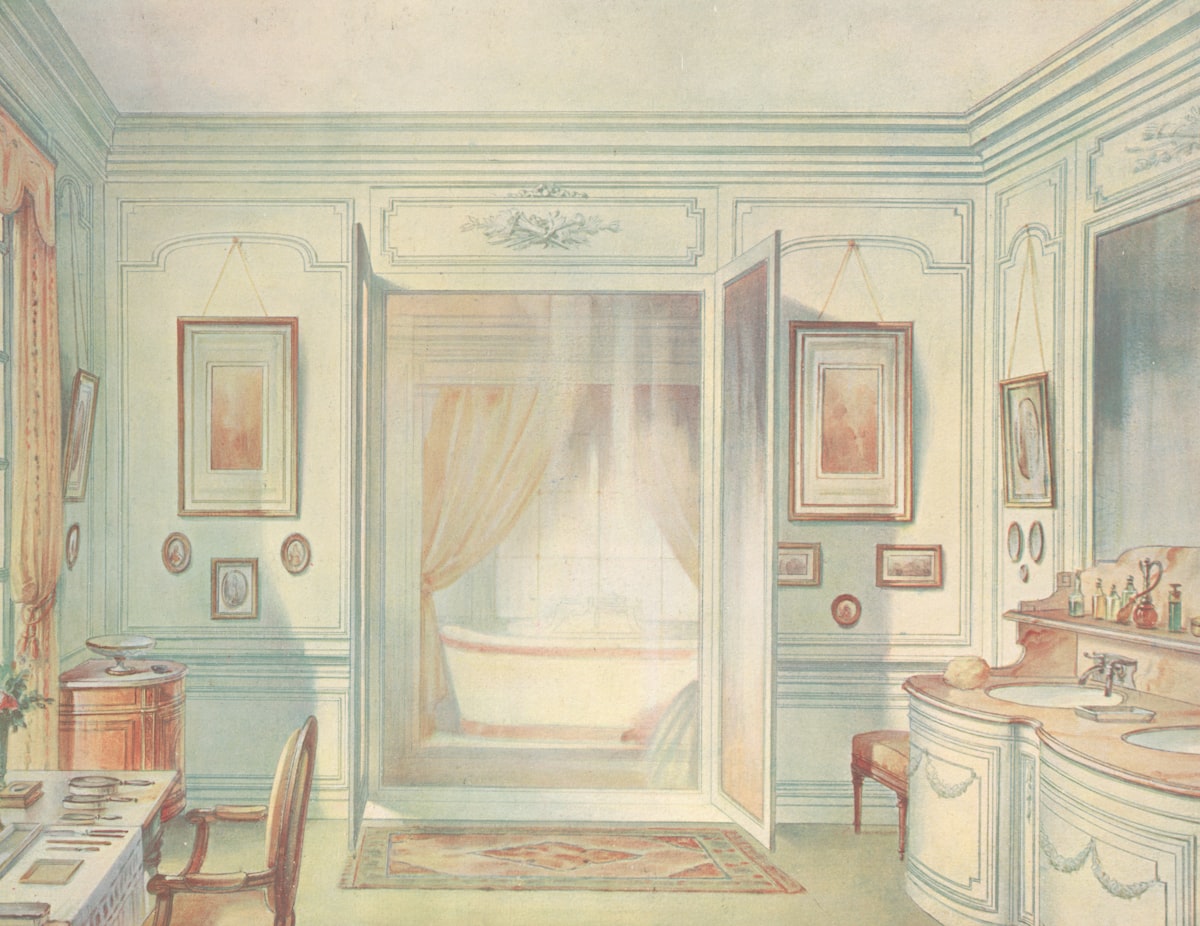
Herschel Museum of Astronomy in Bath is hosting a new exhibition. It blends contemporary art with the domestic history of the brother and sister who changed our view of the cosmos. Irish artist Grace Weir has created site-specific works for the Georgian townhouse where William and Caroline Herschel lived, and it's there they made their pioneering discoveries in the late 18th century. So the past feels present.
The As-Yet Unseen takes its name from a William Herschel quote. He predicted Neptune's discovery. So the show opens on 5 September and runs until 3 January 2027, a rare stretch where contemporary art inhabits the historic rooms of the Herschel Museum, and it's a moment that visitors can't easily replicate.
Art Meets Astronomy at the Dining Table
Weir said she was deeply interested in the science that happened inside the house, including the discovery of Uranus, and fascinated that it unfolded in such a cosy setting. “It is a home,” she said. “Science does not take place in a vacuum. They would have had conversations about their discoveries across the dining table.”
Herschel's 1785 drawing of the Milky Way hangs in the background of Weir's piece, *On the Construction of Heavens*. She had that exact image embroidered onto an antique linen tablecloth, which now rests over the family dining table, a quiet, physical anchor for the sprawling cosmic map. It's personal. But that gesture does something clever, it links the galaxy's abstract swirl to the very wood where the siblings likely argued, laughed, and talked it all through over supper. So the cloth isn't just fabric. It's a conversation.
We're standing right where William and Caroline must have talked about the shape of the Milky Way," Weir said. That's a strange topic for any era. But back then, discussing the galaxy's form would have marked them as outliers, a quiet defiance of conventional astronomy that few others dared to attempt.
Caroline Herschel Finally Gets Her Due
The exhibition’s key element is ensuring Caroline Herschel receives proper credit for the pair’s scientific advances. She arrived in Bath from Germany initially as a housekeeper, following her brother who came in 1777 as a self-taught amateur astronomer, and she quickly became his assistant, recording findings, handling calculations, and maintaining his telescopes. Credit matters.
Then she made discoveries of her own. Caroline found eight comets and became the first woman in England to be paid as an astronomer. Weir's tribute to her comet-spotting ability is called An Imperfect Account, featuring a piece of meteorite and a piece of obsidian shaped like one of Caroline's worry beads.
“William had to persuade her mother to let her come to Bath. He recognised her intelligence and once she got here, they were incredibly collaborative. They drove each other along, they understood each other.”
An LED Counter Tracks Uranus From the Workshop
William built his telescopes down there, in that workshop. It's a raw, unpolished space, but Weir has now grounded the discovery in its very birthplace with an LED digital counter that records, in real time, the changing distance of Uranus from Earth, a quiet and precise homage to the room where the instrument that found the planet was actually constructed. That's the whole piece. So the past and the present tick together, second by second.
The artworks are scattered throughout the house, forcing visitors to hunt them down, to peer around corners and into shadowed alcoves where a painting or a delicate instrument might suddenly reveal itself. Weir says people are losing the art of observing closely. That's a tragedy. She points to the Herschels as the ultimate counterexample, a family who possessed that skill in such abundance that they mapped the heavens and catalogued the mundane with equal, relentless attention. Scrolling has stolen it from us. But the Herschels were masters of long looking, something we are losing by scrolling, she explains, and their patient, unhurried gaze stands as a quiet rebuke to our fragmented, flickering modern attention. So look. Really look.
First Contemporary Art Integration in Museum History
Amy Frost, senior curator at Bath Preservation Trust, confirmed this marks the first time in the museum's history that contemporary site-specific artworks have been integrated into the space. It's really exciting for us. And she explained that the installation feels like a thread being created through time, linking past and present in a way the galleries have never experienced before.
The exhibition runs alongside a second show examining the photographic work of William's son, John Herschel, and together they create an unusual pairing that bridges Georgian astronomy with modern artistic practice. Both exhibitions continue until January 2027, so visitors have ample time to explore this curious dialogue. It's a generous window. Don't rush. And you can't see anything quite like it elsewhere.
For those who visit, the experience demands a slower pace than a typical gallery visit. The pieces hide in plain sight, rewarding patience and careful attention. Weir's work insists that the Herschels' story is not just about telescopes and calculations, but about two people who shared meals, conversations, and an extraordinary curiosity about the heavens.
Frequently Asked Questions
What is the title of the art show at the Herschel Museum and what is its significance?
The art show is called 'The As-Yet Unseen', named after a William Herschel quote about predicting Neptune's discovery. It is significant as it marks the first time in the museum's history that contemporary site-specific artworks have been integrated into the space, blending art with the domestic history of the Herschels.
How does artist Grace Weir's piece 'On the Construction of Heavens' connect art to the Herschels' daily life?
Weir had William Herschel's 1785 drawing of the Milky Way embroidered onto an antique linen tablecloth, which rests over the family dining table. This links the cosmic map to the very table where the siblings likely had conversations about their discoveries, making the cloth a symbolic conversation piece.
Why does the exhibition emphasize Caroline Herschel's role in the scientific work?
The exhibition aims to ensure Caroline receives proper credit for the pair's scientific advances, as she was initially an unpaid housekeeper and assistant whose labor shaped every discovery. It insists she is seen as the engine behind the observations, not a footnote, and highlights her independent achievements like finding eight comets.
Where is the LED counter piece located and what does it track?
The LED counter is located in the workshop where William built his telescopes, grounding the discovery in its birthplace. It records, in real time, the changing distance of Uranus from Earth, creating a quiet homage to the room where the instrument that found the planet was constructed.
What does Grace Weir suggest about modern attention spans compared to the Herschels' approach?
Weir suggests that people are losing the art of observing closely due to scrolling, which has fragmented modern attention. She points to the Herschels as masters of long looking, whose patient, unhurried gaze serves as a rebuke to our modern habits, and she encourages visitors to 'really look' at the artworks hidden throughout the house.
Nadia Petrov covers science and research across disciplines, from the laboratory to the field. She enjoys making discovery accessible and showing why new findings matter.
💬 Comments (0)
No comments yet. Be the first!