Inside the Chicxulub hydrothermal system study
New research shows the Chicxulub hydrothermal system stayed active for 8 million years, suggesting impact sites as habitats.
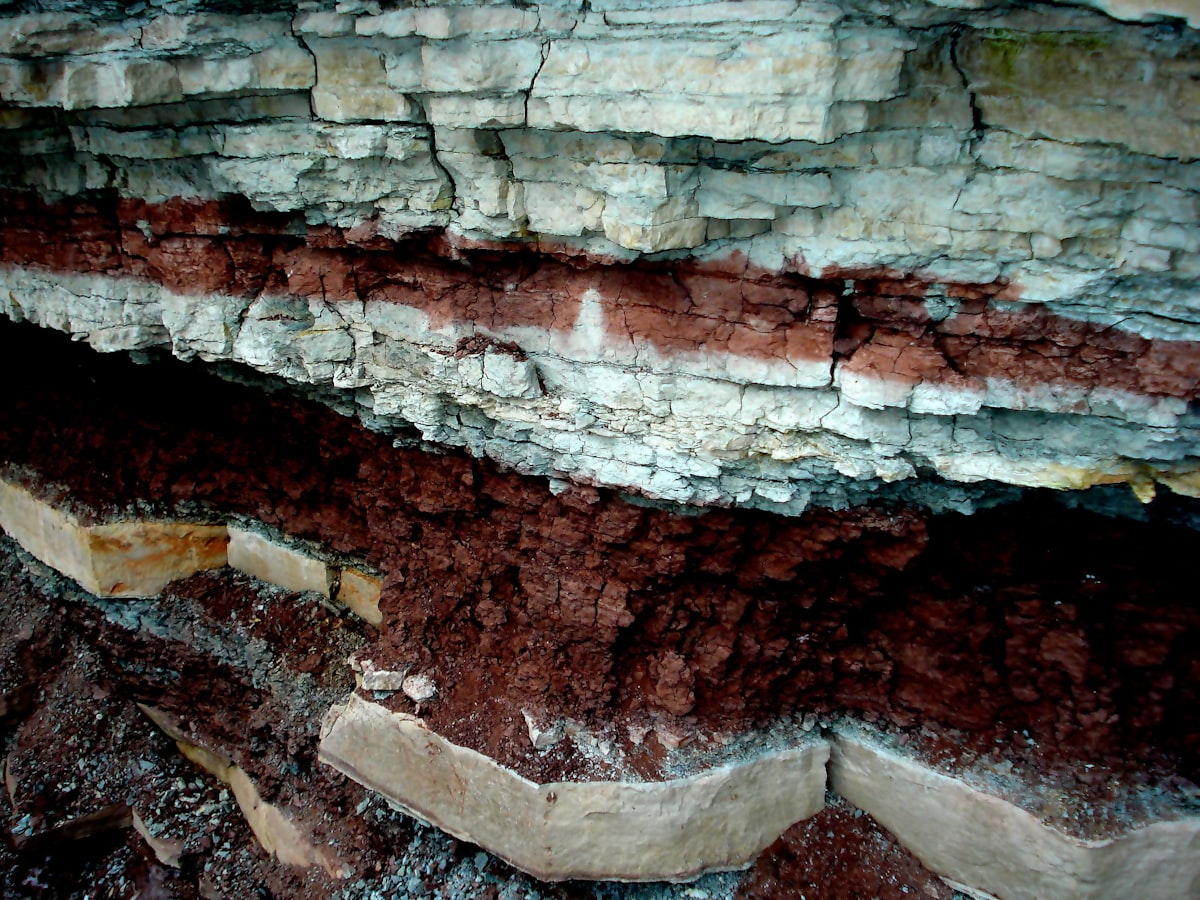
Chicxulub's hydrothermal system is quietly being reassessed. But new evidence now suggests the site stayed thermally active for millions of years, a discovery that challenges established timelines regarding how large impact structures cool down. Researchers drilled one kilometre into the crater to extract rock cores, and they identified a significantly extended period of hydrothermal activity that deviates from previous models. It's a big shift.
Thermal persistence after impact
The asteroid struck 66 million years ago. It carried enough force to melt 10,000 cubic kilometres of rock, and this event did more than alter the immediate climate,it fundamentally reshaped the subsurface, creating a porous, hot water environment within the crater. So fluids circulated far longer than the originally projected two million years. It's a surprising outcome.
The rock samples revealed a key detail: measurements of potassium decay into argon gas gave the temporal evidence needed to revise existing models of the impact’s aftermath. But that wasn't all. The results showed hydrothermal activity persisting from the time of the impact until roughly 58 million years ago, which opened up an eight million year window of internal heat we'd never fully accounted for before. It's a long time.
Microbial life in the depths
This environment offered a sustained, protected habitat for microscopic life. But sulphur isotopes found in the extracted cores confirm that microbial organisms were able to recover quickly following the initial catastrophe. That's important. It suggests that large impact sites function as long-term ecological reservoirs rather than just zones of total destruction, providing a haven for life to rebound and persist even after a cataclysmic event.
- The impact crater reaches depths of deformation at least 35 kilometres below the surface.
- The asteroid diameter is estimated to be 15 kilometres.
- Hydrothermal systems formed through the interaction of melted rock and seawater.
- Microbial recovery occurred rapidly in these chemically rich, warm pockets.
Reframing planetary habitability
Annemarie Pickersgill of the University of Glasgow highlights the shift in understanding regarding these environments. But the duration of heat keeping water circulating through the structure was previously an unknown variable, and she notes this gap in knowledge had left scientists guessing about the stability of such settings. That's changed now. The revised timeline suggests a more stable, long term home for early life.
The Chicxulub impact was big enough to cause deformation at least 35 kilometres under the surface of the Earth, detectable using geophysical surveys.
Strategic implications for planetary science
But it's clear these findings reshape astrobiology. If large impacts create sustained hydrothermal habitats, then the search for life on other worlds must account for these subsurface structures that maintain conditions suitable for life long after the surface has returned to a state of equilibrium. They're not merely scars on a surface. They're chemical reactors.
Future directions in subsurface research
Chris Kirkland at Curtin University backs this reading. It's a view that sees these sites as chemically rich settings for early life, offering a nurturing environment where primitive organisms could have taken hold. But the record isn't entirely clear. Even so, the evidence suggests a consistent, long duration of hydrothermal circulation, a pattern that holds up across multiple lines of inquiry. And modeling these systems with greater accuracy will define future studies of impact sites on Earth and beyond. The focus stays on how these subsurface systems shape the broader trajectory of biological development across various planetary environments.
Frequently Asked Questions
What new evidence about the Chicxulub hydrothermal system challenges previous models?
Researchers drilled one kilometre into the crater and extracted rock cores, which showed hydrothermal activity persisted from the impact until roughly 58 million years ago. This opens up an eight million year window of internal heat, far longer than the originally projected two million years.
Why does the extended duration of the Chicxulub hydrothermal system matter for microbial life?
The sustained hydrothermal environment offered a protected habitat for microscopic life, allowing microbial organisms to recover quickly after the initial catastrophe. This suggests large impact sites function as long-term ecological reservoirs, providing a haven for life to rebound and persist.
How did researchers determine the timeline of hydrothermal activity at Chicxulub?
The rock samples revealed a key detail: measurements of potassium decay into argon gas gave the temporal evidence needed to revise existing models. This method showed hydrothermal activity persisting from the time of the impact until roughly 58 million years ago.
When did the Chicxulub impact occur, and how long did the hydrothermal system remain active?
The asteroid struck 66 million years ago. The hydrothermal system remained active from the time of the impact until roughly 58 million years ago, lasting about eight million years.
Who is Annemarie Pickersgill and what does she highlight about the Chicxulub hydrothermal system?
Annemarie Pickersgill of the University of Glasgow highlights the shift in understanding regarding these environments. She notes that the duration of heat keeping water circulating through the structure was previously an unknown variable, leaving scientists guessing about the stability of such settings.

Eva Koch writes about scientific research and the people behind it, covering the studies and breakthroughs shaping our understanding of the world. She values curiosity and careful evidence in equal measure.
💬 Comments (0)
No comments yet. Be the first!